Welcome
About Me
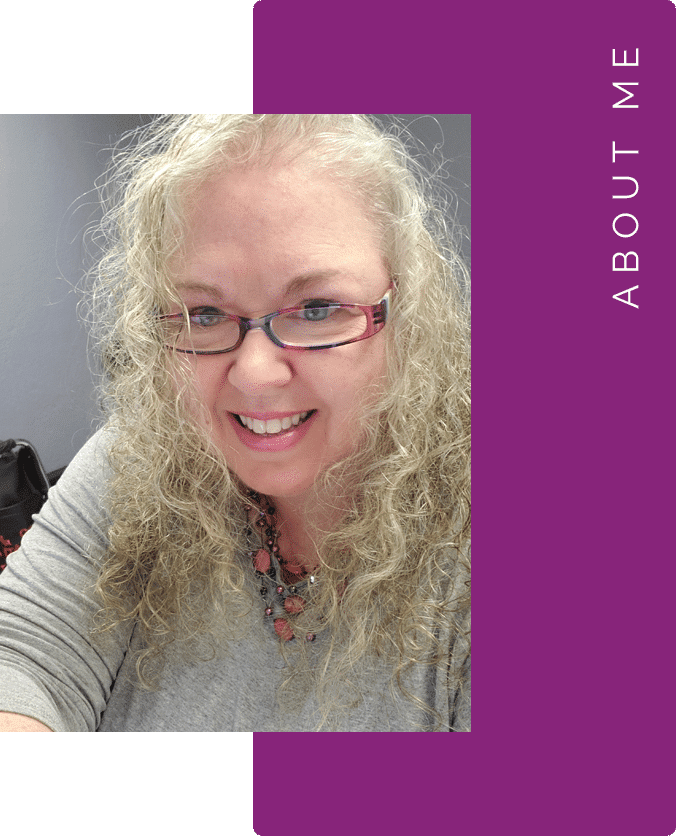
Rhonda Lucas
My name is Rhonda Lucas and I am the founder of The Herbal Clinic and Academy based in Toronto and Sarnia, Ontario. I am a Clinical Herbalist providing consultations and plant-based therapies as an alternative or adjunct to modern medicinal treatments. I see clients with a variety of acute or chronic problems and create personalized care plans for each individual.
I completed a two-year course in Herbal Medicine at an institution accredited with the Ontario Herbalist Association. But I am more than that: I am also a critical care Nurse, and I’ve worked in Intensive Care Units in three different countries for over 27 years. My other professional credentials include a Master’s in Education and a certification in Sports Nutrition.
My years of Nursing have provided me with an expertise in the human body and its various less-than-optimal states, allowing me to more thoroughly understand the reason for a client’s issues; this allows me to individualize your care plan. It also sets me apart from other herbalists by allowing me to take the best of both worlds into my practice. In terms of what this means for you, I am better able to recognize when herbal remedies will not be enough and when you need to see a doctor.
I collaborate with a variety of other professionals as needed such as vitamin and supplement specialists, homeopaths, and physiotherapists in order to ensure you are getting the best recommendations. I offer in-person and online consultations and can ship your remedies within a few days.
Book a consultation today and see firsthand how herbalism can help you reach your health goals.
About The Clinic
The Herbal Clinic and Academy provides Complementary and Alternative Medicine (CAM) options based on Western Herbal Medicine principles. We are currently based in downtown Toronto, serving the global population wherever you are located. At present, services are offered online only.
Our products are made in-house and our herbs are sourced from reputable companies. For any botanical therapies that require vulnerable or endangered species, we do not use plants harvested from the wild; instead, we use ethically cultivated plants.
Consultations are required in order for me to personalize botanical therapies addressing your health concerns. You may be asked to fill out a consent to treatment as well as an intake form for me to review before we meet, so that the consultation time is used as effectively as possible. Services are offered in English.
Depending upon your healthcare needs, I might require some time after the appointment to plan your regimen. If this is the case, I will follow up with a phone call to you, which will be free of charge. The clinic also offers a few non-personalized products for sale that are suitable for everyone to use.
Remedies are shipped globally via the postal service, but please note that some countries will not allow the importation of herbal medicines.
I collaborate with a variety of other professionals as needed, such as vitamin and supplement specialists, homeopaths, and physiotherapists in order to ensure you are getting the best advice.
While botanical therapies are effective for many conditions, there may be times when I feel herbal therapy is not right for you, and I may recommend you seek medical attention instead.
You can book appointments using the website form, or via email or phone.
ABOUT WESTERN HERBAL MEDICINE
40% of the pharmaceuticals on the market today are derived from plants
that have been in use for centuries
Herbal medicine is the oldest and most continuously used form of medicine in the world. People from every corner of the planet have their own specific remedies based on the plants grown in their region. Today’s modern medicine began with herbal practices passed down over centuries. The earliest recorded use of plants reaches as far back as 60,000 BCE, with Yarrow, Chamomile and Poplar found in dental plaque of Neanderthals – plants with no significant nutritional value, but known to have been used as medicine.
We also know that other ancient botanical medicine systems have existed in every part of the world for at least 8000 years, such as Ayurveda, Traditional Chinese Medicine, Middle Eastern (Islamic) Medicine, as well as systems from the South Pacific (Māori, Aboriginal, Pacific Islanders), the Mayans, North American Indigenous cultures, and African tribes.
The first European medical school was started in Salerno, Italy, based on the botanical models of Hippocrates, Galen, and other herbalists. Originally, teaching and texts were in Latin and Greek, so most physicians were either monks or wealthy white males from important families. During the 15th to 17th centuries many of the herbal texts were translated to English, allowing the healing arts to reach the masses. This upset the wealthy elite, who then decided to take Medicine down a dark path of bleeding, purging and poisons (Mercury was often used as a healing remedy, killing thousands), in an effort to denounce plant medicine and return the healing arts to the elite.
By the 1800’s, Europeans and the settlers in North America were tiring of modern medicine’s ‘treatments’ and, once again, embraced the healing power of plants. Over time, as our knowledge of chemistry and botany grew, science found ways to isolate the active constituents in plants and discard what was considered the unimportant components. We now had a way of treating specific problems in isolation, as well as the ability to dose with more precision. However, in doing so, we lost a lot of the helpful benefits available when you use the entire plant.
Nowadays we can take a pill that will help us get rid of the pain when we sprain our ankle, but we have no medicine that will help the tissues regenerate and heal themselves. We can take medicine that will increase or decrease the production of hormones in our adrenal or thyroid glands, but we have no medicine that nourishes the glands and helps them work better on their own. We can take a pill that cuts acid production in our stomach so we don’t get heartburn, but we have no medicine that makes the GI system function more efficiently as a whole. We can take pills that help our heart function after it’s been damaged, but we have no medicine that can soothe and repair the damaged tissue. We can get rid of the decongestion that comes with a cold, but ideally we should have boosted our immune system to keep pathogens from invading in the first place.
But we have herbs that can do all those things, usually with a lot fewer side effects, too!
The pharmaceutical industry is finally starting to recognize the power of plant medicine – our antinausea medicines now contain Ginger. Our cough medicines now contain Elderberry or Wild Cherry. We promote Echinacea as an immune booster. Herbal Medicine is coming into its own!
There will always be a time and a place for the knowledge of modern medicine, but there is a place for botanical therapies, too.
Why Choose Us?
Personalized Remedies

Online or In-Person Consultation