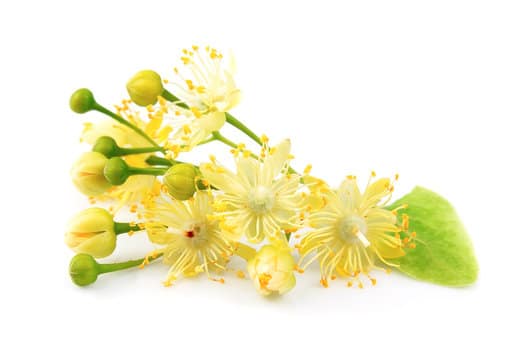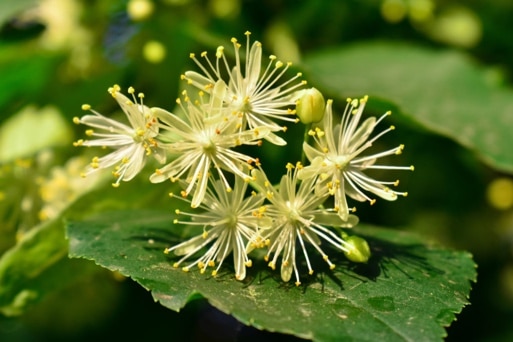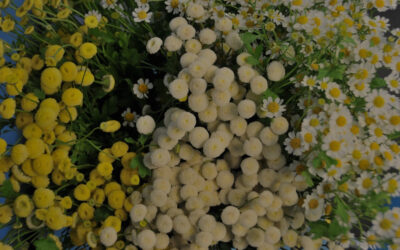

PARTS USED:
- Dried flower
USES:
Anxiolytic, including anxiety causing upset stomach, tachycardia, palpitations, hysteria; helps calm the mind – good for adults and children (can be infused into bathwater) – does not slow motor or cognitive responses
Good for mild depression
Headaches – tension, migraines, etc.
Dizziness
Fever reduction
Cardiac tonic
Prevents atherosclerosis; can be used for hypertension related to atherosclerosis; otherwise, not a strong hypotensive on its own
Dehydration, particularly related to overheating (fever, heatstroke, etc.)
Colds, flus (great for kids)
GI symptoms:
- Relieves gastric irritation
- Gastritis
- Constipation
Respiratory irritation – moistens mucus membranes, soothes respiratory tract
Reduces histamine production
Antiemetic for stomach issues (gas, constipation, etc.)
Antispasmodic – respiratory, GI system, female-related cramping (preserve the volatile oils for the best antispasmodic effects)
PREPARATION:
- Tea
- Tincture
SIDE EFFECTS AND TOXICITY:
- If the flowers used for making teas are too old, they can sometimes produce symptoms of a mild narcotic intoxication
- Parkinson’s medications
MISCELLANEOUS:
- Linden tea is commonly used in parts of Europe and honey from the flowers is considered the best flavoured and most valuable in the world
- The King’s Dispensatory (1898) lists Tilia as an effective remedy for nervousness, convulsions and epilepsy
- Can be added to teas and tinctures to mask unpleasant or bitter tastes – Tilia is sweet and slightly honey-flavoured