
PARTS USED:
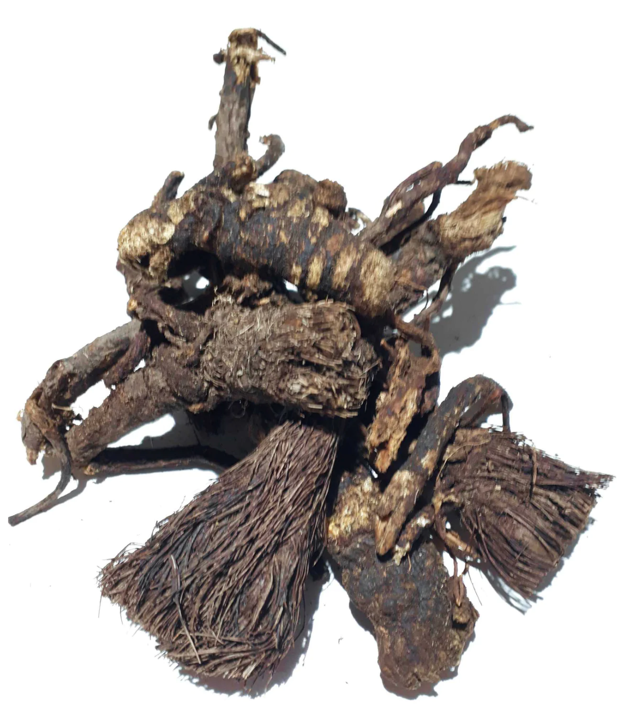
- Roots
USES:
Respiratory and ENT (Ears, Nose, Throat):
- Acute or chronic respiratory viruses and infections – Catarrh, colds, flu, bronchial pneumonia
- Asthma, COPD
- Relaxing Expectorant
- Breaks up phlegm
- Earaches
- Sinus congestion
- Sore throats (numbs)
- Improves gas exchange in the lungs
- Altitude sickness
- GI:
- Digestive aid
- Anti-ulcer, especially for those that are alcohol-induced
- Can be used to as an appetite stimulant
Immune/Infectious Disease:
- Antibacterial
- Diaphoretic/Febrifuge
- External wounds, insect, spider and scorpion bites/stings
- Skin infections
- Has been used to treat herpes and HIV
- Helps modulate antibiotic treatment against multi-drug-resistant Staph aureus
Circulatory Stimulant
- Poor perfusion/ischemia
- Varicose veins
DOSAGE & PREPARATION:
- Decoction
- Syrup
- Tincture
- Compresses and plasters from the decoction
- Poultice from smashed root placed directly on wound
- Smudges (smoke inhalation/vaporizer/diffuser)
* Bitter tasting; mix with honey, juice or other teas
SIDE EFFECTS AND TOXICITY:
- Do not use Osha Root if you are pregnant or breastfeeding, as it could possibly trigger menstruation and miscarriage, and it shows up in milk
- High doses taken over longer periods may tax the liver and kidneys
MISCELLANEOUS:
- Considered at-risk in the wild;
ensure your roots are ethically
cultivated
- Known as “Bear Root” – the root resembles a furry Bear’s claw; as well, bears have been observed digging and eating the roots after emerging from hibernation, potentially to stimulate sluggish systems
- The Hopi and Navajo associated it with protection and used it as a good luck charm
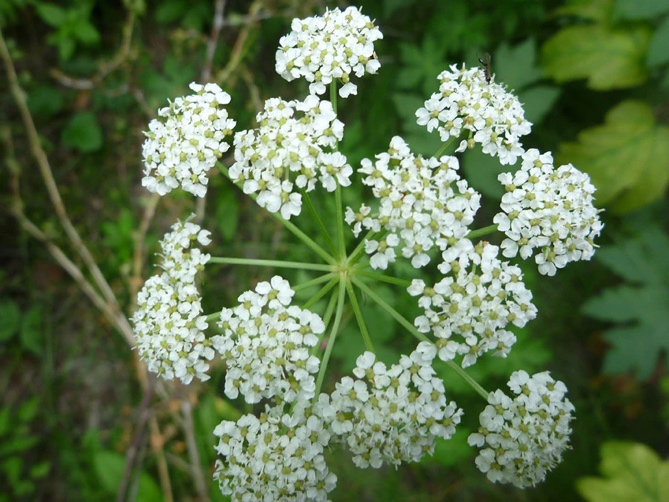
- The hollow stems of Ligusticum have been smoked to break the nicotine habit