
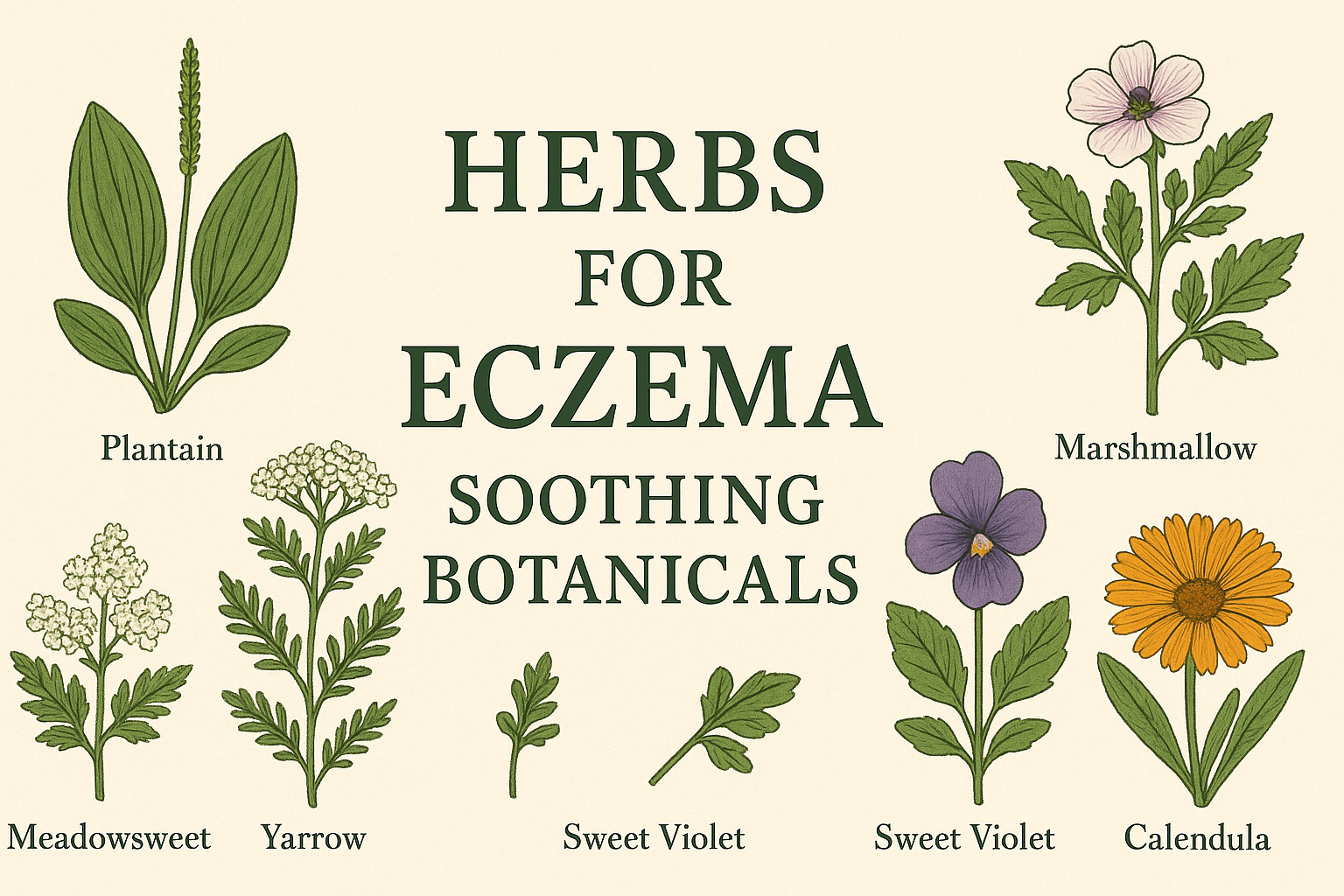

Eczema is one of the most common skin conditions that affect people of all ages. Characterized by itching, redness, dryness, and inflammation, these conditions can cause both physical discomfort and emotional frustration. While conventional treatments such as corticosteroid creams may bring temporary relief, many individuals seek gentler, long-term approaches to manage their symptoms. That’s where herbal medicine offers profound support.
Nature provides a wealth of botanicals with anti-inflammatory, soothing, and skin-repairing properties. In this article, we explore several key herbs that have traditionally been used to calm irritation, nourish the skin barrier, and promote overall healing for eczema.
Understanding Eczema and Dermatitis
Eczema (also known as atopic dermatitis) and dermatitis both refer to skin inflammation. The difference lies mainly in the cause— modern research suggests that eczema involves an overactive immune response combined with a weakened skin barrier, while dermatitis may be triggered by irritants such as chemicals, soaps, or allergens.
Common symptoms include:
- Dry, cracked, or scaly skin
- Intense itching
- Redness and swelling
- Oozing or crusting lesions during flare-ups
Herbal remedies can help by addressing both inflammation and the skin’s ability to retain moisture.
-
Plantago major (Plantain Leaf)
Plantain leaf is one of nature’s most underrated skin healers. This common weed, often found in gardens and along sidewalks, is rich in allantoin and mucilage—compounds known for their soothing and regenerative effects.
How it helps:
- Allantoin encourages the growth of new skin tissue and speeds up healing.
- The mucilage content provides a protective coating that locks in moisture, easing itching and dryness.
- Its mild anti-inflammatory and antimicrobial properties help prevent secondary infections that can occur from scratching.
How to use:
Fresh plantain leaves can be crushed and applied as a poultice on inflamed skin, or the dried leaves can be used in infusions, creams, or herbal salves.
-
Althaea officinalis (Marshmallow Root)
Marshmallow root is known for its soothing mucilage, which acts as a natural emollient for dry and irritated skin. It forms a protective film that calms itching, reduces redness, and keeps the skin hydrated.
How it helps:
- Provides deep moisturization without clogging pores.
- Reduces inflammation through its polysaccharide compounds.
- Calms burning or stinging sensations associated with eczema flare-ups.
How to use:
A cold decoction of marshmallow root can be used as a gentle wash for irritated areas, or it can be incorporated into creams and lotions for daily use.
-
Achillea millefolium (Yarrow)
Yarrow is one of the most versatile herbs for skin health. Its name, derived from the Greek hero Achilles, highlights its ancient use in healing wounds and soothing inflammation.
How it helps:
- Possesses anti-inflammatory and astringent properties that reduce redness and swelling.
- Helps tone and strengthen skin tissues, promoting faster recovery.
- Offers mild antimicrobial benefits to protect compromised skin.
How to use:
Yarrow can be infused in oil to create a topical salve or used as a compress by steeping dried flowers in warm water and applying the cooled liquid to affected areas.
-
Viola odorata (Sweet Violet)
Sweet violet is a gentle yet powerful herb often used in skincare for its soothing, cooling, and anti-inflammatory qualities. It’s beneficial for eczema, where itching and dryness dominate.
How it helps:
- Moisturizes and softens rough, scaly skin.
- Reduces inflammation and irritation.
- Its mild lymphatic stimulant action may help the body clear metabolic waste products contributing to flare-ups.
How to use:
Violet leaves can be used in herbal teas, compresses, or creams. An infused oil of violet also makes a luxurious base for skin care formulations.
-
Filipendula ulmaria (Meadowsweet)
Meadowsweet contains natural salicylates—compounds similar to aspirin—that relieve inflammation and itching. Its soothing nature makes it an ideal addition to eczema formulations.
How it helps:
- Reduces inflammation and itching.
- Provides mild antiseptic benefits.
- Helps balance oily or combination skin types prone to dermatitis.
How to use:
Meadowsweet can be used as a mild tea or topical infusion. In creams or balms, it complements demulcent herbs like marshmallow or plantain.
-
Calendula officinalis (Marigold)
Calendula is a cornerstone herb for eczema and dermatitis care. It’s known for its bright orange flowers and remarkable ability to speed up wound healing.
How it helps:
- Stimulates new tissue growth and collagen production.
- Reduces redness and soothes irritation.
- Provides strong anti-inflammatory and antimicrobial benefits.
How to use:
Calendula-infused oil is one of the best bases for eczema balms. It can also be brewed as a gentle wash for inflamed or oozing lesions.
Creating Herbal Blends for Eczema Relief
The most effective approach often involves combining multiple herbs to address different aspects of eczema—hydration, inflammation, and repair. Here’s an example of a gentle, skin-calming blend:
Soothing Herbal Wash:
- 1 tablespoon dried Plantago major
- 1 tablespoon Althaea officinalis root
- 1 tablespoon Viola odorata leaves
Steep in 2 cups of hot water for 20 minutes. Strain, allow to cool, and use the liquid to rinse affected areas or apply with a clean cloth as a compress.
For chronic eczema, topical applications can be supported by internal remedies that strengthen the immune system and liver function, both of which influence skin health. For cracked, open sores, consider adding an antimicrobial.
Lifestyle and Holistic Support
While herbs play a vital role in managing eczema, they are most effective when combined with lifestyle changes:
- Avoid harsh soaps and detergents that strip the skin barrier.
- Moisturize regularly with natural oils such as jojoba, shea butter, or herbal-infused oils.
- Reduce stress, as emotional tension often triggers flare-ups.
- Adopt an anti-inflammatory diet rich in omega-3 fatty acids, green vegetables, and probiotics.
Consistency is key—herbal treatments work gradually, supporting the body’s natural healing rhythm.
The Power of Herbal Healing
Eczema can be persistent, but herbal medicine offers a safe and holistic approach to healthier skin. Herbs such as Plantago major, Althaea officinalis, Achillea millefolium, and Viola odorata work in harmony to calm inflammation, restore hydration, and strengthen the skin barrier.
These botanicals remind us that true healing often begins with nature—gentle, consistent, and deeply restorative. By embracing herbal remedies, individuals can nurture their skin with the same care and wisdom that generations before us trusted for natural relief.
0 Comments