
PARTS USED:
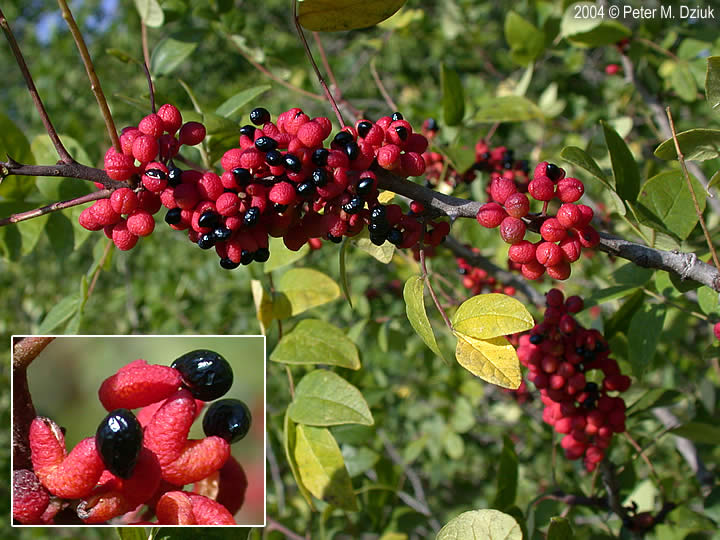
- Bark, berry
USES:
May be used in similar ways to capsicum although the action is slower
- Circulatory issues – varicose veins
- Venous dilation
- Improves arterial and capillary circulation
- Increases vascular tone
- Improves blood flow throughout body
Lymphatic system stimulant
Restores sensitivity to injured nerves
Mild antifungal properties
Specific for rheumatism
- Helps improve blood flow to joints
- Inhibits prostaglandin activity
Nerve-related pain
- Toothache
- Childbirth
- Sore throat
- Tonsillitis
- Topical anesthetic
Topically for arthritis, rheumatism, eczema
- Rubefacient action – increasing bloodflow
Sickle-cell anemia – certain species have shown anti-sickling compounds, primarily the Zanthoxylums grown in Africa
Cancer
- Colon, lung, pancreatic, prostate, leukemia (in vitro testing shows positive outcomes; as yet unreplicated in humans
PREPARATION:
- Tea
- Tincture
SIDE EFFECTS AND TOXICITY:
- None
MISCELLANEOUS:
- Has been used as food and wood oils
- The twigs of the prickly ash shrub/tree have a strong smell mimicking that of lemon peel