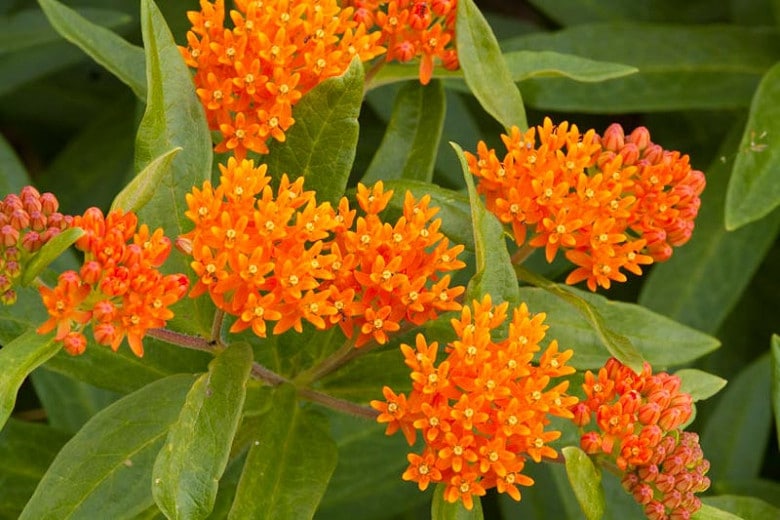
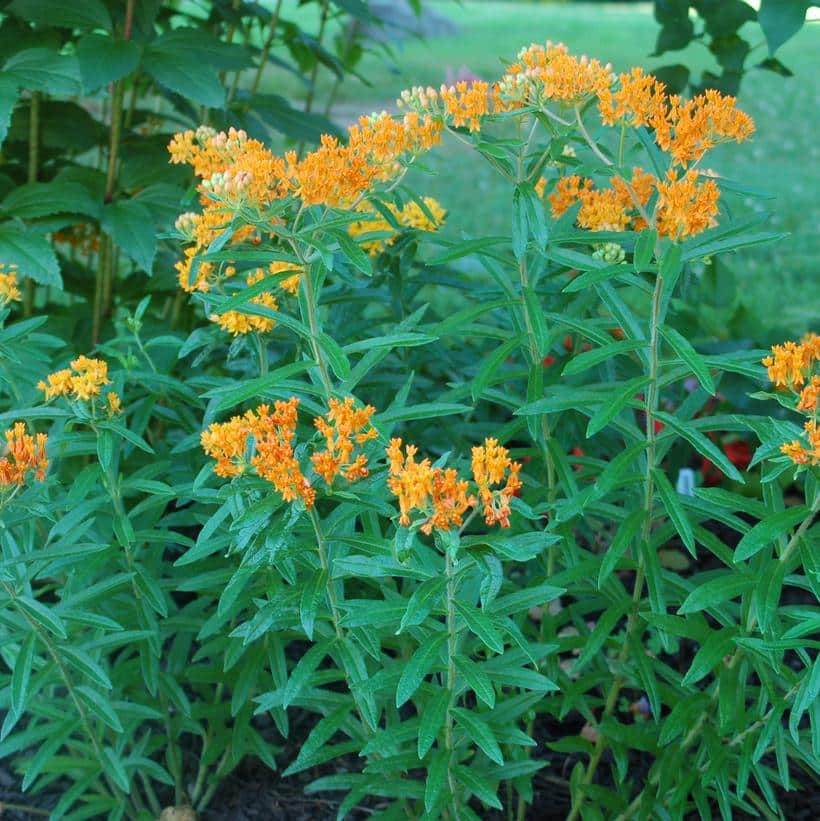
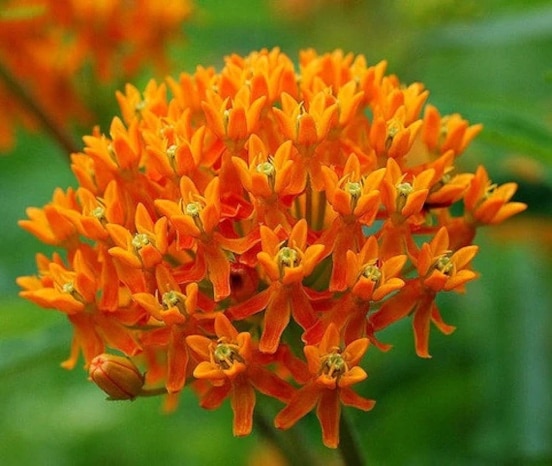
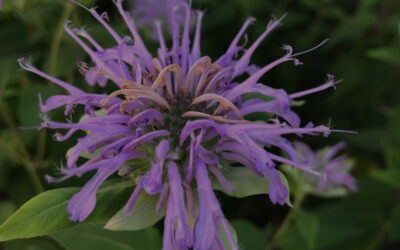
Asclepias tuberosa – Pleurisy Root, Butterfly Weed

Written by admin

May 14, 2023

PARTS USED:

  • Rhizome

USES:

Respiratory:
  • Effective against respiratory infections
  • Reduces inflammation
  • Pleurisy
  • Catarrh
  • Promotes expectoration
  • General tonic effect
  • May be effective against TB
  • Asthma, Bronchitis, Influenza, colds, etc.
  • Pneumonia, pneumonitis
  • Scarlet fever
  • Chewed or taken as a decoction for sore throat
GI:
  • Anti-diarrheal
  • Typhoid
  • Flatulent colic
  • Digestion issues – carminative properties
Mild diuretic One of the best diaphoretics Stimulates uterine contractions and exhibits estrogenic effects Topically to treat wounds Antispasmodic Anti-inflammatory – good for rheumatism Pain Relief Topically: Swellings, bruises, wounds, ulcers

PREPARATION:

  • Infusion
  • Decoction
  • Tincture
  • Note: In large doses it can act like an emetic and purgative. Stick to regular dosing.

SIDE EFFECTS AND TOXICITY:

  • Increases risk of cardiac glycoside toxicity
  • Large doses can cause diarrhea and vomiting
  • Avoid in pregnancy except under supervision of herbalist
  • Avoid while breastfeeding
  • Caution with Latex allergies

MISCELLANEOUS:

  • Most Asclepias species secrete a milky white latex when damaged, but Asclepias tuberosa almost entirely lacks this latex
  • Fibers of this plant can be used to make fabric or rope
  • One of the most important North American indigenous remedies

You May Also Like…

Ligusticum porteri – OSHA

Ligusticum porteri – OSHA

PARTS USED: Roots USES: Respiratory and ENT (Ears, Nose, Throat):  Acute or chronic respiratory viruses and infections - Catarrh, colds, flu, bronchial pneumonia...

read more
Matricaria recutita – Chamomile

Matricaria recutita – Chamomile

PARTS USED: Flower heads USES: Nervine For all types of anxiety, restlessness, or stress - relaxes and tones the nervous system Induces sleep Especially valuable when...

read more