
PARTS USED:
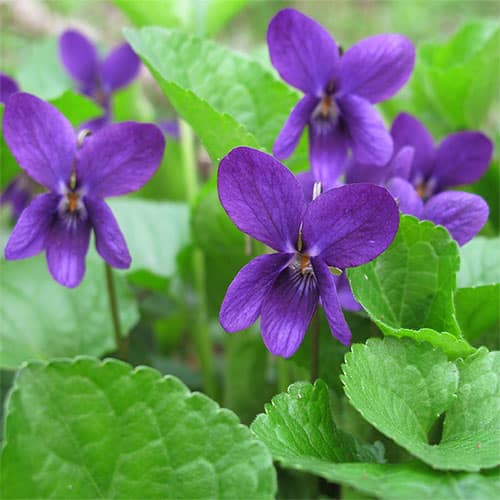
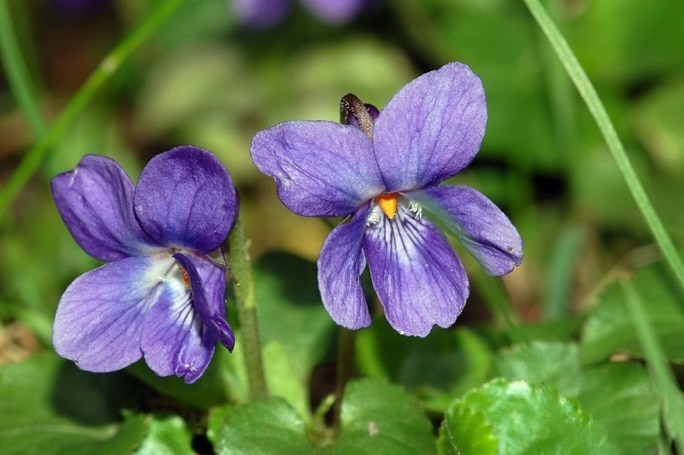
- Leaf, flower, seeds, root
USES:
Respiratory – Especially children
- Strong expectorant
- Cough, particularly asthma and bronchitis-related
- Upper respiratory catarrh
- Whooping cough
- Good as a chest plaster
- Pleurisy (anti-inflammatory)
Integumentary:
- Eczema
- Acne
- Renal and hepatic-related skin issues
- Eye puffiness
- Abrasions
- Insect bites
- Varicose veins
- Hemorrhoids
UTI
Lymphatic stimulant
Mild laxative (leaves); strong laxative (root)
Insomnia
Autoimmune disorders – inhibits overactive immune function
Pain
- Headache, migraines, sore throat
Antimicrobial
- Antiseptic
- Antifungal
Long-term treatment for Rheumatism
Diuretic
Antihypertensive
Anti-inflammatory
Cholesterol reduction
Leaves are high in Vitamins A and C, Calcium, Magnesium, and Carotenes
Antioxidant
PREPARATION:
- Infusion
- Tincture
- Syrup
- Topical compress
- Bath additive
- Salve/Oil
- Mouthwash/gargle
- Aromatherapy for respiratory issues
SIDE EFFECTS AND TOXICITY:
- Do not use if on anticoagulants
MISCELLANEOUS:
- Used in many traditional medicine systems in the world
- Used in many over-the-counter cough suppressants in Germany
- Historically, was worn at funerals – thought to assist in comforting and strengthening the heart in times of despair