
PARTS USED:
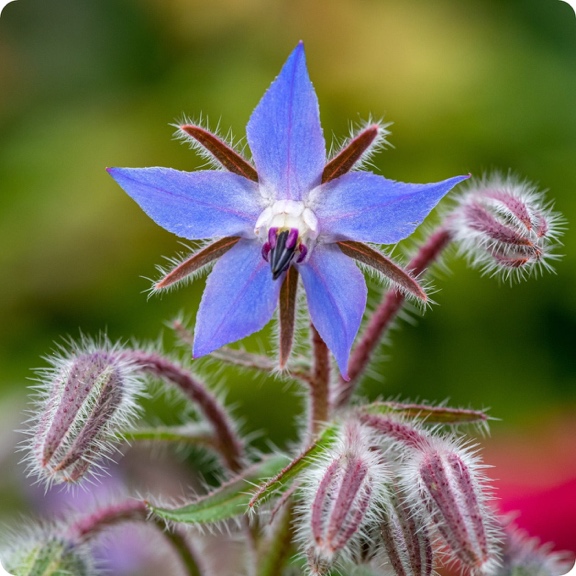
- Leaf
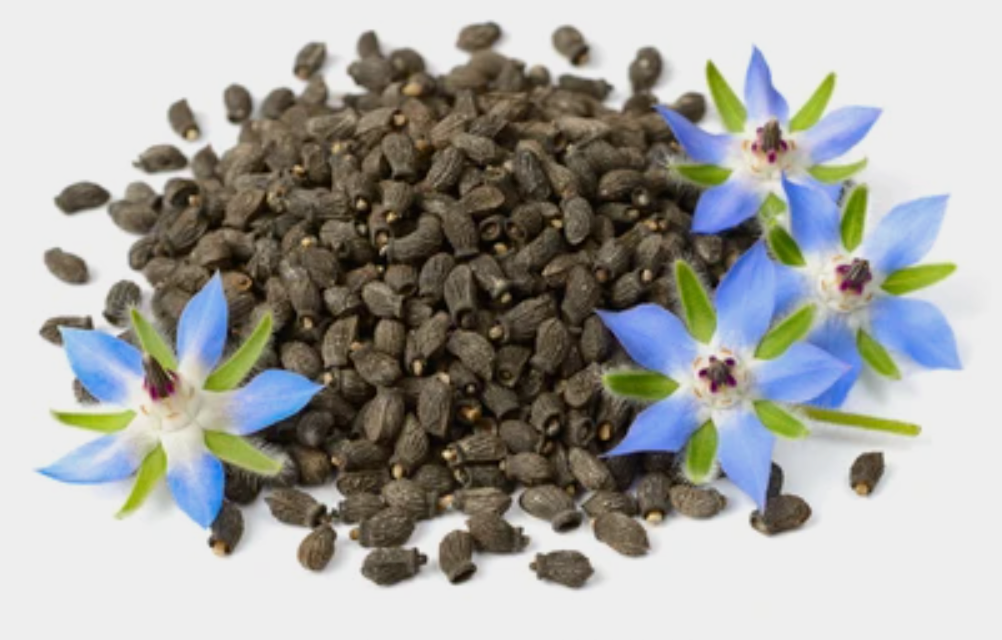
- Flowers
- Seeds
USES:
Nervous System
- Restores vitality after illness recovery
- Soothing effect on respiratory tissues
- Bronchitis, Asthma, coughs
- Relaxing Nervine
- Great for the stressed and rundown
- Calms anxiety
- Lifts mood
- Sedative
- Insomnia
- Dizziness
- ADHD
- Some countries add Borago to infant formula to promote neurodevelopment in preterm infants
Cardiovascular
- Heart palpitations due to hyperthyroidism
- Antiplatelet
- Hypotensive
Respiratory
- URTI’s
- Antispasmodic – acute asthma; bronchitis; pleurisy
- Soothing remedy (mucilage)
- Decongestant
- Anti-inflammatory to respiratory tissues
GI
- Promotes digestion
- Relieves stomach-aches
- Gastritis, IBS
- Heals mucous membranes of mouth and throat
- Effective against Helicobacter pylori – heals ulcers
GU
- Diuretic – cleanses the GU system and stimulates the kidneys
- Helps flush out toxins and inflammation-causing substances
MS
- Arthritic conditions
- Moderate reduction in pain, stiffness and joint tenderness (Studies) – leaf or seed
Integumentary
- Reduces dryness and skin irritations
- Eczema (adult and child), psoriasis
- Cradle cap
- Dermatitis
- Pimples, acne
- Nail fungus
- Herpes Simplex I
- Leaf poultice relieves insect bites and stings
- Anti-inflammatory – blisters, rashes
- Eye inflammation
- Skin hydration and repair – restores intracellular moisture barrier
- Powerfully anti-aging
Antioxidant
- Reduces free radicals
- Inhibits skin aging
Immune
- Immune boosting
- The GLA helps activate the immune system and fight off joint issues
- Antioxidant
- Diaphoretic – the tea is known to be antipyretic
Endocrine
- Adrenal restorative
- Revives the adrenals after a medical treatment with cortisones or steroids
- Adrenal tonic
- Overall general gland stimulant
Reproductive
- Female Uses:
- The oil softens the cervix
- Galactagogue
- Postpartum exhaustion
- Reduces mood swings and depression associated with PMS and menopause
- Adrenal support for peri-menopause and menopause
- Reduces hot flashes
- Reduces insomnia
- Reduces irritability
- Mastalgia related to hormone cycle
Oncology
- Tumoricidal and stops the growth of cancers – primarily as a nutraceutical at this time; further studies are lacking
PREPARATION:
- Infusion
- Tincture
- Seed oil
Notes:
* Young leaves have been shown to contain fewer PA’s than older ones
SIDE EFFECTS AND TOXICITY:
- Avoid with anticoagulants and other antiplatelet herbs/meds
- Avoid in pregnancy
- Some say avoid in lactation but the plant is a galactagogue so it is used for milk production
- Liver issues:
- The leaves contain PA’s that may cause liver toxicity – do not take in doses larger than the recommended amount and take breaks, ie 4 weeks on, 1 off; has been safely used up to 12 weeks at a time
- People with liver issues should avoid the leaves or flowers, but there are no PA’s in the seed oil
- Hepatotoxicity may be increased if used with CYP3A4 inducers, such as Rifampin, Carbamazepine, and Phenytoin.
- Avoid if using anabolic steroids, phenothiazines or ‘-azoles’ (antifungals)
- In oral form (tea or tincture), GI side effects may occur – bloating, belching, diarrhea, nausea and vomiting.
- Topical hypersensitivity may occur
- See oil can lower seizure threshold – may need to increase anticonvulsant doses
- Borage Seed Oil can lower the seizure threshold – avoid if client is on anticonvulsants
MISCELLANEOUS:
- Flowers are commonly used as a garnish or decoration in cocktails and desserts
- Unclear where the name comes from:
- The Celtic “borrach” meaning courage, and it is said to bring courage to the heart and drive away sadness
- The Italian “borra” for hair or wool, due to its hairy stems and leaves
- The growing plant is known to repel insects – companion-plant with tomatoes especially, and with any plants that grasshoppers are attracted to – they love Borage
- Roman soldiers would mix borage tea with wine before a battle, to fortify themselves
- Can be used in place of Glycyrrhiza for those who don’t like a licorice taste, or for those with HTN
- Old wives’ tales state that if a woman slipped a bit of borage into a man’s drink it would give him the courage to propose
- Dioscorides used Borage to ‘comfort the heart, purge melancholy, and quiet the lunatic person.’
- Flower essence has been used to help provide courage with decision-making
- Before the invention of ice, Borage was used in a cooling drink called a “cool tankard” or “claret cup” consisting of wine, water, lemon, sugar and Borage leaves and flowers.
- For irritated throats, sucking on the flowers releases mucilage