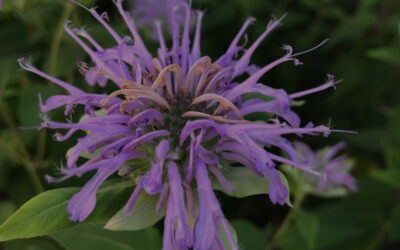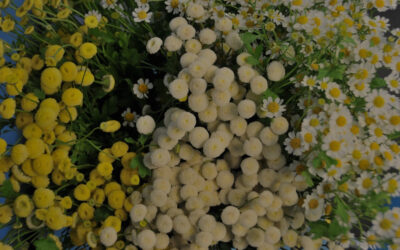

PARTS USED:
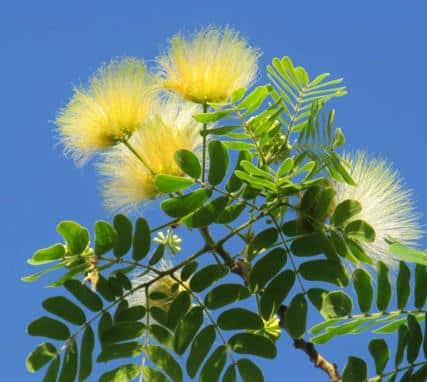
- Flowers
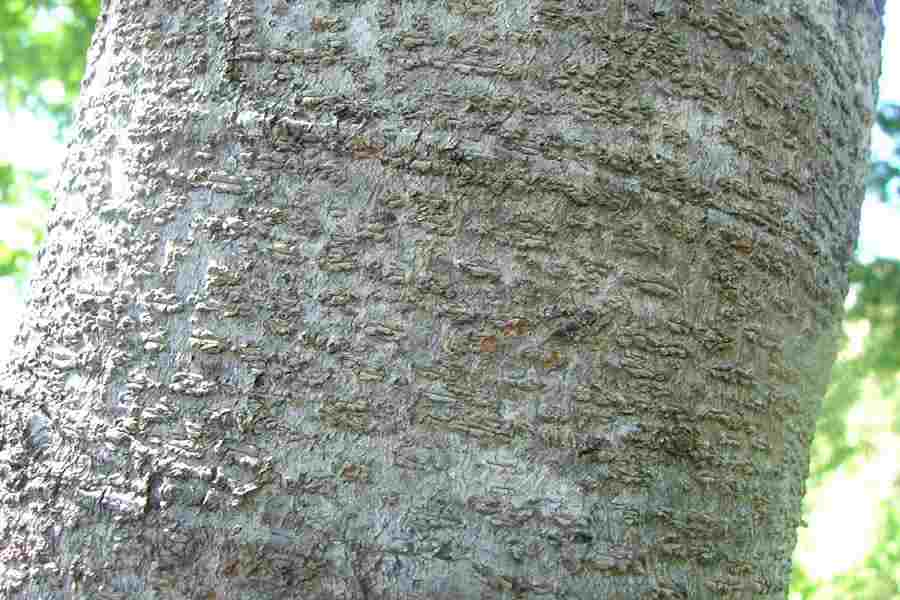
- Stem bark
USES:
Often referred to as The Happiness Tree, Albizia is said to possess many medicinal properties and has been used to treat various conditions:
Flowers are said to be more uplifting, while the bark is said to be more sedating and calming
Supports the balance between stimulating and relaxing
Used for Depression:
- Said to be better at treating depression than St. John’s Wort
- Doesn’t mask the issues like anti-depressants; allows a person to rest and relax enough to feel their physical and emotional sensations, and allow a glimpse into the underlying issues
- Improves mood by rebalancing hormones in the body and soothing the nervous system
- Enhances nerve transmission
Helps a person manage irritability and anger due to constrained emotions – loss of locus of control
Good for irrational anger and thoughts, suicidal tendencies. Has a strong impact on the hormonal and nervous systems in the human body
Used together, the flower and bark are a balanced remedy for mood stabilization
Allergies and Respiratory Issues:
- Eliminates inflammation in sinuses and sinus tracts, as well as the bronchial tissue
- Effective against asthma (including acute attacks) and bronchitis
- Reduces the effects of allergic antibodies – lessens the severity of allergies
- Nasal congestion
Stress: Helps reset cortisol levels and provides support for the adrenal glands
Anxiety, sedation, insomnia:
- Contains a mild sedative effect that helps with stress and anxiety
- Effective for insomnia, sedation – affects serotonin, GABA, and dopamine pathways
- As a tea it promotes long-lasting, restful sleep
Cognitive support:
- May be effective for amnesia
- Improves memory
Antimicrobial against certain bacteria, fungi, and parasites
Anti-tumour properties against certain cancers
Anti-inflammatory:
- Gout, arthritis, etc – when used externally
- Pain relief
Antioxidant: Particularly the bark
- Good for anti-aging
- Reduces tissue injury; good for wound healing
Reduces cholesterol/prevents atherosclerosis
Grief or loss
- Helps with the discomfort associated with sadness, despair, denial, shock, confusion, anger, fear, regret, relief
Wounds and Skin Issues:
- Excellent external vulnerary – the bark is regarded as one of the most important herbs for the treatment of external trauma and injuries
- Insect bites, rashes, psoriasis, acne, skin infections, ulcers, fractures, and sprains.
- Promotes blood circulation, reduces pain and swelling
PREPARATION:
- Flowers and bark can be used fresh or dried in tincture or tea, although for tea the flowers are best used fresh
SIDE EFFECTS AND TOXICITY:
- Do not use during pregnancy – stimulates contractions and lactation
- Caution: May enhance response to anesthesia, sedation, etc.
MISCELLANEOUS:
- The bark is sweet, slightly astringent and woodsy
- The flowers are very sweet
- Brings a sense of ritual to one’s day
- Known in ancient cultures as a spiritual herb that helps anchor your soul and find peace
- Ethnomedicinal uses of the species have been recorded in 16 different countries throughout Africa
- Albizia is used to manage and treat the top three ailments and diseases regarded by the World Health Organization as the leading causes of death in low-income countries – Lower respiratory infections, diarrheal diseases, and ischemic heart disease