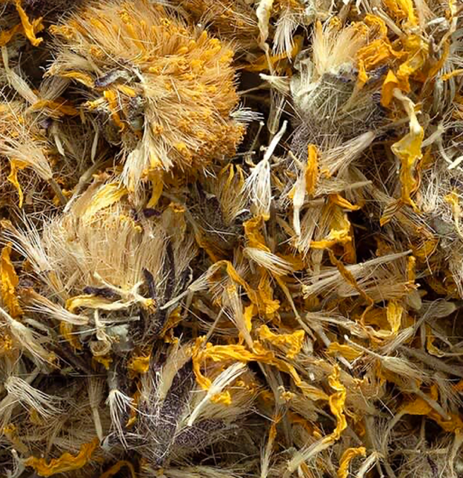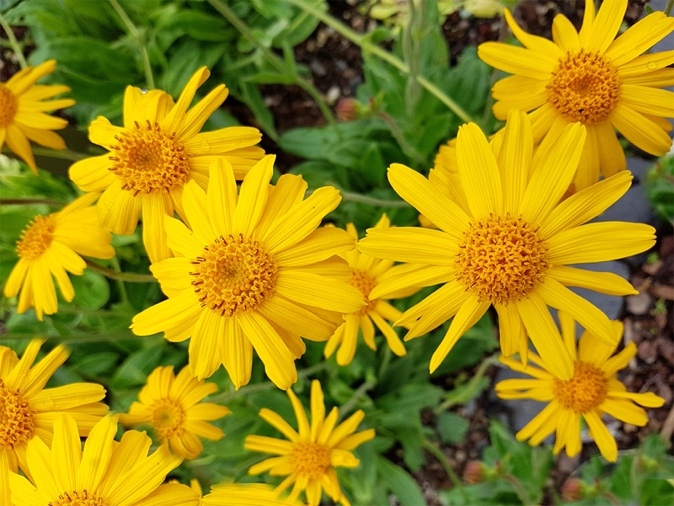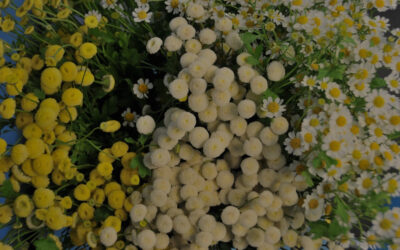

PARTS USED:
- Flower head
USES:
One of the best externally-used remedies for internal healing and pain – chronic and acute. Use wherever skin has not been broken. Not for internal use except in homeopathic doses
Musculoskeletal:
- Specific for bruises
- Sprains – tendon and ligament injuries
- Fractures
- Myalgia
- Rheumatism, arthritis
- Localized muscle pains, ie lower back pain
- Can be used as a massage oil to relieve pain
- and stiffness
CNS:
- Arthralgia
- Relieves symptoms caused by restriction of
bloodflow to limb nerve endings
- Fibromyalgia
- Diabetic neuropathy
Integumentary:
- Hematomas
- Soft tissue injuries
- Insect bites
- Reduced stiffness from osteoarthritis
- Protects hair follicles, increases hair strength and growth of hair
- Inflammation
- Post-op pain
- Phlebitis
- Studies show Arnica works via immunostimulating properties –activates macrophages and increases phagocytosis
- Reduces UV-B inflammatory response (in vivo rat studies)
PREPARATION:
- Oil/Salve
- Tincture
* External use on intact skin only – made with oil, salve, or tincture
SIDE EFFECTS AND TOXICITY:
- Should not be taken internally – potentially toxic (a homeopathic dose is fine internally)
- Can cause painful, itchy allergy in some
MISCELLANEOUS:
- It is thought that the word ‘arnica’ is derived from the Greek word ‘ptarmika’ which refers to something that causes sneezing
- In homeopathic doses it acts as a positive inotrope, potent antioxidant, and hepatoprotective