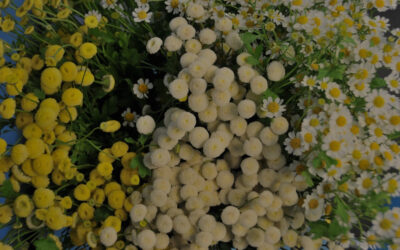

PARTS USED:
- Dried aerial parts
- Honey/nectar
- Seeds
USES:
Antioxidant – especially water extracts
Anti-inflammatory – especially alcohol extracts
Neuro
- Mild sedative
- Calms the mind
- Anti-anxiety – especially alcohol extracts
- Insomnia (oral or essential oils)
- Potentially helpful against depression – improves interaction with surroundings and encourages activity
- Mild anodyne
CV
- Mild vasoconstrictor
Respiratory
- Cough suppressant
GI
- Carminative – especially the seeds
GU
- Cystitis
- UTI’s
- Prostatitis
- Bladder stones and gravel
Musculoskeletal – best in combination for treatment of
- Gout (reduces uric acid and increases urinary excretion of uric acid)
- Rheumatic conditions
Integumentary
- Eczema
- Acne
- Wounds
- May minimize skin damage from UVB exposure – potential as a sunblock additive
Immune
- Effective against Gram-positive and Gram-negative strains, but more effective at Gram-positive
- Conflicting studies against most potent effectiveness
- Aqueous extracts more effective against
- coli
- Enterococcus faecalis
- Proteus vulgaris
- Proteus mirabilis
- Hydroethanol extracts more effective against
- Staphylococcus epidermidis
- Staphylococcus aureus
- MRSA
- Pseudomonas aeruginosa
- Klebsiella pneumoniae
- Candida albicans (fungus)
- Heather honey effective against
- Staph aureus
- Bacillus cereus
- coli
- Pseudomonas aeruginosa
- Inhibits bacteria without affecting beneficial microflora
- Potentially good for mastitis (animal studies)
- Vaginal bacteriosis (although studies show it can destroy the resident bacteria)
- Aqueous extracts more effective against
Oncology
- Cytotoxic activity against
- Human studies:
- Breast adenocarcinoma
- Cervical carcinoma
- Hepatocellular carcinoma
- Gastric adenocarcinoma
- Animal studies:
- Melanoma
- Glioma
- Leukemia
- Renal
- Human studies:
PREPARATION:
- Infusion
- Decoction
- Tincture
Notes:
* Pour tea in bath for calming effect, or use essential oils
SIDE EFFECTS AND TOXICITY:
- Avoid in hypertension
- Avoid in acute or chronic kidney disease
- Potential for photosensitivity (internal administration)
- No data on pregnancy or lactation
MISCELLANEOUS:
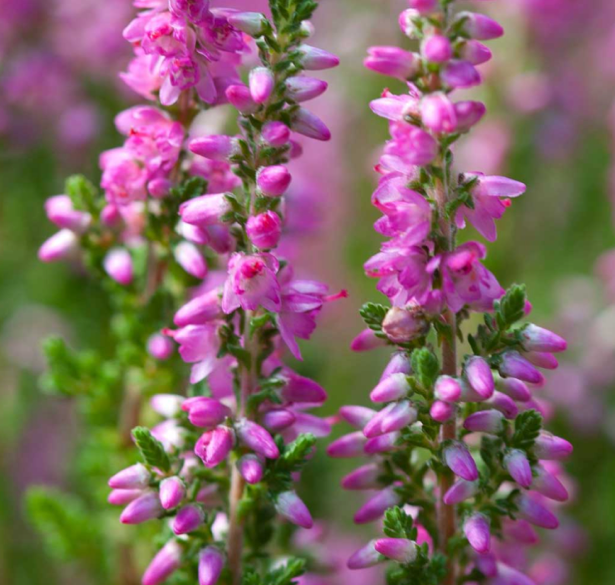
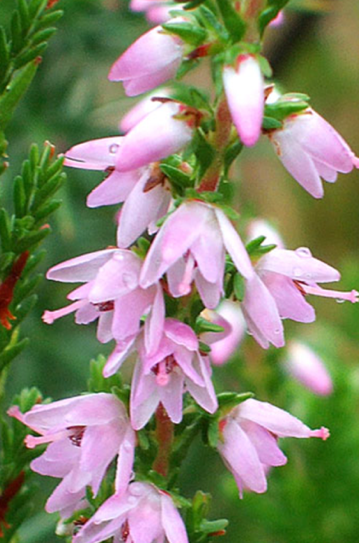
- Usually it’s the purple Heather that is used medicinally; the white is considered good luck
- Depending on the area grown, the plant can have heavy metal toxicity
- The Latin name is said to come from the Greek ‘kallyno’ meaning to cleanse, beautify, or sweep
- Used to dye wool yellow or to tan leather
- A symbol of Scotland for 3000 years
- Has been used there for firewood, thatching, bedding, baskets, making brooms
- Said to be good luck
- The Druids considered it a sacred plant; legend says the white Heather grows over the burial grounds of fairies
- The honey/nectar is an ingredient in Drambuie liqueur
- Roots can be made into musical pipes
- A kind of mead was once brewed from the flowers; the young shoots have been used to flavour beer
- A new subspecies has been found in Siberia, with different biochemical compositions