
PARTS USED:
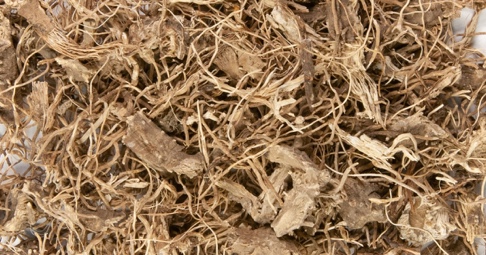
- Root
USES:
Anti-inflammatory
Antispasmodic
- Abdominal cramping, gas
- Leg cramps
- Colic
- Asthma, bronchitis, cough
Neuro
- Activation of microglial cells – may prove
useful for neurodegenerative diseases
- Alzheimer’s
- Parkinson’s
- Lewy-body Dementia
- Has proven helpful in post-op pain
Musculoskeletal
- Muscle spasms
- Rheumatic conditions
Integumentary
- Promotes wound healing by improving circulation
Reproductive
- Amenorrhea/dysmenorrhea
- Facilitates childbirth – brings on contractions
- Helps minimize excessive menstrual and post-natal bleeding
- Pelvic inflammatory disease
- Endometriosis
- Ovarian and uterine tonic
- Useful in any condition where there is loss of tone, including mild prolapse
- Helps promote normal levels of estrogen and progesterone
- Regulates the luteal phase of the cycle
- Promotes efficient evacuation of the endometrium during menstruation
- Congestive dysmenorrhea (used as an astringent)
- Emmenagogue – brings on delayed menses
Oncology
- Shows promise in the treatment of estrogen-independent breast cancer
- Apoptosis
- Inhibits cell proliferation
PREPARATION:
- Decoction
- Tincture
Notes:
* Only use as a small portion of any formula – no more than 20%
* Caulophine (active ingredient) is easily absorbed after oral administration – effects work relatively quickly; however, it is eliminated from the body slowly, so there is a potential for buildup. Space doses apart
* Does no extract well in oils
SIDE EFFECTS AND TOXICITY:
- Do not use in early pregnancy – can be an abortifacient; OK in the last 2-4 weeks
- Neonatal CHF has been linked to an overdose of this herb during labour
- May elevate BP and glucose levels
- Known to inhibit cyp450, the enzyme that helps metabolize drugs and toxins – may lead to toxic doses of drugs in the body
- Cardiac glycosides can induce fetal complications if taken in excessive doses
MISCELLANEOUS:
- Many Indian tribes used this herb as an agent for the relief of colic and cramps in children
- Also known as squaw root or papoose root
- Considered an ‘at risk’ plant in the wild
- Blue cohosh is listed in the British Herbal Pharmacopoeia (1983) as a spasmolytic and emmenagogue