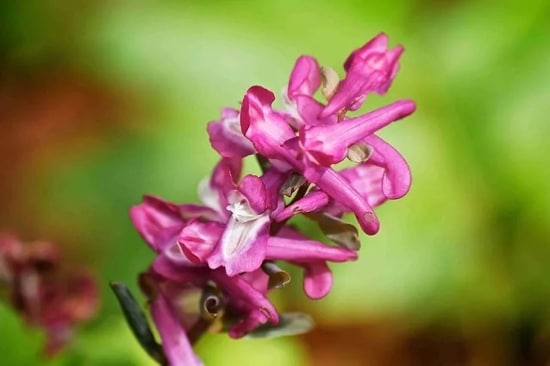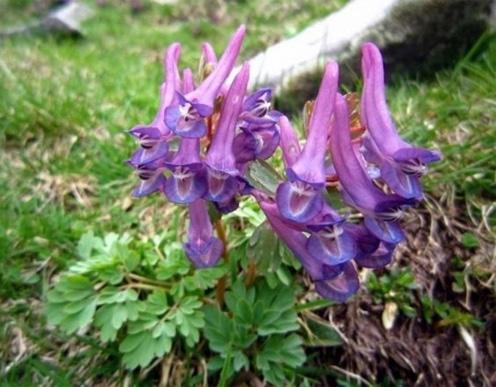

PARTS USED:
- Rhizome, Whole plant
USES:
Analgesic
For skeletal and smooth muscle
Useful for acute pain and chronic pain
- Headache
- Back
- Abdominal
- Joint /Bone
- Neuropathic
- Menstrual/Pelvic
- Cardiac
- Stomach ache
- Bone cancer pain
Works on same receptors as most pain medications, increasing the pain threshold
Can be a safe replacement for long-term NSAIDs
At appropriate doses, does not cause sedation
Works the same way as narcotics, without the sedative effects
- Overuse can cause tolerance
- Overdose causes CNS and respiratory depression
- Responds to Nalaxone (Narcan) in cases of overdose
- Can be used in the treatment of cocaine and opioid addiction
Antispasmodic for skeletal and smooth muscle
- Good for GI and Musculoskeletal spasms
- Dysmenorrhea
Anti-inflammatory
Nervine relaxant, good for insomnia
Platelet inhibitor
Antimalarial (contains berberine)
Liver protection
Gastric ulcer repair
Anti-dysrhythmic
Potential antibacterial and antifungal properties
PREPARATION:
- Tea
- Tincture
- Rarely used alone; best in combination with other pain herbals, relaxing nervines or antispasmodics
SIDE EFFECTS AND TOXICITY:
Use up to 6 weeks at a time only and then take a break – might cause liver inflammation
Avoid in pregnancy due to its blood moving properties
Avoid during lactation
Avoid in children
Toxic to dogs
May have additive effects with anticoagulants
Signs of overdose:
- Trembling, shaking, twitching
- Excessive sedation
Avoid with clients that bleed between cycles
May cause tolerance but rarely dependence
MISCELLANEOUS:
Marijuana is now being found occasionally spiked with corydalis