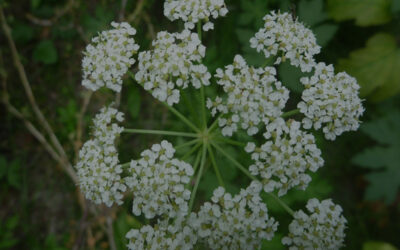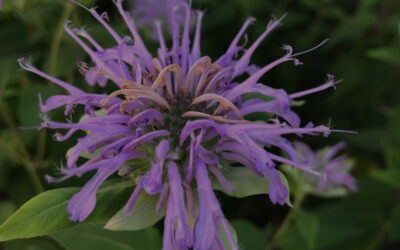

PARTS USED:
- Root, Rhizome
USES:
Inula can be slow and steady in action and often needs to be used for quite some time in order to get its full action
Stimulating – gets things moving:
- Stuck mucous
- Delayed menstruation
- Sluggish GI system
- Low-grade, persistent fever
- Fluid retention
Respiratory:
- Good for persistent, stubborn respiratory infections
- Specific for irritating bronchial coughs, especially in children (whooping cough, croup)
- Good for the elderly or anyone who cannot cough strongly (neuromuscular conditions; spinal cord injuries)
- Bronchitis, emphysema, asthma
- The mucilage relaxes and coats; the oils stimulate expectoration
- Anti-inflammatory
Antispasmodic:
- Respiratory
- GI
- Reproductive
Antimicrobial:
- Effective against respiratory infections
- Essential oil is effective against Candida (better than melaleuca or bergamot) and Enterococcus
- Effective as a topical antimicrobial
GI:
- Stimulates digestion and appetite
- Behaves as a prebiotic due to the high Inulin content
- Anthelmintic
- Helps balance blood sugar (Inulin content)
Topically:
- Eczema
- Scabs and sores
- Promotes healing of difficult sores
Anti-Tumour:
- Inhibits growth of gynecological cancers
- Toxic against four tumour cell lines of leukemia
- Has shown promise against lung cancer
PREPARATION:
- Tea
- Tincture
- Syrup
SIDE EFFECTS AND TOXICITY:
- Do not use during pregnancy or lactation
- Diabetics need to monitor blood sugar a bit more closely while taking Inula
- Large doses can be emetic and even paralytic
- May cause contact dermatitis