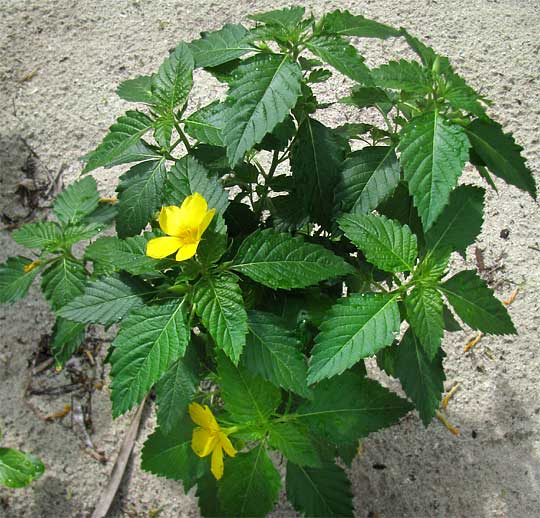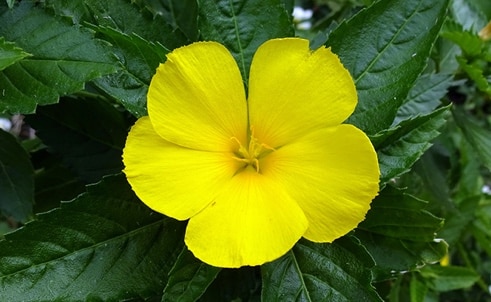

PARTS USED:
- Dried leaves, stems
USES:
Pelvic circulatory stimulant
- Primary use is as an aphrodisiac – strengthening remedy where testosterone balance is an issue (Erectile dysfunction, frigidity)
- Prostate issues
- Sensitizes genital areas – caution with premature ejaculation
Nervine tonic for stress and low energy
Anti-anxiety
- Relaxing
- Helps with intimacy – breaks down walls, allowing people to ‘fully surrender’
- Good for socially awkward people who can’t open up
- Good for those who don’t like to be touched
Fatigue, mental exhaustion, dementia
Stress-related GI issues
- Anti-ulcer
- Laxative
- Indigestion (studies show it is as effective as Omeprazole)
- Anxiety-related diarrhea or constipation
Urinary tract inflammation
Can help with menopausal symptoms
Hepatoprotective – Studies are underway to create pharmaceuticals for hepatoprotection (will be the first drug ever for this)
Analgesic – potentially as effective as opioids for pain control
Anti-inflammatory – topically or internally, including oral issues
Expectorant (keep the bullets)
Hypoglycemic
- Evidence suggests it lowers blood sugar
- Slow and gradual reduction in glucose levels in either normoglycemic or hyperglycemic individuals (in vivo studies – rats and humans)
Cytotoxic against breast carcinoma and myeloma
PREPARATION:
- Infusion
- Tincture
- Can be smoked
SIDE EFFECTS AND TOXICITY:
- Caution in pregnancy – has been used as an abortive in the past
- Caution with lactation – unknown effects
- Caution when dosing for anxious children
MISCELLANEOUS:
- The origin of the common name damiana is from the Greek damia, (‘to tame or subdue’). It is the female version of Damian
- The Guaycura indigenous people of the Baja region of Mexico were the first to use this herb, and it spread to other tribes in Mexico (Aztecs, Mayans, Mixe)
- Significant socio-economic importance to the Baja region – used as flavoring for liquors (Damiana margaritas) and as medicine
- Used as an anti-malarial in southern Mexico
- Used in several 19th century medicines, such as Pemberton’s French Wine Coca. This company also owned Coca-Cola but omitted Damiana from Coke products