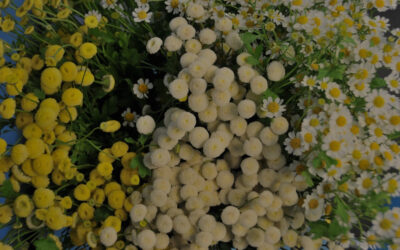

PARTS USED:
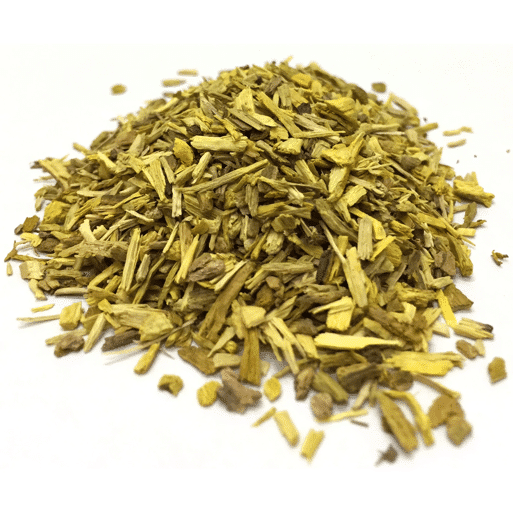
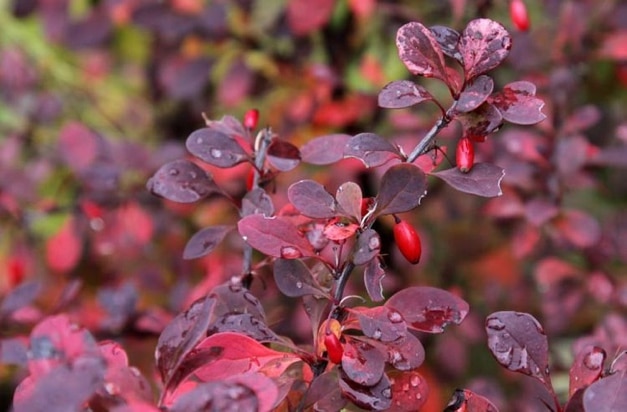
- Bark of the root or stem; fruit (berry)
USES:
Anti-Diarrheal:
- Traveler’s diarrhea
- Food poisoning
- Bacterial imbalances
Improves systems quicker than antibiotics but not as effective at killing bacteria in intestines; therefore recommended to be used in combination
Reduces fever
Immune booster
For Polycystic Ovary Syndrome
- May improve fertility (studies show ovulation improved 25% after four months of treatment)
- Improved pregnancy rates when taken 12 weeks prior to IVF treatment
- Reduce testosterone levels
- Anti-obesity agent
- Hypoglycemic
Cardiovascular:
- Hypotensive
- Tachycardia
- Positive inotrope
Anticonvulsant
Antioxidant
Known to help with blood sugar control
Anticholesterol
- Reduces total cholesterol, LDL, and triglyceride levels
- 24% reduction in LDL; 32% reduction when combined with Simvastatin
Skin:
- Acne
- Psoriasis
- The gel is good for chancre sores
Antimicrobial
- Urinary tract infections
- Upper Respiratory tract infections
- Dental infections
- Candidiasis (Yeast) of the skin or vagina
Antiparasitic
GI System:
- Helps with liver and gallbladder support – regulates and improves function
- Antinausea
- Gastroenteritis
- Leaky gut
- Cleanses and strengthens the GI system in debilitated people
- Improves appetite
- Hemorrhoids
Antispasmodic – cramps, colic
Arthritis, rheumatism
Gout
PREPARATION:
- Tea
- Tincture
SIDE EFFECTS AND TOXICITY:
- Avoid during pregnancy – may stimulate uterine contractions and cause miscarriage
- Avoid if taking anticoagulants
- May interact with Celecoxib (Celebrex)
MISCELLANEOUS:
- Jams and jellies are often made from the fruit
- The fruit syrup is often used to mask the taste of medicines
- Bark is used as a dye for clothing, leather, hair