
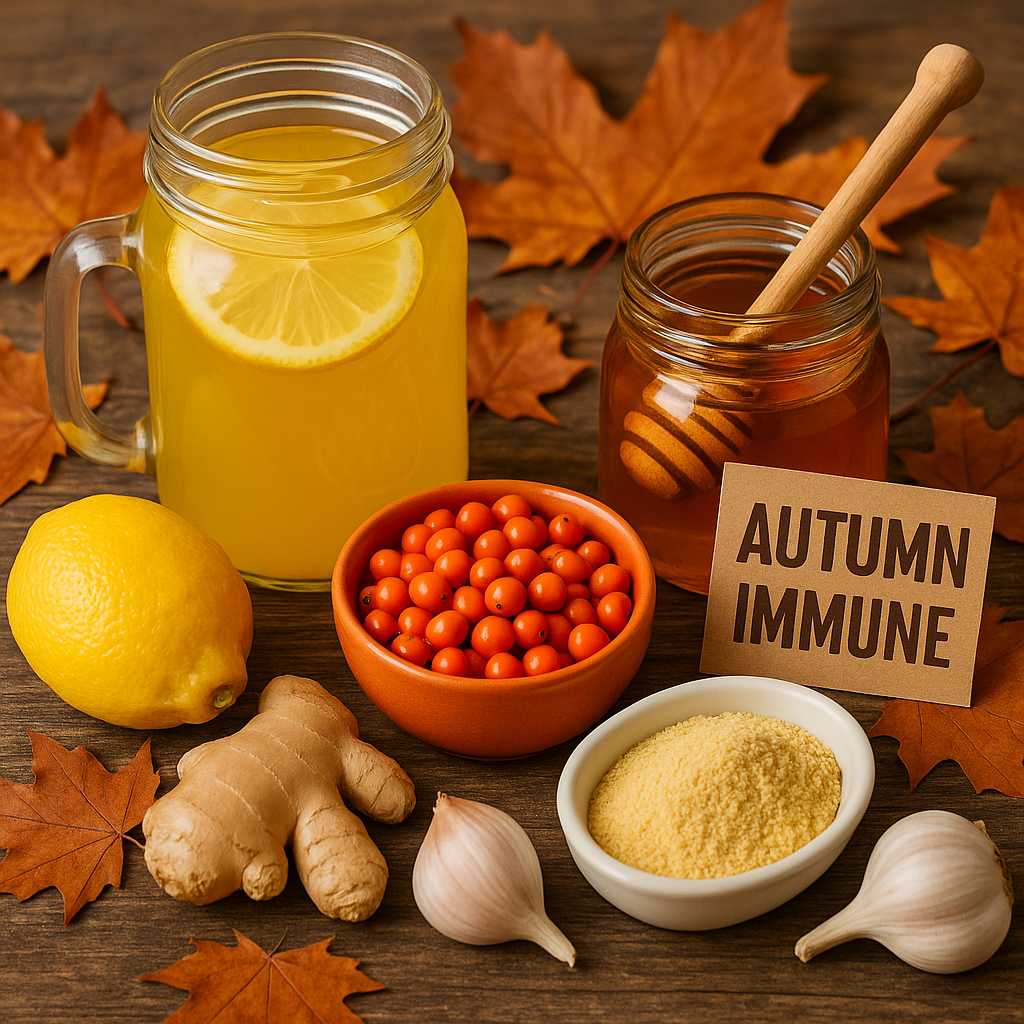

As summer’s warmth fades into crisp air and shorter days, our bodies face seasonal shifts that can test the resilience of the immune system. At The Herbal Clinic & Academy, we believe that the coming of autumn is an ideal opportunity to proactively support immunity using gentle, time-honoured herbal strategies—backed by both traditional wisdom and modern research.
In this article, we’ll explore how the changing season stresses our defenses, then dive into herbs, lifestyle tips, and formulations you can use (or adapt) to stay strong through the cooler months.
The Season of Transition: Why Autumn Demands Immune Support
Autumn brings several changes that challenge immune health. With shorter days, reduced sunlight lowers vitamin D levels—an important immune regulator. Fluctuating temperatures between warm indoor environments and chilly outdoor air can stress the body. At the same time, the return to classrooms and offices increases exposure to airborne viruses.
These shifts make autumn the ideal time to prepare and strengthen your body’s defenses before winter illnesses strike. The goal is not to overstimulate immunity, but to balance and nourish it.
Key Principles for Herbal Immune Support
Before diving into specific herbs, it helps to remember a few core principles:
- Start early: Begin immune support as temperatures begin to drop.
- Choose adaptogens and modulators: Focus on herbs that restore balance rather than overstimulate.
- Combine strategies: Pair herbal care with proper diet, rest, and movement.
- Cycle herbs: Use stronger immune stimulants only for short periods.
- Individualize: Adapt remedies based on constitution, health, and medications.
Herbal Allies for Autumn Immunity
Astragalus (Astragalus membranaceus)
Astragalus is a revered immune tonic in Western Herbal Medicine, supporting the body’s outer defences. It helps strengthen vitality and endurance while enhancing immune resilience. A daily decoction or tincture made from the root can serve as a gentle, long-term support throughout fall and winter. Astragalus is a strong immune tonic, best suited for prophylactic use, so if you get ill, stop taking it until you are back to health; otherwise, it could prolong symptoms.
Echinacea (Echinacea angustifolia or E. purpurea)
Echinacea is well known for stimulating immune cells and reducing the duration of colds when taken early. It can be used as a short-term boost during exposure to illness or at the onset of symptoms, but regular low-dose use throughout autumn can help maintain immune alertness.
Turmeric and Ginger (Curcuma longa & Zingiber officinale)
Both turmeric and ginger are warming, anti-inflammatory roots that support circulation and overall immune health. Turmeric helps modulate inflammation, while ginger warms the digestive and respiratory systems. Used together in teas, meals, or added to smoothies, they help the body adapt to cold weather.
Licorice (Glycyrrhiza glabra)
Licorice root soothes mucous membranes and supports the adrenals, making it beneficial for individuals under stress or recovering from respiratory irritation. It also harmonizes herbal formulas. However, those with high blood pressure or kidney concerns should use it cautiously.
Medicinal Mushrooms (Reishi, Shiitake, Turkey Tail)
Mushrooms rich in beta-glucans are powerful immune modulators. They train immune cells to respond more efficiently to pathogens and help improve energy and resilience. Consuming mushroom extracts or teas throughout the fall and winter helps build long-term strength.
Elderberry (Sambucus nigra)
Elderberries and elderflowers have long been used to support immunity and ease respiratory conditions. Elderberry syrup is a seasonal favourite—it’s rich in antioxidants. It has shown potential to reduce the duration of cold and flu symptoms when taken at the first sign of illness.
Thyme, Sage, and Oregano
These aromatic herbs, abundant in essential oils, have antimicrobial, anti-inflammatory, and decongestant effects. They can be used as teas, tinctures, gargles, or steam inhalations to support the respiratory system and protect against seasonal infections.
Eucalyptus (Eucalyptus globulus)
This herb shines as a remedy for the respiratory tract, particularly when there is inflammation involved in the airways due to colds and flu. It helps relax airways, making it easier to breathe, which helps clear secretions. It also helps bring down fever.
Ways to Use and Formulate Herbal Support
There are many ways to bring these herbs into your daily routine:
- Decoctions are ideal for tough roots like astragalus and licorice.
- Tinctures offer convenience and potency for echinacea or elderberry.
- Herbal teas such as thyme, sage, and oregano provide gentle daily support in herbal formulas or when added to food.
- Syrups and elixirs can combine elderberry, ginger, and honey for a tasty, soothing remedy.
- Steam inhalations with thyme or eucalyptus help clear congestion and ease breathing.
Capsules or extracts of mushrooms or turmeric offer an easy way to administer your daily dose.
Stay Hydrated
Dry air and indoor heating can dehydrate you. Ensure you take in enough fluids by drinking water throughout the day. Additionally, add herbal teas, broths, or warm lemon water to keep mucous membranes moist and better able to fend off pathogens.
Skin is your first barrier for avoiding infection, so ensure it stays well hydrated from the outside as well – you may require more lotions or oils during winter.
Prioritize Rest
Sleep regulates immune cell production and recovery. Aim for 7–9 hours of rest sleep each night, keeping a consistent bedtime routine to align with the body’s natural rhythms.
Manage Stress
Chronic stress suppresses immune function and puts extra pressure on your adrenal glands. Incorporate relaxation practices like meditation, yoga, and gentle stretching. Adaptogenic herbs can help balance stress hormones. Speak to a herbalist to determine the right adaptogen for you.
Get Fresh Air and Movement
Exercise enhances circulation and lymphatic flow, while spending time outdoors improves mood and vitamin D levels. A brisk daily walk can do wonders for immunity.
Safety and Precautions
- Consult your healthcare provider or qualified herbalist before combining herbs with prescription medications.
- Avoid echinacea for autoimmune disorders unless guided professionally.
- Licorice should be used carefully by individuals with high blood pressure.
- Pregnant or nursing individuals should seek expert guidance before starting new herbal formulas.
- Always use herbs from trusted, high-quality sources—organic when possible.
Embracing Autumn the Herbal Way
Autumn is more than just a beautiful season—it’s a time for preparation, reflection, and strengthening. By combining traditional herbal wisdom with mindful living, you can create a foundation of wellness that carries you into winter with energy and ease.
At The Herbal Clinic & Academy, we encourage you to explore the synergy between body and nature. Whether through daily teas personalized herbal blends, or adding nutritive herbs to your diet, there’s always a natural way to stay well.


0 Comments