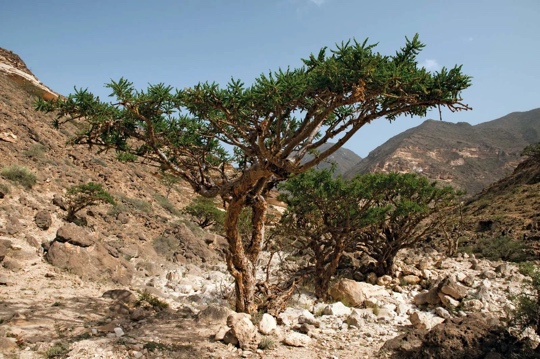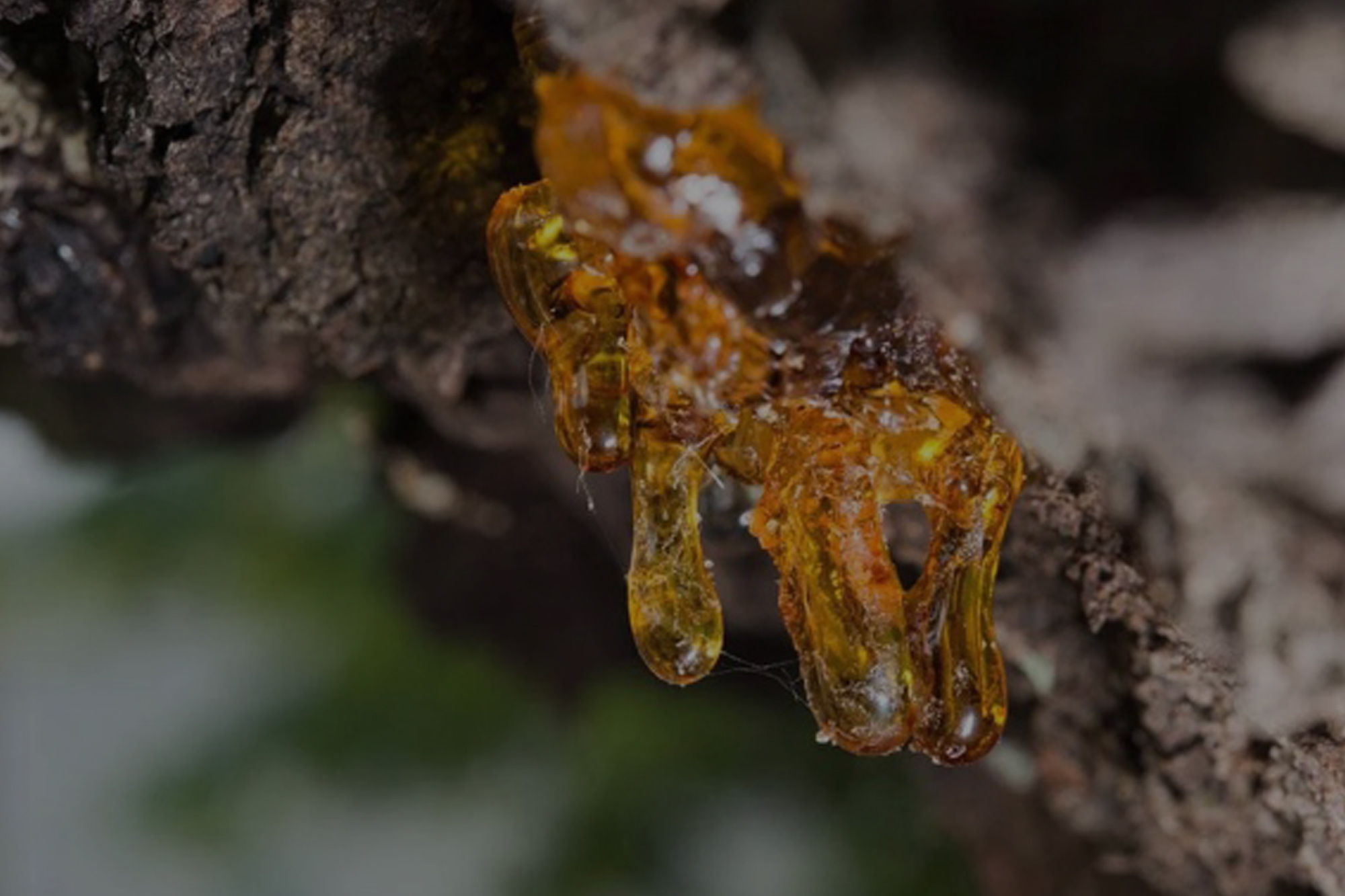

PARTS USED:
- Resin/Sap
USES:
Anti-inflammatory – especially chronic conditions; does not cause the same damage as NSAIDs or steroids
- Mechanism of action:
- Prevents the formation of leukotrienes in the body
- Inhibits synthesis of pro-inflammatory enzymes (these cause bronchoconstriction, increased vascular permeability, and chemotaxis)
- Helps with removal of natural toxins
- Arthritis
- Osteoarthritis – studies show decreased pain after 90 days, and reduction in cartilage degrading
- Rheumatoid arthritis
- Supports joint cartilage, reducing wear and tear
- Alleviates swelling, pain, stiffness
- Helps heal connective tissue
- Dysmenorrhea
- Suppresses inflammation in airways by inhibiting cytokine release
Antimicrobial
- Infectious diseases
- HPV
- Used in India for leprosy
- Stops further growth of bacteria
- Gram- and Gram+
- Herpes Simplex I
- Staph aureus
- coli
- Klebsiella
- Pseudomonas aeruginosa
- Proteus mirabilis
- Strong antimicrobial properties when dispersed into the air – diffusers, incense
Anti-tumour
- Act in various ways to inhibit growth, inhibiting DNA synthesis, etc.
- May be effective in fighting advanced breast cancers
- May limit the spread of leukemia and brain tumours
- Suppresses pancreatic cancer cells
- Suppresses prostate tumour growth
- Protective against colon cancer – modulates RNA pathways
GI
- Inflammatory bowel disease – Colitis, Crohn’s (study results are mixed re: improving outcomes but did show that Boswellia could be just as effective as prescription drugs)
- Anti-ulcer
Skin issues
- Sores, ulcers
- Tumours (basil cell carcinoma)
- Good for skin rashes and issues after radiation
- Aids in granulation formation
Respiratory
- Stimulates mucous secretion – via reduction of human leukocyte elastase, which decreases lung elasticity, constricts passages, interferes with mucous secretion
- Expectorant
- Colds, congestion, flu
- Emphysema, bronchitis, asthma
- May help those with cystic fibrosis
- Suppresses inflammation in the airways
Anti-allergy – blocks allergy responses
- Anti-anaphylactic
- Stabilizes mast cell activity
Anticholesterolemic
- Increases HDL and decreases total cholesterol (animal studies)
Hepatoprotective (animal studies)
- Non-alcoholic fatty liver disease – reduces oxidative stress
Neurologic
- May enhance the cognitive outcome of patients with Diffuse Axonal Injury (studies show only minimal improvement, however)
- Psychiatric and mental health conditions
- Crosses blood brain barrier, making it useful for many conditions
- Depression – showing promise in animal studies
- Dementia – increases Glutathione levels
- Chronic fatigue
- Neuroinflammation
- May aid stroke recovery (by reducing inflammation)
- Cerebral edema
- In Ayurveda, it is connected with the pineal gland (helps regulate circadian rhythm)
Anti-Alzheimer’s (elevates Acetylcholine levels and reduces Acetylcholinesterase)
PREPARATION:
- Tincture
- Steam inhalation, baths, massage oil
Notes:
* Boswellia resin does not extract in water, the bark or root can be used for decoctions (simmer/low boil x 15 min)
* Highly lipophilic, resulting in poor absorption or retention in the GI tract; take with a fatty meal as this will help increase plasma concentration
SIDE EFFECTS AND TOXICITY:
- May be mildly irritating to GI tract (diarrhea, nausea, reflux)
- Skin itchiness, rash
- Topically, may cause contact dermatitis
MISCELLANEOUS:
- The first mention of Boswellia resin as a drug is in the Ebers papyrus (Egypt), approximately 1500 BCE
- The resin, as incense, was used for ceremonies and was believed to have a tranquilizing effect – thus, in Ayurveda it is considered to have strong actions on the nervous system, and is one of the most valued herbs in Ayurveda
- In Indian and Chinese medicine, consumption of Boswellia is believed to improve learning, memory, performance and cognition. It is given to pregnant women to increase the memory and intelligence of the child
- Boswellia has had a long-term connection to spiritual health