
PARTS USED:
-
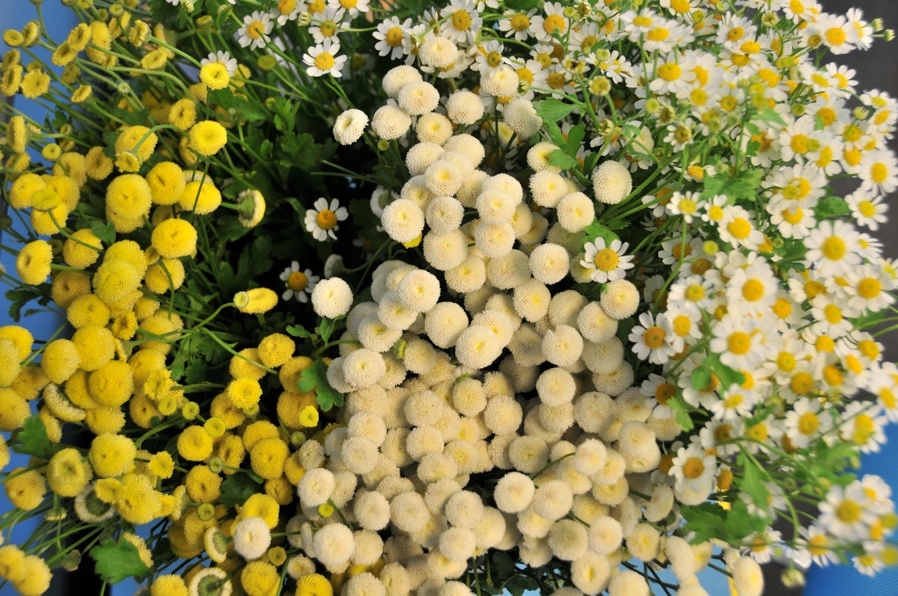
Flower heads
USES:
Nervine
- For all types of anxiety, restlessness, or stress – relaxes and tones the nervous system
- Induces sleep
- Especially valuable when anxiety affects the GI system – soothes the walls, facilitates elimination of gas, calms inflammation
- Essential oil in a bath for relaxation of mind and body
- Inhalation of the vaporized essential oils helps relieve anxiety and depression (studies)
- Anticonvulsant (studies)
- CNS depressant
- Lessens sleep issues
- Antidepressant (studies show the results disappear when you stop taking it, however, much like medication)
- Neuropathy
- Migraines
- Good for hyperactive children – helps reduce restlessness
- Studies show it significantly reduces moderate to severe symptoms of General Anxiety Disorder (GAD), but any improvements are lost when treatment is stopped, and relapse is likely
Antispasmodic
- For peripheral nerves and muscles, helping the whole body to relax
- Eases muscle cramping
- Good for menstrual discomfort and bowel cramps
- Eases breast pain related to menstrual cycle
- May help with menstrual pain and cramping by relaxing the uterine muscles
CV
- Decreases systolic blood pressure (clinical studies)
- Mild effect on lowering cholesterol
Mild Diuretic
GI
- Relaxes the smooth muscle of the GI tract; regulates peristalsis
- Specific in all kinds of gastrointestinal disturbances, particularly those associated with nervous irritability
- Reduces gut wall irritation
- IBS, colitis, spasms, colic, indigestion, bloating, flatulence
- Ulcers
- Infusion can be used as rinse or gargle for inflammation of the mouth and throat – gingivitis infant teething, etc.
- Diarrhea – adult and children’s
- Travel sickness, infant colic
- May help in cases of Crohn’s Disease
- Topical application may reduce hemorrhoids
- Inhibits Helicobacter pylori, the bacteria that can contribute to stomach ulcers
- N/V during pregnancy
- Stimulates the liver (studies)
Respiratory
- Colds, flu, and allergies
- Eliminates excess buildup of mucous in the sinuses
- Anti-inflammatory for respiratory system – a steam inhalation helps inflamed mucous membranes, sinuses and lungs
- Anti-allergy – good for asthma and hayfever – believed to reduce allergens such as pollen or dust
Anti-inflammatory/Analgesic – internal and topical
- Flavonoids and essential oils penetrate below the skin surface into the deeper skin layers (studies)
- Osteoarthritis
- Carpal tunnel syndrome (when combined with a splint)
- Topically for toothache, earache, neuralgia
- Helps reduce swelling and pain – acts as a mild anesthetic
- Encourages healing topically or below the surface
- Rheumatic, muscular pains, neuralgia
- A douche may improve symptoms of vaginitis
- Effective against inflammation of the urinary tract
- Topical oil reduces the need for Tylenol or NSAIDs in orthopedic issues – pain, stiffness, function (studies)
- When combined with Mentha, effective in management of oral mucositis – pain reducing, dysphagia, dryness (studies)
- Reduces the dosage of required narcotics
Immunomodulator
- Boosts the immune system and helps fight infections
- Activates macrophages and B-lymphocytes
Skin
- A chamomile bath can provide relief for dry, irritated skin or sunburn, inflammation
- Good for ‘oily’ situations – hair, acne, etc
- Moderately effective in the treatment of atopic eczema – not as effective as hydrocortisone cream
- Swelling and inflammation of the mouth and throat
- Hemorrhoids, mastitis, diabetic ulcers
- Helps with drying and strengthening of wound beds, and in speeding epithelialization (clinical studies show 13% faster healing than corticosteroids)
- Sunburn
- Diaper rash
- Radiotherapy burns
- Shingles
Anti-cancer
- Reduces viability of cancer cells in
- Skin
- Prostate
- Breast
- Ovarian
- Cancer cell death while having no deleterious effects on normal cells
- Potentially has an estrogen receptor-related mechanism – exhibits anti-estrogenic effects
Antimicrobial
- Effective against Staph and Candida
- Mildly effective against Gram-positive bacteria
- May or may not have effects against Gram-negative bacteria (studies are conflicting)
- Effective against Herpes Simplex and Polio viruses
- Effective against TB
- The flavonoids are effective against many viruses
Diabetes
- May help to improve glycemic control (infusion or tincture)
- Helps correct dyslipidemia and oxidative stress in patients with diabetes
- Protective effects on pancreatic beta cells
Lowers glucose (rat studies)
PREPARATION:
- Infusion
- Tincture
- Baths
* Notes:
- Some practitioners feel that Matricaria is best dosed on the low end of its dosage range over a longer period of time
- Patients with open wounds should be cautious when bathing in Matricaria-infused water
SIDE EFFECTS AND TOXICITY:
- Caution with anticoagulants – can potentiate actions; increased risk of bleeding; has anti-platelet activity
- Interacts with cyclosporine
- Can inhibit Cytochrome P450 liver enzymes which can affect efficacy of meds/herbs broken down by these enzymes. For example,
- Ciprofloxacin
- Fluoxetine (Prozac)
- Carbamazepine (Tegretol)
- St. John’s wort
MISCELLANEOUS:
- German studies show that the antispasmodic properties are stronger than papaverine from the opium poppy
- Water extractions are adequate for the antispasmodic and relaxing effects (ie teas)
- Known as ‘maythen’ to the Anglo-Saxons, it was one of the nine sacred herbs given to the world by the god Woden
- It is known as ‘the plants’ physician’ because it is said that ailing garden plants will recover when it is planted next to them
- The word chamomile comes from the Greek word meaning ‘earth apple’, from chamomile’s sweet apple-like scent
- Breathing it in is thought to be deeply relaxing, and some people sew it into dream pillows
- In Germany, linen bags filled with chamomile flowers are heated and placed on the abdomen to relieve discomfort
- Chamomile oil is a popular ingredient of aromatherapy and hair care – Roman chamomile is widely used in cosmetic preparations and in soothing and softening effect on the skin
- German chamomile should not be confused with Roman Chamomile (Anthemis nobilis), which, although also of value medicinally, does not contain chamazulene
- The Dutch use the powdered flowers as a snuff for the relief of colds and hayfever.
- Roman women took infusions of chamomile to relieve period pains, hence one of its Latin names Matricaria