
PARTS USED:
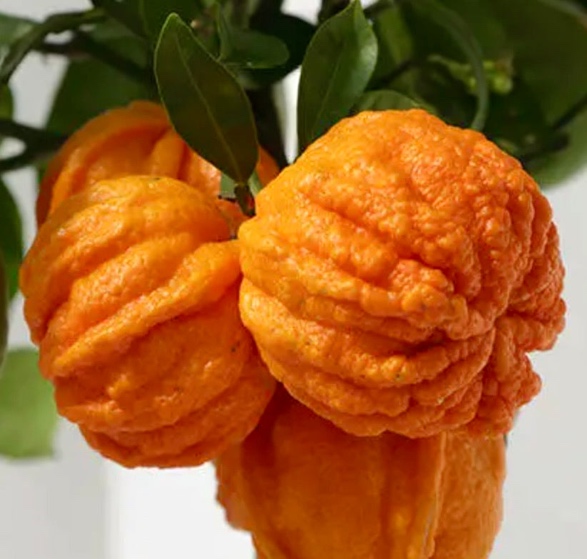
- Whole fruit
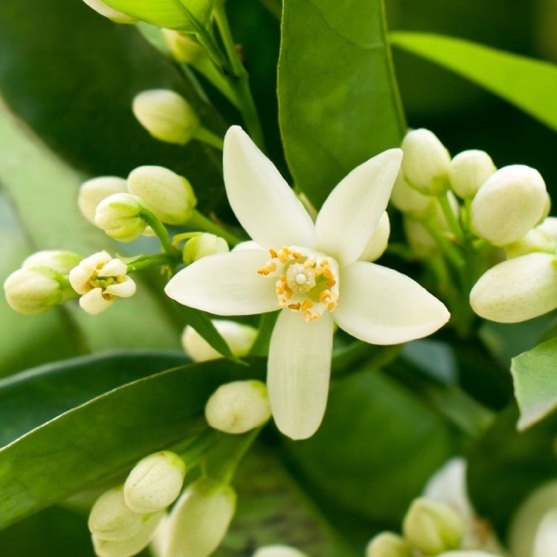
- Leaves and Flowers
USES:
This is one of the botanicals that works best as aromatherapy and/or inhalation therapy. There are many studies that have shown the positive effects of Neroli oil (from the flower buds; expensive) on mood, blood pressure, GI symptoms, pain, and inflammation. For many of its uses, the essential oil is a key component for this plant, so if you need the oil component it is important to ensure it makes it into your remedy – as a tincture, as a steeped tea (covered), as a steam distillation, or via an essential oil diffuser. Pettigrain oil is extracted from leaves and young shoots.
Antispasmodic/Anodyne
Antioxidant
- Often higher in peel than pulp
- Peel constituents higher in tincture than tea; pulp is higher in tea than tincture
Anti-inflammatory – high Vitamin C content
Antiseptic (Essential oil)
Pesticide – for mosquitos and small flies
Neuro – Most of the neuro benefits are from the essential oils, either captured with steam, or via aromatherapy
- Insomnia, fatigue
- Relaxing nervine
- Sedative
- Antidepressant
- Anticonvulsant
- Headaches
- Anxiety – great for pre-op anxiety
Cardiovascular – Neroli oil works best here
- Decreases palpitations
- Negative chronotrope
- Positive inotrope and vasoconstrictor
- Increases blood pressure
- Good for cardiogenic shock and CHF
- Astringent
- Stops bleeding
- Preserves fluid volume – good for hypovolemic shock, dehydration
- Controls cholesterol
Respiratory
- Relaxes bronchial smooth muscle – asthma, bronchitis, cough
GI
- Carminative
- Promotes gastric mucus production and supports integrity of gastric mucosa
- Laxative
- Astringent – reduces diarrhea
- Anti-obesity agent
- Thermogenic – increases metabolic rate
- Reduces fat accumulation
- Reduced liver fibrosis (animal studies)
- Hepatoprotective against chemically-induced liver necrosis (ie Tylenol overuse, alcohol)
- Bitter
- Appetite suppressant, but can also stimulate the appetite
MS
- Improves athletic performance
- Increased reps/weights/distance – allows you to train harder
- Note: Considered a stimulant – banned in most sports
- Aromatherapy has a calming effect on muscle contractions post-workout
Integumentary
- High vitamin C content – good for wound healing, collagen formation
- Pimples, acne, bacterial and fungal infections
Endocrine
- May help lower blood glucose levels
- Fruit and juice may be useful in hypothyroidism (animal studies)
Reproductive
- Antispasmodic
- Dysmenorrhea
- PMS
- Aromatherapy used over two cycles reduced PMS in young girls, particularly the mental symptoms, such as irritability, anxiety, depression (studies)
- Labour pains (tea compress placed on back of neck – study)
Immune
- Antibacterial – all Gram-positive and Gram-negative bacteria (tincture and tea forms of leaves, plus essential oil of leaves and fruit)
- Staph aureus, Listeria, Klebsiella, Salmonella, E.coli
- Antiviral – notably Rotavirus
- Antifungal
Oncology
- Promotes production of Interleukins and Tumor Necrosis Factor
- Helps with cell cycle arrest
- Prevents cell infiltration
- Best on lung carcinomas
- Apoptosis of colon cancer cells and leukemia cells
PREPARATION:
- Infusion
- Tincture
Note that Citrus is typically used in small, synergistic amounts in formulas, as opposed to being the primary herb.
SIDE EFFECTS AND TOXICITY:
- Avoid use of essential oils in pregnancy or lactation
- Do not combine with caffeine
- Oils can cause skin sensitivity to UV light and sunlight
- The juice and fruit is not recommended:
- If taking opioids – can increase BP and cause irregular heartbeat
- If taking decongestants
- If client has hypertension or dysrhythmias
- If client has glaucoma
MISCELLANEOUS:
- Used as a flavouring agent for Curaçao and Grand Marnier
- Bitter orange oil is also used as a flavouring or additive for:
- Preservatives
- Candy
- Desserts
- Sauces, marinades, and chutneys
- Salad dressing
- Fermented wine
- Medications
- Used in India to treat malaria
- Contains P-synephrine
- Can increase bp, heart rate
- Can cause heart attacks and stroke if overused, or in clients with a predisposition
- When used in recommended amounts, studies show it is safe; however, supplements containing Citrus have been banned in the USA
- Also found in other fruits and juices, such as mandarins and clementines
- Banned in many sports
- Used in skin care, perfumery