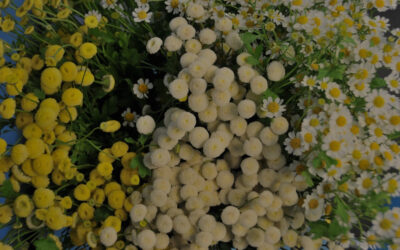

PARTS USED:
- Leaves
- Roots (for emetic/purgative action)
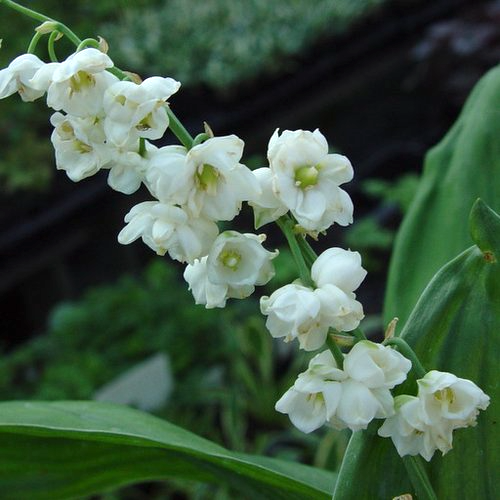
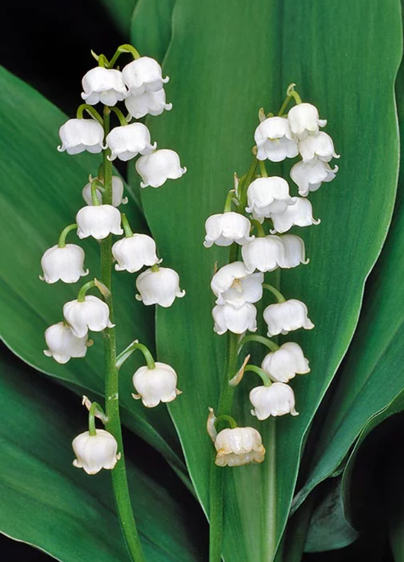
- Flowers (most active part; this is the part usually used for medicine)
Note: The red berries are poisonous
USES:
Convallaria is one of those plants that is used medicinally (‘Use this herb for that problem’), as opposed to trying to improve a tissue state. Above all other actions it has, it is a cardiac glycoside. Cardiac glycosides have a positive ionotropic effect on the heart and are therefore a good choice for any conditions that compromise left ventricular function. They do this by indirectly increasing the amount of calcium available within the heart muscle cells. They inhibit the sodium-potassium pump in the cell membrane, which leads to a buildup of sodium inside the cell; this increased intracellular sodium then reduces the activity of the sodium-calcium exchanger, which normally pumps calcium out of the cell. With more calcium remaining inside the cell, this allows for stronger and more forceful contractions.
Cardiac glycosides also have a negative chronotropic and negative dromotropic effect; they do this in two ways:
- Slowing conduction through the AV node, thereby helping to control the ventricular rate
- Stimulating the vagus nerve, which is part of the Parasympathetic Nervous System, reducing the number of signals reaching the ventricles
This plant behaves in much the same was as Digitalis (Foxglove), which is illegal to use herbally. The active constituents of Digitalis have been converted into a drug called Digoxin (Lanoxin), which is, to date, the only available oral treatment that provides sufficient inotropic actions for CHF. For those requiring stronger inotropic effects, the patient must be admitted to the hospital and be on a cardiac monitor. Digoxin is administered in very small doses, and drug levels are drawn regularly to ensure drug levels in the blood don’t go too high.
While Convallaria does not have the same toxic buildup issues as Digoxin, there is still a significant risk for the heart to slow enough to cause ineffective cardiac output and death. Regardless of its assumed lesser risks, the dose needed to be therapeutic is fairly close to the toxic dose and clients need to be monitored closely. Use this plant only on clients who will be compliant with monitoring their heart rate and blood pressure.
While convallaria has uses other than for the heart, its properties are primarily as a cardioactive, and I personally would not use this herb for anything other than heart conditions. For the skilled herbalist, this plant has the potential to improve the quality of life for those suffering from congestive heart failure. However, be mindful that this botanical can kill a person if used incorrectly – for all other uses, there are other choices with less safety risks.
Neuro
- Originally used in Europe as an anti-epileptic (no evidence to support this action)
- Improves memory and mental dullness
- Soothes the nerves – reducing spasms
- Paralysis
- Parkinson’s
- Vasospasms
- Depression (aromatherapy)
- Used to treat patients who are slow to recover speech post-CVA (action is unclear)
- Headache
- Anti-anxiety (drop doses)
- Can reduce restlessness and improve sleep
CV
- Congestive heart failure
- Peripheral and pulmonary edema
- Pulmonary hypertension/Cor pulmonale
- Mitral and/or Aortic valve stenosis, regurgitation or insufficiency
- Improves oxygenation of cardiac muscle
- Cardiomyopathy
- Cardiogenic wheezes
- Stimulates vasodilation of the coronary arteries
- Raises blood pressure primarily due to improved contractility, but does have vasoconstrictive effects as well
- Helps prevent thrombosis due to improved ventricular contractions
- Improves clearance of metabolic waste and toxins
- Reduces tachycardic rhythms
- Slows conduction through the AV node – helps convert irregular rhythms (afib and aflutter)
- Has milder effects than Digoxin but has a shorter half-life and therefore does not result in toxic buildup
*Note: There are websites that state Convallaria strengthens and tones the heart muscle but there is no evidence that it does this. Its actions are based on influencing ion gradients and creating stronger cardiac muscle contractions only, without any effect whatsoever on repairing the damaged heart muscle.
GI
- Bitter
- Cramping
- Laxative
- Mucilage
- Mild digestive tonic
GU
- Kidney stones
- UTI
- Diuretic
MS
- Rheumatic conditions
- Gout
- Anti-inflammatory
Integumentary
- Folk remedy for scar tissue repair and burn healing
- Applied externally for its antimicrobial properties, to cleanse wounds
Reproductive
- Known to improve weak labor contractions
- Dysmenorrhea
Immune
- Conjunctivitis
- Antimicrobial – specific antimicrobial activity is still being researched, but has shown positive effects against broad-spectrum Gram-positive and Gram-negative bacteria, and some fungi
Oncology – Convallatoxin has shown to
- Induce apoptosis for breast, lung, and liver cancers
- Inhibit metastasis
- Reduce angiogenesis
- Augments chemotherapy
PREPARATION:
- Infusion
- Tincture:
Notes:
* Recommended for short-term use only
SIDE EFFECTS AND TOXICITY:
- Avoid in pregnancy and breastfeeding
- Do not use with anthraquinone glycoside plants (laxatives) – these botanicals can deplete potassium levels via increased fluid loss
- Monitor potassium while taking – can cause loss
- Do not use with
- Digoxin
- Centella – said to amplify the effects of Convallaria’s toxins
- Potassium-depleting diuretics (Thiazide or Loop diuretics)
- Medications used to increase blood pressure
- Corticosteroids
- Beta-blockers
- Quinine derivative medications
- Leaves can cause skin irritation
- Toxic in high doses:
- Nausea/vomiting
- Dysrhythmias
- Increased blood pressure
- Restlessness, trembling, dizziness
- Severe headache; confusion
- Extreme weakness or very stiff muscles, lack of coordination
- Blurred vision
- Circulatory collapse and potential death
- Monitor heart rate and rhythm, blood pressure, signs of pulmonary edema and or peripheral edema during use
MISCELLANEOUS:
- Known to help identify ancient woodlands based on where it grows
- Popular in the perfume industry
- The flowers have been traditionally used as part of a bride’s bouquet since the Middle Ages, due to their association with modesty and purity; it’s also said they bring luck in love
- Lily-of-the-valley has strong biblical connections and is said to have first bloomed where Eve’s tears fell as she left the Garden of Eden
- Associated with folklore surrounding fairies and nightingales
- Used medicinally as early as the 4th century
- In religious iconography it is a symbol of humility and a sign of Christ’s second coming
- National flower of Finland
- In France, it is gifted on May 1st as a token of happiness and good fortune
- In Germany, a wine is prepared from the flowers
- If mixed with fats/oils for use on burns, it is said that the injuries won’t leave a scar