
PARTS USED:
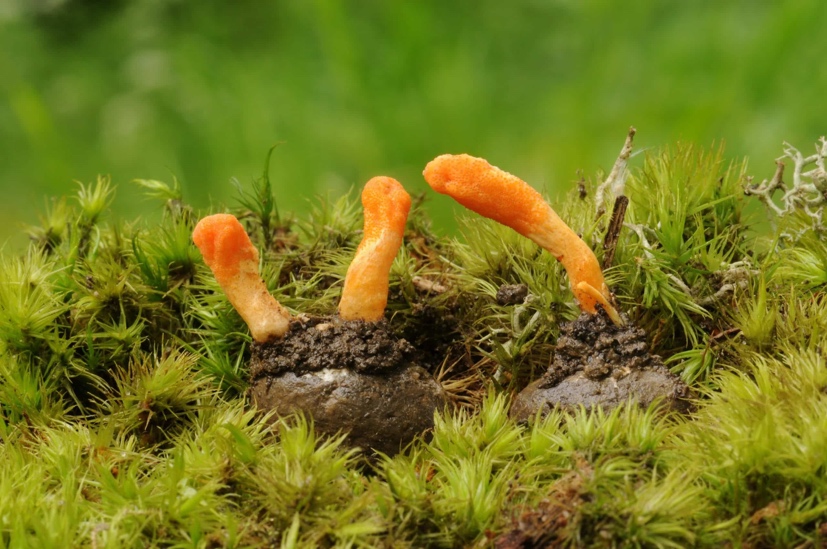
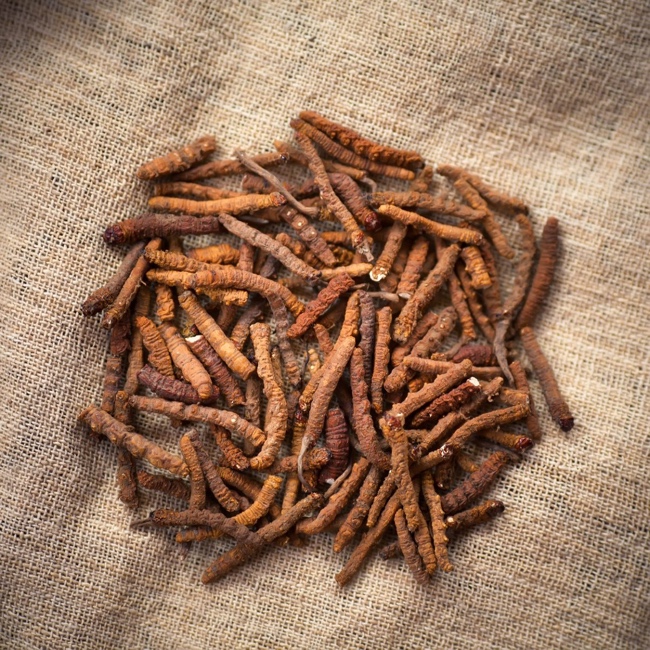
- Fruiting body
USES:
Anti-inflammatory
Neuro
- May help the body cope better with acute or chronic stress
- Calming
- Restores natural metabolic function during prolonged stress
- Good for convalescence
- Addiction recovery
- Neuroprotective
- Improved cognition post-stroke and in Alzheimer’s
CV
- May help treat atherosclerosis – inhibits platelet aggregation and lowers cholesterol
- Helps prevent heart enlargement related to oxidative stress (contains adenosine)
- Reduces triglycerides
- Anemia – keeps iron stores within normal limits
- Cardiotonic
Respiratory
- Reduces allergies and allergic rhinitis
- Good for dry cough suppression
- Expectorant
- Asthma, bronchitis – opens airways
- Lung tonic
- Lung tissue protective
- Chronic respiratory conditions
GI
- Hepatic
- Improves GALT function
- Improves normal gut flora
- Effective against Helicobacter pylori
- Hepatoprotective
- Potentially lowers harmful gut bacteria
Endocrine
- May help decrease blood sugar and lipid levels
- Enhances insulin production by improving function of Beta cells
- Suppresses adipogenesis and lipid deposition
- Reduces insulin resistance
- Maintains hormonal health and balance
- Balances the neuro-endocrine axis
GU
- Diuretic – helps clear waste
- Good for chronic kidney disease
- Kidney tonic
- May reduce graft rejection in kidney transplant – clinical studies in China show improved graft function and less rejection, but no significant improvement in graft or patient length of survival
MS
- May help increase production of ATP,
- May improve the way the body utilizes oxygen, especially during exercise
- Long distance or altitude training (helps increase hemoglobin via preserving iron stores)
- Enhances recovery after exercise or illness
- Less muscle damage
- Faster cell repair
- May reduce arthritis (anti-inflammatory)
- Enhances energy levels
- May improve osteoporosis (calcium-preserving)
Integumentary
- Reduces UV stress
- Anti-aging
- DNA repair
- Increases the production of collagen
- Antioxidant
Immune
- Immunomodulator
- Increases the growth rate and activity of immune cells
- Increased phagocytosis
- Rise in lymphocyte production in spleen
- Activation of macrophages and proinflammatory cytokines
- Increases the actions of the adaptive immune response
- Antibacterial
- Staph aureus
- coli
- Mycobacterium tuberculosis
- Helicobacter pylori
- Antiviral
- Slows HIV progression
- Herpes simplex
- Epstein-Barr Virus
- SARS
- Covid-19
- Works well in combination with medications as a Hepatitis C protocol
- Antifungal – Candida
- Helps reduce allergic responses in asthma
Reproductive
- Increases libido in men and women
- Reduces premature ejaculation
- May regulate menstruation
- May influence estrogen levels during menopause – relieving symptoms
Oncology
- Inhibits growth of and/or has cytotoxic effects against
- Lung
- Colon
- Melanoma
- Liver
- Leukemia
- Breast
- Lymphomas
- Prostate
- Hepatocellular
- No toxicity against normal cells
- Reverses leukopenia
- Protects against radiation-induced bone marrow injuries
PREPARATION:
- Infusion
- Tincture
- Capsules
Notes:
* A double extraction technique is best for cordyceps tinctures; see your Product Formulation module
* Powder may be sprinkled in soups or stews, or added to smoothies
SIDE EFFECTS AND TOXICITY:
- May cause
- Dry mouth
- Bloating
- Rash
- Appetite suppressant
- Do not use if you have an allergy to molds or fungi
- Avoid if using anticoagulant or antiplatelet drugs – increased risk of bleeding
- Avoid if taking testosterone
- Caution in those with autoimmune diseases due to increasing the immune response
- Stop taking before surgery – ensure the anesthetist and surgeon know you are taking cordyceps
MISCELLANEOUS:
- Used as medicine in China for hundreds of years – once reserved solely for the emperor’s use
- In the animal kingdom, cordyceps invades the brains of insects and other arthropods (butterflies, caterpillars), forces them to climb to extremely high heights; they then die and the fruiting body grows out of the head of the insect
- Endangered in the wild – it is now cultivated in greenhouses and labs
- Original species used was cordyceps sinensis; now being substituted with cordyceps militaris – both have similar properties