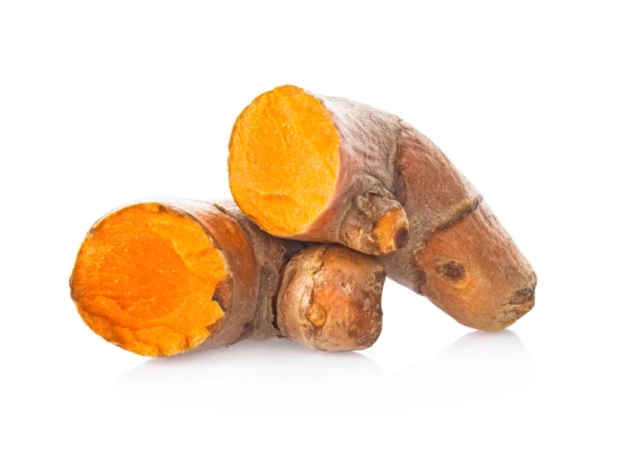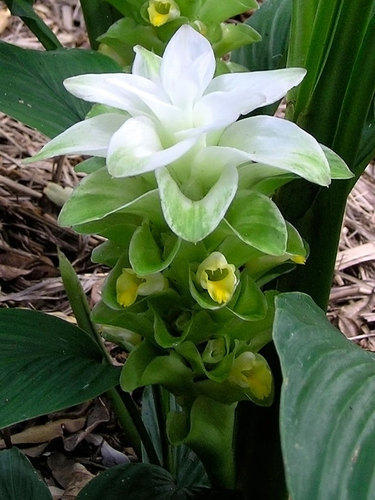

PARTS USED:
- Root, rhizome
USES:
GI
- Digestive stimulant – enhances the activities of digestive enzymes
- Gastric ulcers – treatment and prevention
- Carminative
- Bitter
- Dyspepsia
- GERD
- Flatulence
- IBS, colitis
- Helps in the breakdown of proteins
Hepatoprotective
- Promotes healthy function
- Supports the body’s natural detoxification
- Jaundice – helps reduce bilirubin
- levels
- Promotes bile production and flow
Anti-inflammatory – acute or chronic
- Suppresses inflammatory pathways
- Acute lung injury
- Ear inflammation
- Anti-inflammatory and antioxidant properties found to be greater than those of hydrocortisone (studies)
- Helps suppress pain associated with
- inflammation – depletes nerve
- endings of Substance P
- Internally or externally to strengthen joints, tendons, ligaments
- Osteoarthritis
- Rheumatoid Arthritis
Antioxidant
- Protects against free radicals and oxygen toxicity
- Reduces DNA damage – protects against DNA breakage
Anti-tumour
- Chemopreventive and chemotherapeutic actions
- Inhibits cancer development and progression – targets multiple steps in the development pathway:
- Prevents activation of cancer cells
- Supresses growth and proliferation
- May also function as a chemosensitizer, helping to enhance the activity of chemotherapeutic drugs
- Radioprotective effects for normal cells, and radio-sensitizing effects for cancer cells
- May inhibit pathways that lead to resistance
- Adjunctive therapy in cancer/pre-cancer
- Animal studies and human clinical trials for a variety of cancers:
- Multiple myeloma
- Pancreatic
- Colon
- Colorectal
- Duodenal
- Stomach
- Esophageal
- Oral
- Bladder
- Breast
- Skin
- Myelodysplastic syndromes
- Cervical
- Gallbladder
Skin Health – helps to cleanse impurities and support a clear complexion
Anti-cholesterol
- Increases conversion of cholesterol into bile salts
- One clinical trial showed equal effectiveness as atorvastatin in DM2 patients
Antibiotic
- Salmonella
- Staph aureus
- Antiseptic for cuts and burns
- Inhibits neutrophil and lymphocyte function – helping to reduce the strength of the inflammatory response
Iron chelator
Heavy metals detoxification – binds copper, manganese, and iron
Cardioprotective
- May improve health of cardiac endothelial lining (this lining helps regulate bp)
- Decreases the risk of heart disease
Alzheimer’s
- May help delay or reverse Alzheimer’s (minimal human studies so far)
Depression
- May help with major depressive disorder (Clinical studies show effectiveness equal to Prozac)
Nervous system
- Regenerates and protects nervous system cells – good for cerebral health
- Anxiety
- Mood lifter
- May increase brain levels of BDNF – a gene responsible for neuronal life
- Neuros can form new connections and pathways in the brain; in certain areas they can multiply and increase in number
- Potential to improve memory and learning
- Decreased levels of BDNF is linked to Alzheimer’s and depression
- Protects against brain ischemia
- Studies show curcuma oil delayed neuronal death – potential for treatment in CVA, brain injuries
HIV
- Inhibits HIV-1 and -2 expression in AIDS-infected cells
COPD – may help fight the oxidative stress believed to underlie COPD, while blocking inflammation at the molecular level
Topical healing
- Wounds, bites, burns, acne, psoriasis and various other skin issues
- Diabetic wounds
Eye health – may prevent eye degeneration
Diabetes
- May help lower insulin levels and decrease metabolic disorder (insulin resistance, high glucose, hyperlipidemia) – Clinical studies
- Ingestion of curcuma oils inhibits blood glucose elevation and formation of abdominal fat – Animal studies
Inhibits platelet aggregation
PREPARATION:
- Decoction – can use water or oil-based menstruum ie coconut milk
- Tincture
*Note: Curcuma doesn’t absorb into the bloodstream very well. Take with black pepper (piperine constituent) – helps with bioavailability. Alternatively, you can also take it with Bromelain
SIDE EFFECTS AND TOXICITY:
- Monitor closely if using anticoagulants or anti-platelet drugs
- Use with caution in gallstones and gastric ulcers
- Sensitivity issues – GI disturbances, skin issues
MISCELLANEOUS:
- Turmeric is used in the South Asian and Middle Eastern markets for spice, , perfumes, cosmetics and medicine. It gives curry its distinctive yellow color and flavor. It is also used as a coloring agent in cheese, butter, and other foods
- In Ayurvedic medicine, turmeric is used as a treatment for various respiratory conditions, such as asthma, bronchospasm, runny nose, cough, sinusitis
- Johnson & Johnson makes turmeric Band-Aids for sale in India
- In Pakistan and Afghanistan turmeric is placed on a piece of burnt cloth and placed on wounds as a cleanser and promote healing
- In Northern India women are given a tonic of fresh turmeric paste with powder of dried ginger roots and honey in a glass of hot milk to drink twice daily after childbirth. A poultice of turmeric is also applied to the perineum to aid in the healing of any lacerations in the birth canal
- In some parts of India, Bangladesh and Pakistan, a paste is applied to the skin of the bride and groom before marriage, where it is believed to make the skin glow and keep harmful bacteria away from the body
- Has been known to alleviate the hallucinatory effects ofhashish and other psychotropic drugs