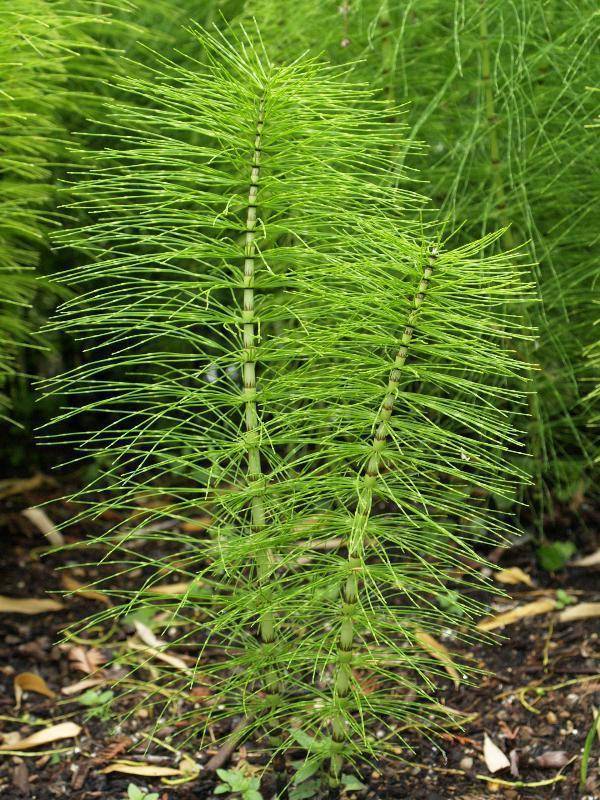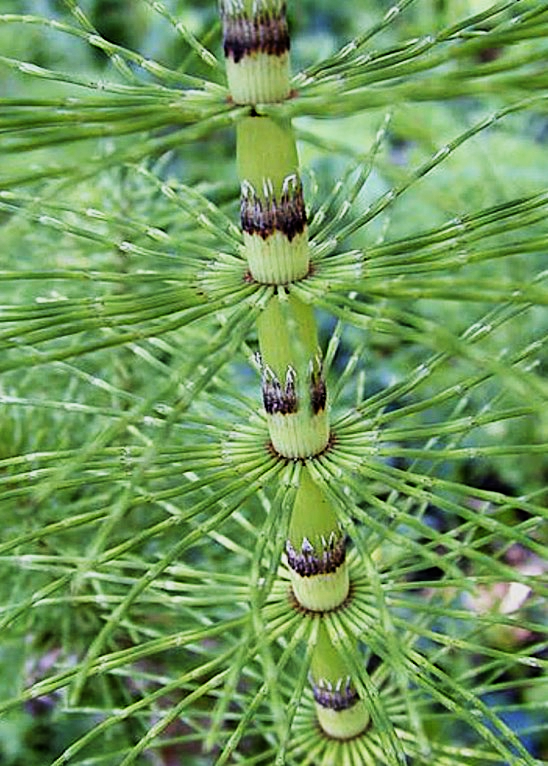

PARTS USED:
- Dried Stems
USES:
This herb is abundant in silica, which aids the body in healing and helps restore damaged tissue back to its healthy state, by removing uric acid, lactates and toxins from the extracellular matrix. Consuming Horsetail as a natural source of silica increases the body’s absorption of bone building minerals such as calcium, helping to provide relief from a whole host of structural diseases.
Anti-rheumatic
WBC stimulant
Musculoskeletal repair and tonic
- Contains lots of minerals which are good for connective tissues, hair, skin, nails
- Helps with bone, cartilage and muscle repair
- Inhibits osteoclasts; stimulates osteoblasts, improving bone density
- Improves the absorption of calcium
- Enhances collagen synthesis
- Good for osteoporosis, fractures, rheumatoid arthritis, jaw and tooth repair
- Connective tissue support
- Improves collagen and elastin beds
- Improves strength and elasticity
- Arthritis
Skin:
- Helps heal wounds and incisions by promoting the movement of leukocytes to the site of the wound to initiate the inflammatory phase
- Astringency helps stop bleeding
- Helps with episiotomy healing (particularly if applied right after suturing)
- May promote hair growth
- Promotes wound and incision healing
Anodyne
- May decrease pain in rheumatism
Restorative after pancreatic damage – aids in regeneration. May also lower blood sugar
Renal:
- Diuretic
- Excellent GU astringent
- May help pass kidney stones (helps clear uric acid)
- May help with gout (helps clear uric acid)
- GU system infections
- Has been shown to be helpful with incontinence and bedwetting in children
Vascular:
- Repairs bleeding arteries
- Varicose veins
Anti-inflammatory
- May inhibit lymphocytes
Antimicrobial
- Essential oil effective against Staph A, E. coli, Aspergillus, Klebsiella, Pseudomonas, Salmonella, Candida
Potentially hepatoprotective
Antioxidant
- Prevents damage to cell membranes
Restores strength to mucous membranes
- Sinusitis
- IBS
- Lung tissue
Anticancer:
- Prevents healthy cells from unhealthy mutations
- Actively combats cancer cells in colon, breast, and other primaries
Induces death of breast adenocarcinoma (studies)
PREPARATION:
Important to use as a tea for best extraction of the mineral content
- Infusion
- Tincture
- External (compresses)
- Hair tonic
Use up to one month, then take a break of at least 2 weeks or discontinue completely; long-term use contraindicated
SIDE EFFECTS AND TOXICITY:
- Do not use in clients with liver issues
- Check for interaction alongside antiretroviral (HIV) drugs
- May increase potassium to critical levels in people with renal disease/dialysis; another read says it may reduce potassium
- Breaks down Vit B1 (Thiamine)
- Contains traces of nicotine
- Another species of horsetail, Equisetum palustre, should not be used in place of E.arvense – potentially toxic
- Interferes with ability to eliminate lithium – do not take if taking lithium
- Not recommended for use in pregnancy/breastfeeding
MISCELLANEOUS:
- The buds are eaten as a vegetable in Japan and Korea in the spring time
- Has been used as an herbal remedy since the times of the Greek and Roman Empires, particularly as an astringent to stop internal bleeding
- Equisetum leeches heavily out of the soil, so if the soil is contaminated the herb will be too – ensure reliable sourcing
- Specifically uptakes cadmium and lead, so avoid using plants grown by the roadside
- Approved by European Medicines agency based on ‘traditional use’ – ie not a lot of clinical trials but the effectiveness is plausible and there is evidence that the herb has been used safely in this way for at least 30 yrs
- Horsetail is also known as scouring rush, as people used to bind its branches together and use them as a scouring pad to wash dishes
- The plant follows the doctrine of signatures: it has joints (good for joints and connective tissue) and it grows in wet sandy places (good for kidney flushing and elimination of gravel/stones)