
PARTS USED:
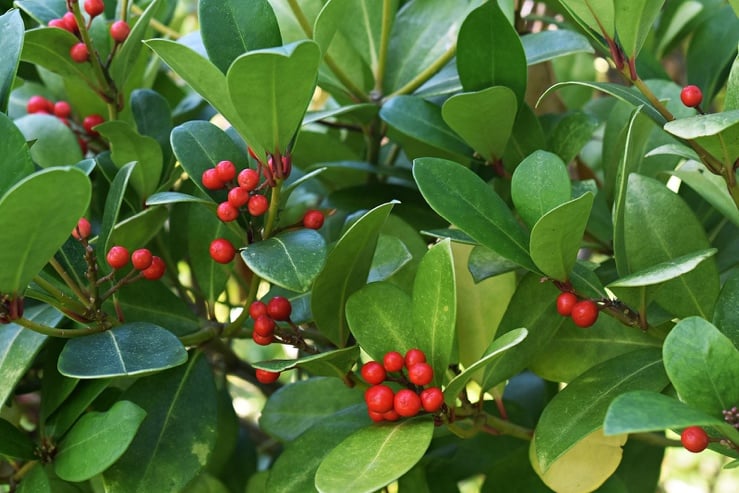
- Leaves, to extract the essential oil
- Stems
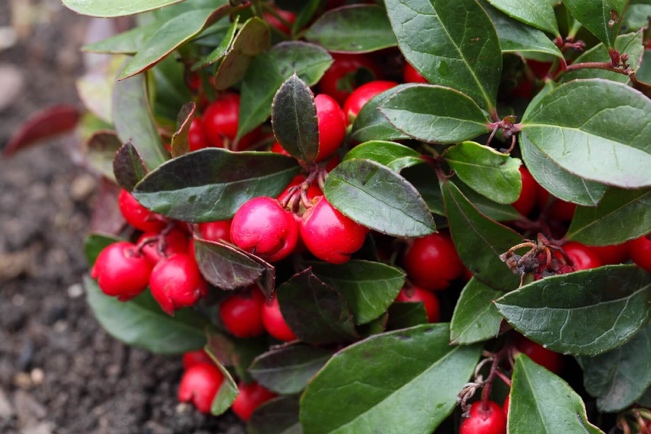
- Fruit
USES:
Anti-inflammatory
- Especially for musculoskeletal
- Back issues
- Sprains
Neuro
- Sciatica
CV
- Inhibits platelet aggregation (thins blood)
Respiratory
- Chronic mucous discharge
- Phlegm
- Sinusitis
- Post-nasal drip
- Tracheitis
- Colds
- Bronchitis, asthma
GI
- Hepatic regenerator
- Good for oral/dental pain and inflammation
Musculoskeletal
- Anti-rheumatic – rheumatoid arthritis
- Gout
- Post-Chikungunya joint issues
Integumentary
- Skin inflammation
- Anti-aging, anti-wrinkle
Reproductive – Antispasmodic
- Dysmenorrhea
- Prostatitis
Immune
- Stimulates immune cells
- Antimicrobial against Gram-positive and Gram-negative bacteria, particularly Klebsiella
- Antifungal against Candida albicans
- Inhibits pro-inflammatory enzymes
- Non-toxic to neutrophils
PREPARATION:
- Tincture – Under professional supervision only. Toxic if ingested in high quantities – MUST BE DILUTED
- Salve – Essential oil must be extracted by steam distillation. Gaultheria essential oils do not extract well in carrier oils.
SIDE EFFECTS AND TOXICITY:
- Do not use essential oil undiluted – can be absorbed through the skin and harm the liver and kidneys
- If experiencing tinnitus, reduce dose
- Can cause contact dermatitis
- Do not give to those with Salicylate allergies
- Do not use in pregnant or nursing women – can pass to fetus/newborn and cause toxicity
- Caution in use with children – extremely toxic; much lower doses are required
MISCELLANEOUS:
- The fruits were revealed to be the richest known dietary source of salicylates
- The oil is almost identical to that from Betula lenta (Sweet Birch)
- In small amounts, the berries can be used as a bitter tonic
- Essential oil is a flavouring agent for dental products, gum, candies