
PARTS USED:
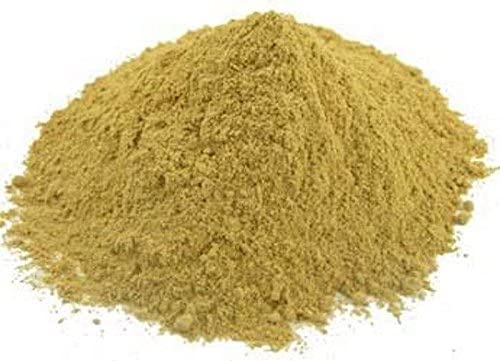
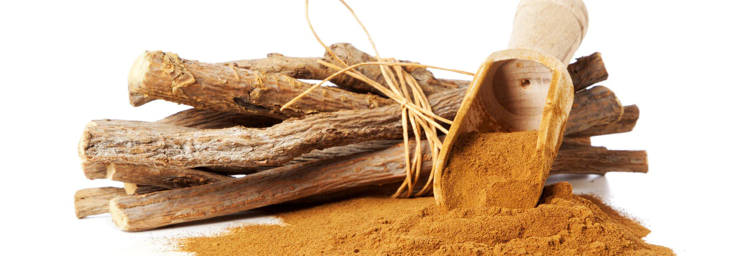
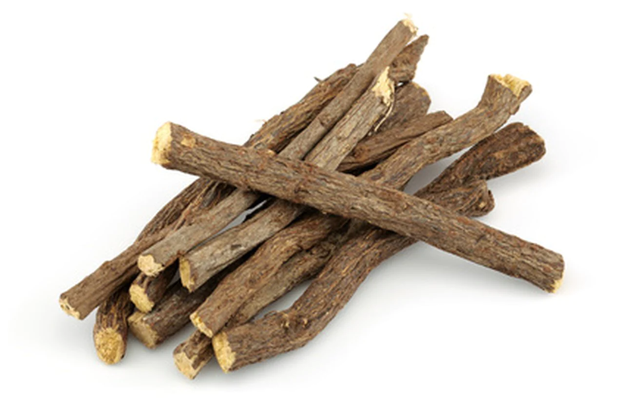
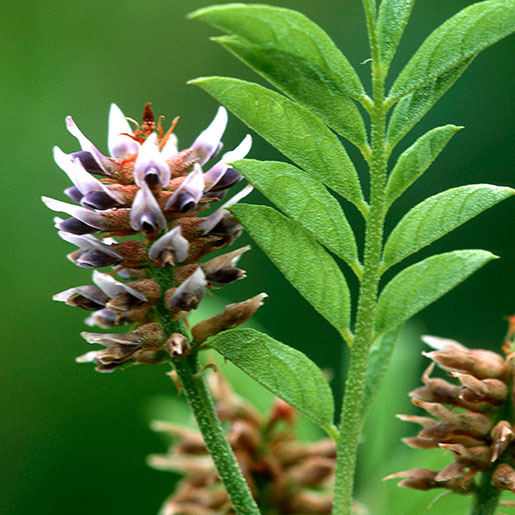
- Root
USES:
Liver:
- Support and healing
- Inhibits injury from many toxins
- Good for chronic hepatitis (B and C)
- Cirrhosis
- Reduces risk of hepatocellular carcinoma after contracting Hepatitis C
- For those with NASH (non-alcoholic fatty liver disease), clinical studies show that 2 grams of Glycyrrhiza per day x 2 months reduced LFTs
Respiratory:
- Demulcent
- Expectorant – specific for cough
- Antitussive – reduced cough by 35%
- Hoarseness, sore throat
- Improves effectiveness of bronchodilators
- Bronchitis
- Asthma
- COPD
GI:
- Specific for ulcers, colitis, gastritis
- In conjunction with standard antibiotic therapy, helped eliminate H. pylori 83% of the time
- Mild laxative
Adrenal support:
- Powerful aldosterone-like action – triterpene saponins are metabolized to resemble adrenal hormones
- Nourishes adrenal glands
- Overuse of steroids – helps rebuild our own production of steroids
- Addison’s disease
Soothing effect on mucus membranes:
- Throat
- Mouth
- GI
Anticholesterolemic – as low as 0.1g per day x 30 days reduces total cholesterol by 5%, LDL by 9%, and triglycerides by 14%
Anticonvulsant: animal studies show it increases seizure threshold
Antimalarial (studies)
Immunomodulator:
- Stimulates immune cells (CD4 and CD8 T-cells)
Anti-inflammatory:
- Related to adrenal support
- Dysmenorrhea/cramping (relaxes uterus)
- Use topically for skin inflammation
- Anti-thrombin action
- Does not inhibit prostaglandin synthesis
Phytoestrogenic properties:
- May help with symptoms of menopause – reduction in frequency and severity of hot flashes with as little as 0.33 grams per day (symptoms return with cessation of treatment)
Antimicrobial:
- Inhibits growth of DNA and RNA viruses
- Herpes simplex
- Herpes zoster (Chicken pox, shingles)
- HIV (in vitro)
- SARS/Covid (in vitro)
- RSV (in vitro)
- Hepatitis B and C
- EBV (Epstein-Barr)
- Influenza-A
- Significant antibacterial activity against Staph aureus, E. coli and Pseudomonas aeruginosa (three of most significant bacteria in septic patients)
- Topical application against Herpes, Chicken Pox, Shingles
Chronic fatigue: animal studies show potential for antistress effectiveness
Antitumor: Studies (in vitro and in vivo) are ongoing and glycyrrhiza has been found to either inhibit replication or limit tumor growth of:
- Endometrial
- Cervical
- Prostate
- Ovarian
- Breast
- Osteosarcoma
- Melanoma
- Adenoid cystic carcinoma
- Colon
- Non-small cell lung carcinoma
- Liver
- Note: Studies are showing cytostatic action, not cytotoxic
Antioxidant:
- Found to be over 100x stronger than the antioxidant activity of Vitamin E
- Induces interferon production
Hair growth – studies show regrowth is better than those using 2% Minoxidil
Oral issues:
- May help to prevent plaque, gum disease and tooth decay
- For mouth ulcers (canker sores): Gargling with warm water containing 0.2g of licorice powder QID x 7d improves pain by Day 1 by 75%, and results in complete healing by Day 3
Potential antidiabetic – awaiting human studies, but effective in mice
Memory-enhancing (studies)
PREPARATION:
- Decoction (Infusion is fine if using powdered root
- Tincture
SIDE EFFECTS AND TOXICITY:
- Can cause hypokalemia – there is a significant risk if someone is already taking potassium-depleting medications (ie many of the diuretics)
- Chronic use may lead to headache, numbness, edema, dizziness, reduced thyroid function, hyperaldosteronism
- Use with caution in anemia, HTN, heart failure, liver issues, renal insufficiency, hypothyroidism, fibrocystic breasts, erectile dysfunction
- Known to increase already-existing HTN
- Caution in pregnancy – may cause pre-term birth and growth issues in later life (minimal evidence)
- Avoid in breastfeeding – unknown if safe
- Disrupts the metabolism of many medications due to its interaction with enzymes in the liver; use caution with diuretics, hormone therapy, anticoagulants, cardiac glycosides, MAO-inhibitors, steroids or anti-hypertensives
Note: Most side effects occur at higher doses (20-30 grams/day); however, a person with pre-existing conditions such as HTN and/or renal disease, could potentially have adverse reactions with as little as 5 grams per day.
MISCELLANEOUS:
- The word Glycyrrhiza is derived from the Greek term glykos (‘sweet’) and rhiza (‘root’)
- Also known as “sweet roots”, which contains a compound that is roughly 50 times sweeter than sugar
- Most licorice candy is flavoured with Anise and not Licorice.
- Has shown promise as a memory enhancing agent in mice – as yet no human studies
- Used as a purgative for cows, goats and sheep
- Increases the milk production in cows and goats