
PARTS USED:
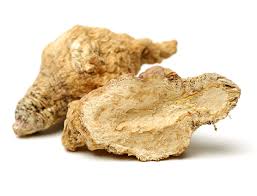
- Root
USES:
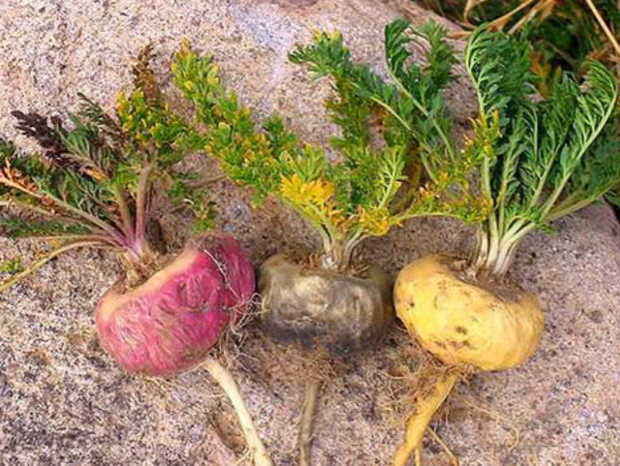
Three varieties – red, yellow (sometimes called white; sweeter), and black, each boasting slightly different health benefits. Yellow is the one used most for daily use. Red is considered feminine and used to nourish and nurture, as well as for female issues and prostate enlargement. Black is masculine – uplifting and energizing, and good for male issues
Antioxidant
Immune booster
Anti-inflammatory
Neuro
- Adaptogenic – helps the body cope with stressors – acute or chronic
- Boosts cognition, memory, learning
- Improves mood
- Antidepressant
- Anxiolytic, particularly in menopausal
women (GABA levels higher in red than
black)
- Improves metabolism
- Energy boost without jitters
- Potentially neuroprotective against
stroke, minimizes infarct volume
- Modulates HPA function
- Chronic Fatigue Syndrome
CV
- Boosts endurance
- Reduces blood pressure in menopausal women
- Antioxidants – may help prevent heart disease
- Acts as ACE inhibitor
- Helps with chronic mountain sickness for those having trouble adapting to altitude – helps prevent dangerously high levels of hemoglobin
- Improves blood health
GI
- Regulates fatty acid metabolism – can help in fatty acid liver disease
- Hepatoprotective – inhibits liver injury caused by hepatitis
Endocrine
- Improves thyroid health due to its iodine content
- Normalizes metabolism – improves glucose and lipid homeostasis
- Amphoteric effects on hormonal system
MS
- May speed up the healing response after strenuous exercise
- Boosts endurances
- Supports bone strength (Zinc) – may reduce incidence of osteoporosis in postmenopausal women
Integumentary
- Prevents oxidative skin damage
- May help protect against UV damage (animal studies)
Immune
- Antiviral against almost all Influenzas – reduces viral growth
Repro
- Decreases prostate size (red maca only)
- May increase sperm production and motility
- May Increases semen volume
- Reduces incidence in older men with hypogonadism resulting from decreasing testosterone levels
- Regulates estrogen levels
- Improves ovary health (animal studies)
- Combats antidepressant medication-related sexual dysfunction in women
- Reduces menopausal symptoms
- Hot flashes
- Fatigue
- Sleep issues
- Mood changes
- Loss of libido
- Improves sexual function
- May increase fertility
- Balances hormones
- Increases libido
Oncology
- Promotes production of antioxidants; may help prevent cancer
- May support increased WBC count during chemotherapy
- Chemoprotective (Glucosinolates)
- Mammary gland cancer
- Stomach
- Liver
- Prostate
PREPARATION:
- Decoction: Not recommended for medicinal purposes – the Glucosinolates and Alkaloids in Maca are sensitive to heat
- Tincture
- Powdered and sprinkled on meals or in smoothies
*Notes:
- Gelatinized maca is in reference to a cooking process so maca is easier to digest; there is no added gelatin
- Maca takes approximately 3 months to work
SIDE EFFECTS AND TOXICITY:
- Headaches – take with food to reduce this possibility
- Estrogenic – caution/avoid with HRT
- Caution with repro cancers, fibroids, endometriosis, thyroid issues
- Avoid if pregnant/breastfeeding
- High levels of Vitamin K – caution if taking anticoagulants
MISCELLANEOUS:
- Incan people call it ‘the food of the brain’
- Native to the high-altitude peaks of Peru’s Andes Mountains. Maca is a staple food for the native Quecha
- Can be used as a flour substitute in baking, added to soups and smoothies, etc.
- Referred to as ‘Peruvian Ginseng’
- Used as a love charm to inspire romantic interests for at least 500 years. The Inca were thought to have started cultivating this root 2,000 years ago as it was considered by them to be not only a highly valuable food source, but also a sacred gift from the gods.
- Used in Peruvian medicine to treat anemia, TB, menstrual disorders, memory loss, reproductive disorders, menopausal symptoms, and as an immunostimulant. Also traditionally used to treat certain cancers