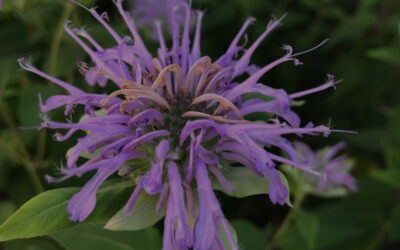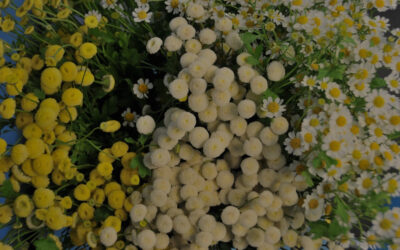

PARTS USED:
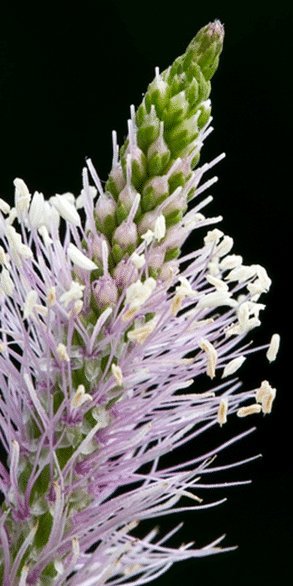
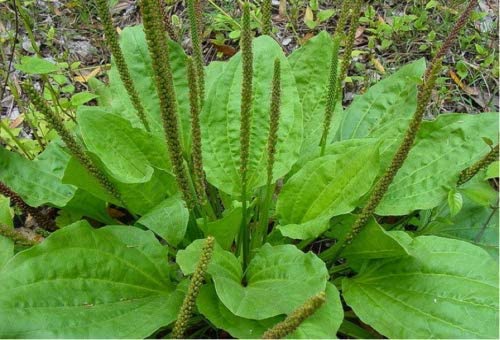
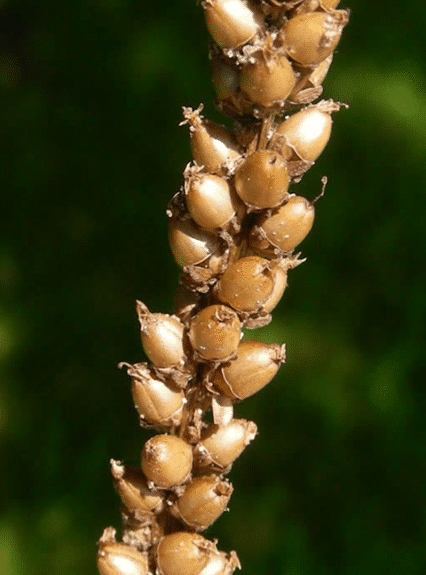
- Aerial parts – leaf, seeds
USES:
An ancient remedy with known usage as far back as 4000 years ago. Used in Arabic and European medicine
Healing properties – heals tissues; antimicrobial, especially topical
- Cuts and bruises
- Stings and bites
- Burns (as good as silver sulfadine – silver is an antimicrobial)
- Skin ulcers
- Anti-inflammatory
- Toothaches, oral sores, gingivitis
Analgesic
Astringent properties – drying; stops the loss of fluids, especially with open wounds
- Hemorrhage
- Heavy menstruation
- Hemorrhoids
- Diarrhea
Soothing Expectorant
- Asthma, bronchitis
- Chronic cough
Soothes GI tract
- Gastric ulcers
- Dyspepsia
- Irritable bowel syndrome (IBS)
Diuretic
- Helpful with urinary retention
- Helps flush kidneys/bladder
- Helps reduce the size of kidney stones
Liver Tonic and Healer
- Clears congestion
- Helps in drug toxicity/overdose
Earache
Anticonvulsant – used as treatment for epilepsy
Eye issues – conjunctivitis, styes – use juice of squeezed leaf or an infusion
Vitamin Content
- Magnesium
- Iron
- Calcium
- Vitamin A
- Vitamin C
May be useful for glycemic control in Type II DM (particularly the seeds)
Antimicrobial (Antibiotic, Antifungal)
- Thrush (crushed leaves and juice mixed with honey; let it coat the tongue – don’t swallow right away)
- Lung infections
- Skin infections
- GI infections
Immune-enhancing effects
- Antioxidant
- Stimulates lymphocytes
- Activates macrophages
- Shown to be effective in colon and cervical cancers; may be beneficial in cases of leukemia and other cancers
- Helps control allergies
Cardiovascular properties:
- Anti-cholesterolemic
- May inhibit progression of atherosclerosis
- Helps inhibit angiotensin converting enzyme
PREPARATION:
- Tea
- Tincture
SIDE EFFECTS AND TOXICITY:
- Higher doses can cause diarrhea in some people (mucilage)
- May irritate the GI system
- May cause nausea/vomiting