
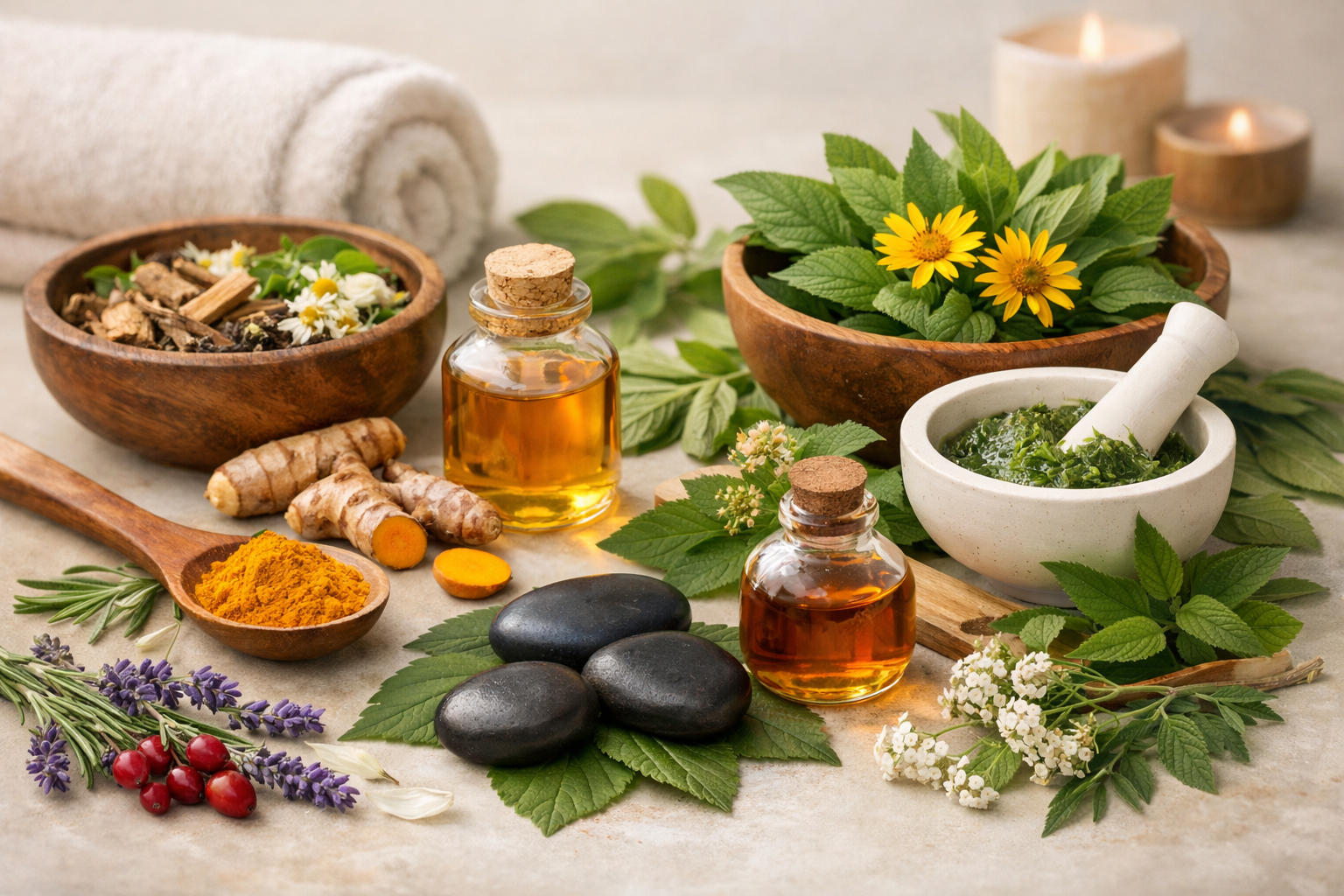

Muscle soreness is a common experience, whether it comes from physical activity, repetitive strain, stress, aging, or chronic inflammation. For many people, sore and achy muscles can interfere with daily movement, sleep, and overall quality of life. While conventional pain relievers may offer short-term relief, they do not always address the underlying causes of discomfort and may not be suitable for long-term use.
This is where anti-inflammatory herbs and traditional analgesic herbs offer a supportive, natural option. Herbal medicine has a long history of helping the body manage inflammation, reduce pain, and support tissue recovery in a gentle and holistic way.
At The Herbal Clinic and Academy, musculoskeletal issues are one of our specialties, whether from a sports injury or simply the aches and pains of everyday life. We approach muscle discomfort by looking at the whole picture—circulation, inflammation, nervous system tension, and recovery capacity—rather than focusing on symptoms alone.
Why Muscle Pain Happens in the First Place
Muscle soreness can develop for many reasons. Acute soreness may follow exercise, physical labour, or injury, while chronic muscle pain is often associated with ongoing musculoskeletal issues, such as unresolved inflammation, a poorly healed injury, or even postural issues.
Inflammation plays a central role in most muscle discomfort. While inflammation is a natural part of the healing process, chronic or excessive inflammation can delay recovery and increase pain sensitivity. In addition, poor circulation, nervous system tension, and metabolic waste buildup in tissues can worsen stiffness and soreness.
Herbal medicine works by supporting the body’s natural healing mechanisms, helping to calm excessive inflammation while promoting circulation and relaxation.
Anti-Inflammatory Herbs for Muscle Support
Anti-inflammatory herbs are commonly used to help reduce swelling, stiffness, and discomfort associated with sore muscles. Unlike conventional medications like steroids or NSAID’s, herbals don’t attempt to block the inflammatory process; instead, these herbs help modulate inflammatory responses so the body can heal more efficiently. They do so by a variety of actions – encouraging white blood cells to work more efficiently; turning on or off signaling pathways; or clearing the breakdown of debris from the site, thereby reducing pain and swelling.
Because muscle inflammation often overlaps with joint and connective tissue health, anti-inflammatory herbs are frequently used as part of a broader musculoskeletal support plan.
Analgesic Herbs and Natural Pain Relief
Analgesic herbs are traditionally used to help reduce the sensation of pain. They work through various mechanisms, including calming nerve signalling, relaxing muscle tension, and reducing inflammatory triggers that activate pain receptors.
Unlike synthetic painkillers, herbal pain relief strategies tend to be gentler and better suited for ongoing support when used appropriately. Many analgesic herbs are also calming to the nervous system, which is especially helpful when muscle pain is aggravated by stress or tension.
By supporting both physical and neurological aspects of pain, these herbs encourage greater comfort without masking underlying imbalances.
Muscle Tension, Stress, and the Nervous System
Not all sore muscles are caused by physical strain alone. Emotional stress, anxiety, and prolonged mental tension often lead to unconscious muscle tightening, especially in the neck, shoulders, jaw, and lower back. When the body remains in a heightened stress response, muscles struggle to fully relax and recover.
Herbal medicine recognizes the close connection between the nervous system and muscle health. Certain herbs, like Lemon Balm or Lavender, are traditionally used to support nervous system balance and promote relaxation. Many herbs can help reduce stress-related muscle tension and improve the body’s ability to release tight, overworked muscles.
Circulation and Recovery: An Overlooked Factor
Healthy circulation is essential for muscle recovery. Blood flow delivers oxygen and nutrients to tissues – when circulation is sluggish, muscles may feel stiff, heavy, or slow to recover. Herbal approaches to muscle care often include herbs that support circulation and tissue nourishment, helping muscles recover more efficiently after physical exertion or injury.
A holistic approach should also focus on carrying away metabolic waste products produced during muscle activity. Herbs that help cleanse the blood and lymphatic systems ensure that the body can rid itself of inflammatory by-products and avoid chronic conditions.
Supporting circulation is especially important for individuals who experience chronic muscle tightness, sedentary lifestyles, or age-related stiffness.
Topical vs Internal Herbal Support
Herbs for sore muscles can be used both internally and externally, depending on the situation. Internal herbal support focuses on systemic inflammation, circulation, and nervous system balance. This approach is often helpful either for widespread or recurring muscle discomfort, or as a means of targeting a specific area.
Topical herbal preparations, such as oils, creams, or compresses, work locally to soothe sore areas and improve circulation at the site of discomfort. These applications may provide faster sensory relief and are often used alongside internal herbal strategies.
A combined approach is commonly used for chronic issues. The Herbal Clinic and Academy has successfully treated knee, hip, and rotator cuff issues with its personalized approaches.
The Role of Inflammation in Chronic Muscle Pain
Chronic muscle pain often involves low-grade, persistent inflammation rather than acute injury. This type of inflammation may be influenced by lifestyle factors such as poor sleep, ongoing stress, inadequate recovery, or underlying health imbalances.
Anti-inflammatory herbs are often included in long-term wellness plans to help reduce this ongoing inflammatory burden, in a manner which emphasizes tissue healing and symptom suppression. By addressing inflammation gently and consistently, herbal medicine can improve mobility and comfort over time.
Lifestyle Habits That Enhance Herbal Benefits
Herbs, like conventional medicines, work best when supported by healthy daily habits. Adequate hydration, balanced nutrition, and regular movement all contribute to muscle health and recovery.
Stretching, gentle mobility exercises, and using safe movement techniques can all complement herbal support by improving circulation, reducing muscle tension, and increasing range of motion. Rest and sleep are equally important, as tissues repair and regenerate most effectively during periods of rest.
Stress management plays a critical role as well. Practices that calm the nervous system can significantly reduce muscle tightness and enhance the effectiveness of herbal pain relief strategies.
Why Personalized Herbal Guidance Matters
Although many herbs are traditionally associated with muscle relief, individual needs vary widely. Factors such as age, activity level, health history, medications, and the nature of muscle discomfort all influence which herbs are most appropriate.
A personalized approach ensures that anti-inflammatory and analgesic herbs are selected and used safely, effectively, and in alignment with each individual’s overall health goals.
Professional guidance is especially important for those managing chronic pain, inflammatory conditions, or ongoing muscle tension.
A Natural Path to Muscle Comfort
Sore muscles are not just a mechanical issue; they can reflect the body’s overall inflammatory state, nervous system state, and recovery capacity. Herbal medicine offers a holistic way to support muscle comfort by addressing these interconnected systems, thus improving mobility and enhancing overall well-being. At The Herbal Clinic and Academy, we believe that personalized herbal care, designed by a clinician specializing in musculoskeletal issues, can play a meaningful role in maintaining muscle health and long-term comfort.
For those seeking gentle and sustainable support, reach out to schedule a consultation.

0 Comments