
PARTS USED:
-
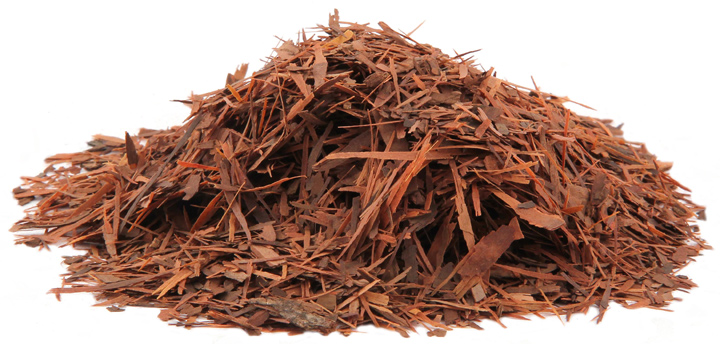
Inner bark
USES:
Anti-inflammatory – reduces pro-inflammatory markers and prostaglandin release
Antioxidant
Detoxifying agent
Neuro
- Possibly helpful in depression (animal studies)
CV
- May help reduce atherosclerosis
- Blood tonic
GI
- Improves inflammatory disorders such as colitis, diverticulitis
- Accelerates healing of gastric ulcers
GU
- Cystitis
- Diuretic
MS
- Anodyne – dose dependent; water extractions best
- Arthritis
Integumentary
- Oral and vaginal Candida
- Broken skin
- Abrasions
- Cuts
- Ulcers
- Blisters
- Eczema
Reproductive
- Dysmenorrhea – known to help slightly for
- Reducing pain
- Improving sexual interest
- Prostatitis
Immune
- Antiviral
- Candida
- Ringworm
- Herpes Simplex I
- Athlete’s Foot
- Antibacterial
- Staph aureus (including MRSA)
- Streptococcus
- coli
- Helicobacter pylori
- Pseudomonas aeruginosa
Oncology
- Encouraged apoptosis and tumour cell growth inhibition in post-menopausal breast cancer
- Potential against
- Liver
- Skin
- Prostate
- Uterus
- Oral
- Leukemia
PREPARATION:
- Decoction
- Tincture
Note:
* The cooled tea can be applied to the skin
SIDE EFFECTS AND TOXICITY:
- Oxytocic and teratogenic – do not use in pregnancy
- Do not use in patients taking anti-coagulants or with blood clotting disorders
- Do not use long-term at high doses
- Nausea/GI upset at high doses
MISCELLANEOUS:
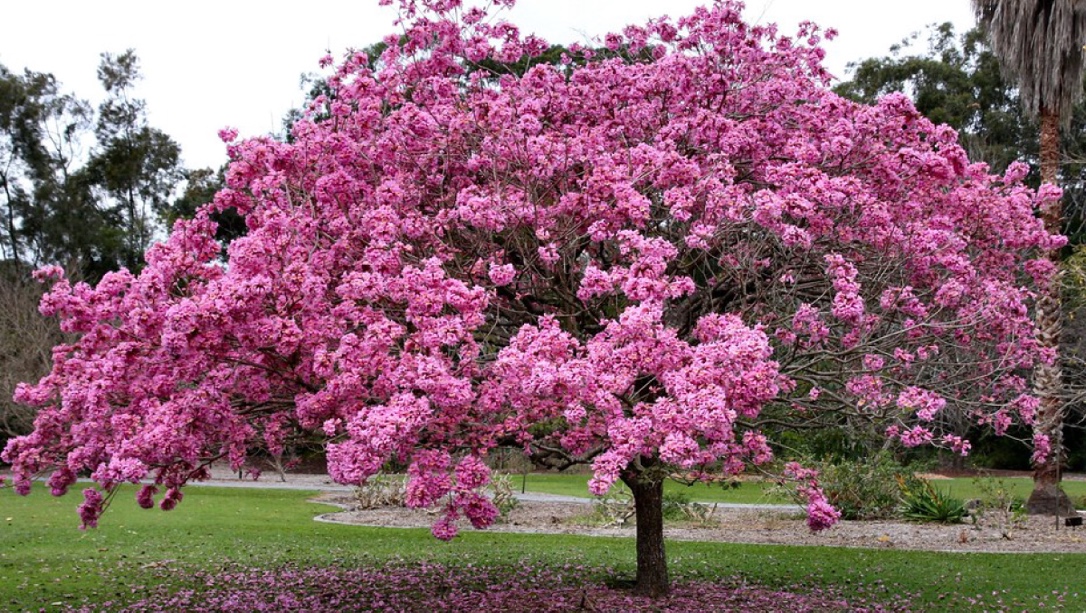
- Always buy Tabebuia bark in cut form for identification – often other bark is substituted
- Known as Teheebo, it has been used in South America for over 1000 years