
PARTS USED:
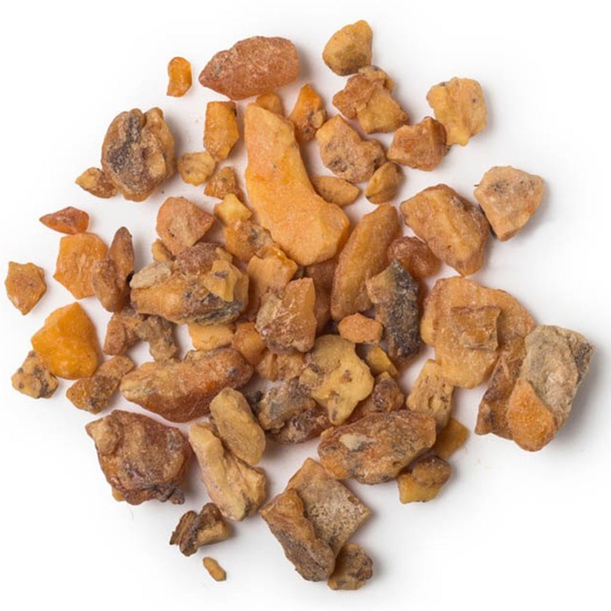
- Resin
- The branches and stems are edible
USES:
Anti-inflammatory
- Oral
- Tooth extractions
- Gingivitis
- Oral sores (Including Herpes)
- Topical
- Arthritis
- Muscle issues
- Gout
Antioxidant
Anti-tumour
- Cytotoxic activity
Anodyne
Immune system
- Regulatory effects of T and B lymphocytes, and NK cells
- Production of key cytokines
- Anti-complement activity
- Cytotoxic effects of NK cells
Integumentary
- Skin issues
- Wounds
- Anti-aging
- DNA repair
- Burns
- Psoriasis and eczema
- Prevents blister formation and nipple cracking
- Adhesive to increase the tackiness of dressings or medical devices
Nervine
- Anxiety
- Nervous disorders (social anxiety disorder, etc.)
- Incense produces a sweet smell that is said to uplift mood and stimulate the nervous system
- Sedative, relaxant, reduces stress
- Brings the nervous system back to normal
Cardiovascular
- Improves blood circulation
- Chest pain
- Inhibits hemolytic activity against erythrocytes (can be good in cases of renal failure)
Carminative
Diuretic
Antimicrobial
- Antifungal
- Staph aureus
- coli
- Poisons
Respiratory
- Chronic bronchitis
- Laryngitis
- URTI
- COPD
- Coughs
- Stimulating expectorant
PREPARATION:
- Infusion
- Decoction
- Tincture
SIDE EFFECTS AND TOXICITY:
- CYP3A4 inhibition
- In liver and intestinal microsomes
- Modulates the pharmacokinetic behaviour of various drugs:
- Macrolides
- Benzodiazepines
- HIV antivirals
- Immune modulators
- Calcium channel blockers
- Statins
- Some antivirals
MISCELLANEOUS:
- The earliest recorded medicinal history of Styrax was in the Tang dynasty, used to treat diseases caused by phlegm accumulation in the chest
- Referred to as ‘liquid gold’
- Used in religious ceremonies in Malaysia to drive away evil spirits
- The fragrant resin ‘storax’ is used in perfumes, incense, etc.
- The fruits are used to make rosaries and prayer beads
- In Sumatra, people put benzoin in burnt coffee, creating a vanilla-like fragrance to help with relaxation
- Mixed with tobacco and cloves in Central Java to produce a cigarette called Klembak menyan
- Romans and Greeks used it in their traditional dishes
- In Iran, it is mixed with cow’s milk and agar to create a remedy for male sterility
- In ancient Egypt, Styrax was ground to powder form and mixed with cypress, juniper, and pine to make a cone that dancers would wear on their heads
- In Jordan and Palestine, seeds are used for skin diseases and leprosy
- Used in incense form as an antimicrobial
- Used as a preservative – helps prevent the rancidity of fats