
PARTS USED:
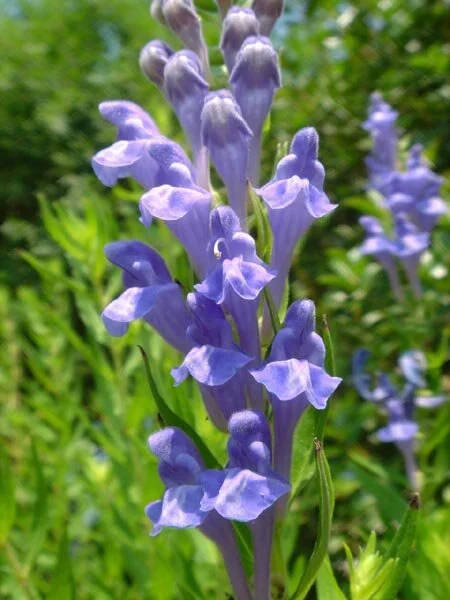
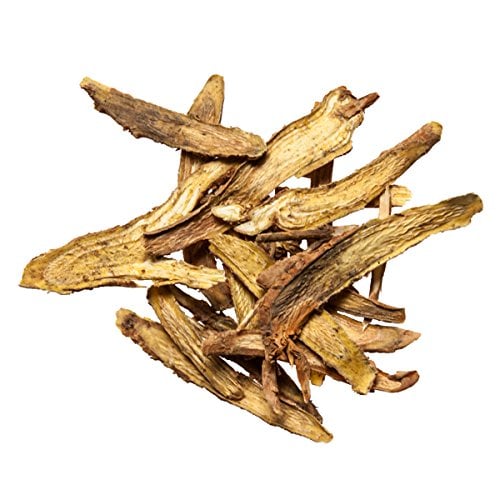
- Root
USES:
Antioxidant
Neuro
- Neuroprotective
- Helps reduce neuroinflammation, responsible for
- Dementia/Alzheimer’s
- Chronic Fatigue Syndrome
- Fibromyalgia
- Parkinson’s
- May stimulate brain tissue regeneration in tincture form
- Helps reduce damage after ischemic strokes (clinical studies)
- May help reduce damage after hemorrhage
- Insomnia; sleep-wake cycles
- May modulate depression (clinical studies)
- Used as an anticonvulsant in TCM
- Soothing nervine – good for anxiety, distress
- Helps minimize post-operative cognitive impairment
- Potentially helpful against hospital-induced delirium
- Inhibits proliferation of malignant glioma cells, either alone or in conjunction with chemotherapy
- Helps reduce neuroinflammation, responsible for
CV
- Vasodilator – lowers blood pressure
- Cardioprotective – Known to protect against cardiovascular issues related to diabetes
- Anticoagulant – inhibits collagen and arachidonic acid-induced platelet aggregation
- Enhances remodeling of new blood vessels after myocardial damage
- Protects against the effects of pulmonary hypertension
Respiratory
- Acute URTI
- Asthma, bronchitis
- Allergies/Allergic rhinitis
- Viral respiratory infections
GI – most GI benefits are best in water extractions
- Hepatoprotective
- Hepatitis
- Hepatic cancer
- Fatty liver disease
- Liver injuries (trauma, chemical, etc.)
- Gastroenteritis
- Crohn’s disease
- Infant diarrhea
- Regulates intestinal biome and bile acid release
Endocrine
- Helps manage Metabolic Syndrome and insulin resistance (all three flavonoids)
- Helps control the onset of related disorders such as hyperlipidemia, atherosclerosis, obesity, cataracts
- Improves glucose and lipid metabolism
- The ethanol extract has a synergistic effect when combined with metformin, in inhibiting gluconeogenesis
GU
- UTI’s
- Cystitis
- Diuretic
MS
- Osteoporosis
- Rheumatoid Arthritis
Integumentary
- Eczema
- DNA repair
- Sunburn
- Radiation damage
Reproductive
- Morning sickness
- May reduce endometriosis
- TCM uses it to quiet a restless fetus and to prevent miscarriage
Immune – strengthens the body’s natural defenses in acute or chronic issues
- Antipyretic
- Antifungal
- Antiviral
- Dengue fever (human studies)
- Herpes Simplex I
- H1N1
- Has shown strong HIV inhibition (in vitro)
- Antibacterial
- Salmonella
- Klebsiella
- Enterococcus
- Staphylococcus aureus, including MRSA
- Gram-positive and Gram-negative bacteria
- Ear infections
- Allergies
- Food allergies
- Dermatitis
- Allergic rhinitis
- Hay fever
- Reduces mast cell activation
- Blocks histamine release
- Inhibits prostaglandin production, reducing allergy-related inflammation
- Antioxidant
- Moderates autoimmune diseases
Oncology
- Via various mechanisms
- Apoptosis
- Reduces proliferation of tumour cells (damages mitochondria)
- Repairs DNA
- Non-toxic to healthy cells
- In vitro and animal studies show effectiveness against
- Squamous cell carcinoma
- Breast (very effective)
- Hepatocellular
- Prostate (very effective)
- Colorectal
- Lymphomas
- Myelomas
- Stomach
- Bladder
- Brain (gliomas)
- Oral
- Leukemia
- Delivered via oral route and infusions in studies
PREPARATION:
- Decoction
- Tincture
Notes:
* Generally used in formulation rather than on its own
* Can be bitter; add some stevia or another flavouring herb
SIDE EFFECTS AND TOXICITY:
- Used in TCM for a number of pregnancy-related conditions including morning sickness, but there is not enough evidence to know of its safety to the fetus/infant, so it is best to avoid during pregnancy and breastfeeding
- Do not use if there are coagulation abnormalities or if patient is taking anticoagulants
- May interfere with efficacy of statins
- May increase the risk of side effects if patient is on CYP450 substrate medications or herbs (nicotine, some antibiotics and anticonvulsants; Hypericum) – research is limited
MISCELLANEOUS:
- Although it has a bitter taste, the leaves can be eaten as a vegetables
- Evidence shows this herb was used as early as the Zhou Dynasty over 3000 years ago.
- First documented in the Shennong Bencaoging in about 200-250 AD
- Not harvestable until its second or third year of growth