
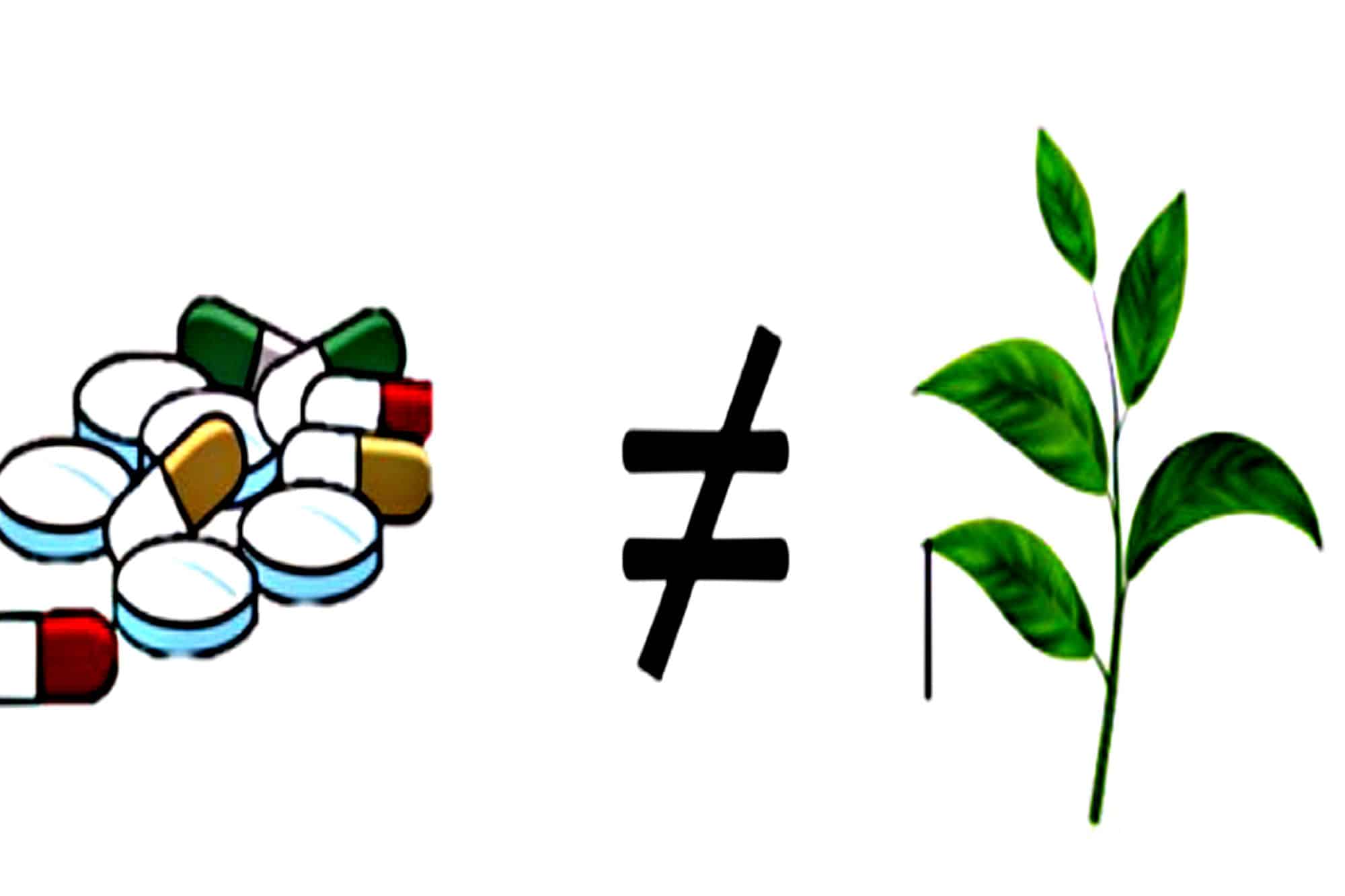

Why Should I Replace My Pills with Plants?
I get this question a lot. The short answer is, you shouldn’t! Herbals don’t work that way – there is no value in “organic pharmacology,” nor is that the goal with Herbal Medicine.
So, how, then, does herbalism differ from pills and ointments and anything else your MD prescribes? Hundreds of years ago the only medicine available came from plants, and approximately 40% of the medications in use today originate from the plant world – Aspirin, Digoxin, Morphine to name a few. Modern medicine, with the help of chemistry, has evolved, however – we now know which chemical constituents of a plant have which actions, and so now instead of using the entire plant we now isolate certain active chemical constituents from the plants in an effort to better target the ailment in question.
I’m sure you’ve heard the term “holistic medicine,” and to a certain extent the current medical model is holistic in that it considers the whole physical person, and tries to restore a person to wholeness. What modern medicine fails to consider is the non-physical part of a person – what’s going on in a person’s life, their thoughts around the medical issue, their temperament, their organ’s affinities towards illness, etc. Humans are not standard-issue models with identical genes – all these things affect our illness and our response to an illness, and a healer needs to think of the body not as a disease or a diagnosis but as an entire ecosystem where one part affects another.
For instance, a simple cough. There are well over a dozen plants known to help treat a cough, and each one works best in certain conditions. A cough related to an allergy is certainly different than a cough related to the common cold. A pharmacological approach doesn’t care – you get Benylin for a suppressant and Robitussin for an expectorant. Neither of these will consider whether you are a smoker and might need some additional soothing measures due to long-term damage, neither will consider that you may be in a febrile state with a cold, and need something cooling rather than warming. It’s the same with, say, a skin problem. What’s causing the problem – a topical reaction vs a problem with your liver’s ability to clear toxins? You apply a cream to the rash without knowing what caused the rash in the first place, and you may or may not see good results.
This is the primary area where herbs and medicines differ: Herbs have a variety of properties that should be matched with the state of the tissues; they are not just one isolated chemical! Getting this wrong could be the reason why some pills work and others don’t. Can you see the limitations of modern medicine a bit better now? By the way, it’s the same with herbs – take a herb that doesn’t match the state of the tissue, and it’s probably not going to work. Herbs heal through their chemistry just like pills do, so it’s important that you individualize the approach to healing.
So what can herbals do that modern medicines can’t? We look at imbalances and attempt to restore that balance, rather than looking at a problem and trying to get rid of it. Think of herbals as a nudge in the right direction. They can
- Help support your adrenal glands (the ‘stress hormone center’) and provide an environment where the body is more able to deal with the stressors of illness and begin to heal itself. Modern medicine has no equivalent.
- Provide anti-inflammatory results that target specific areas of the body, rather than a one-size-fits-all ibuprofen (which, by the way, can harm the stomach lining, whereas many anti-inflammatory plants have built-in stomach protection)
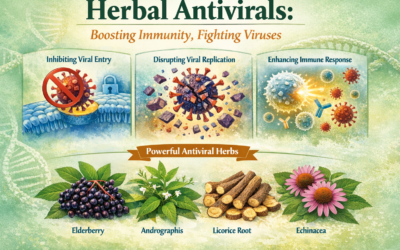
- Boost your immune system and offer defences – there are no pills that can do that! (Think about it – plants have to protect themselves from pathogens; why not use those same properties to protect ourselves from pathogens!?)
However, much like modern medicine is not a cure-all, neither are herbs – they have their limitations too. So what can’t herbals do? Over time, herbals can minimize most disease states, but the problem is that in many cases, sometimes you need a quicker fix – for instance, high blood pressure, diabetes, anemia. The nudge of herbals might not be appropriate for all acute conditions, but modern medicine is great in this arena – think of pharmacology as a shove rather than a nudge!
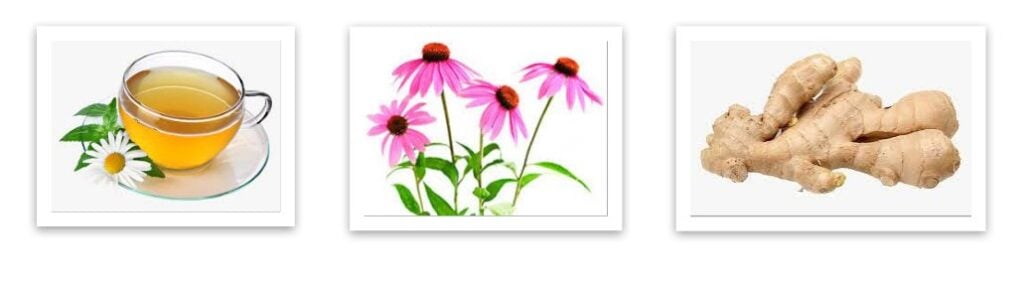
We already use herbs for a variety of reasons: Chamomile tea for sleep, Echinacea for preventing colds, Ginger for nausea. So next time you think you need a medicine, consider seeing a credentialed herbalist, and he/she will be able to tell you whether a herbal approach is right for your condition. But don’t think of it as just substituting a plant for a pill – be prepared for a truly holistic approach to your health.
If you have any questions about this article, please leave a comment below or contact me directly at info@theherbalclinicandacademy.ca
0 Comments