
PARTS USED:
- Whole plant
USES:
Anti-inflammatory
- Inhibits pro-inflammatory cytokines
Antioxidant
- Free radical scavenger
CV
- Reduces calcium deposition in the aorta, helping
to alleviate Aortic Stenosis
- Anticholesterolemic
Respiratory
- Bronchitis, asthma – opens airways via reducing inflammation; alleviates wheezing
- Pneumonia
- Sore throat, laryngitis -tincture may be used as a throat spray
- Sinus infections – tincture may be used as a nasal spray
- Expectorant – reduces congestion in the upper and lower respiratory tracts, particularly in the presence of infection
GI
- Chron’s and colitis
- Poor digestion
- Diarrhea
- Cholecystitis
- Peritonitis
- Bleeds
- Hemorrhoids
- Ulcers
- Ineffective against Typhoid or Cholera
- Increases metabolic rate
- Found in weightloss solutions
- Hepatoprotective
- Regulates lipid levels in the blood, removing excess cholesterol and triglycerides
- Increases HDL, reduces LDL
- Reduces blood levels of AST and ALT
- Potential as an antidiabetic drug (animal studies in progress)
GU
- UTIs
Reproductive – may be used as a periwash or douche
- Vaginal Candida
- Vulvo-vaginitis, bacterial vaginosis
- Chlamydia
- Topically for Mastitis or inflammation related to breastfeeding
Integumentary
- Usnic acid is shown to increase collagen formation
- Topical vulnerary for wounds, burns, infections
Immune
- Powerful immune stimulant
- Antipyretic
- Antimicrobial
- Gram-positive infections
- Enterococcus
- Staph
- Strep
- Not as effective against Gram-negative infections; Pseudomonas is the exception
- Adjunct to TB therapy
- Gram-positive infections
- Antifungal
- Candida
- Athlete’s foot
- Ringworm
- Antiparasitic
- Malaria
- Of questionable benefit for viral infections, but does well in a supportive role for the immune system
- Herpes
- HIV
- Chronic fatigue syndrome
- Heavy metal poisoning
Oncology
- Antineoplastic and antimitotic properties (in vitro studies only)
- Prevents cancer cell growth and spread
- Apoptosis
- As an adjunct in cancer treatment to support lymphatic system and immune health
PREPARATION:
- Infusion
- Tincture
Note:
* Usnea is not very water soluble; much less effective than a tincture. Ethanol tinctures have 3x higher extraction than water
SIDE EFFECTS AND TOXICITY:
- Usnea is a chelator and can have heavy metal concentration if not sourced carefully
- Potentiates Clarithromycin’s actions
- Potentially hepatoxic in large doses
- Not recommended internally during pregnancy – not enough safety evidence
- Safety levels during breastfeeding are not clear
- Caution in auto-immune disorders – can increase an already- heightened immune response
- Can cause n/v, diarrhea in high doses
MISCELLANEOUS:
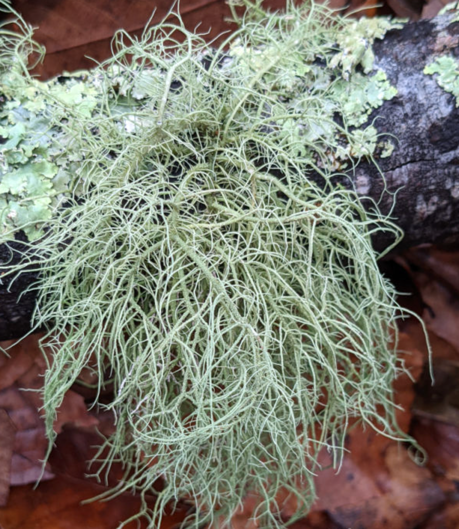
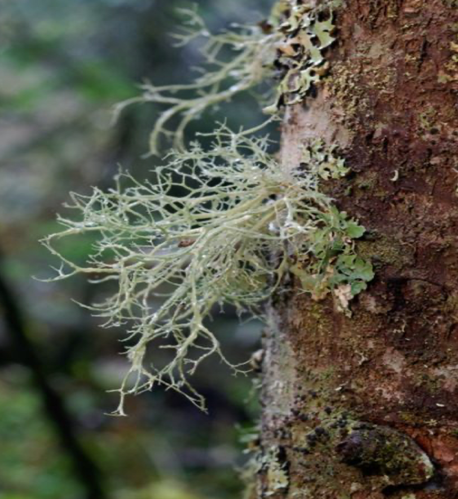
- Usnea is classified as a lichen – a combination of a fungus and an alga. The algae component is the greenish-grey ‘coat’ and the white stretchy threadlike in the middle is the fungus. The white, rubber band-like middle fungus is the identifying feature of Usnea when compared to other, similar lichen
- Can be found growing on conifers, oak, and fruit trees throughout the Northern Hemisphere
- Lichens grow and reproduce slowly – take only what you need
- Usnic acid was first isolated in 1844 and since then has become the most studied lichen metabolite. Usnea contains the highest levels of Usnic Acid in the autumn – best for harvesting
- Many cultures utilize Usnea to support health
- Ancient Greeks
- Early North American tribes
- East Indian cultures
- The Haida used Usnea to strain contaminants from their other medicine brews
- Used as a soil stabilizer to remove contaminants
- Due to its effectiveness against Gram-positive bacteria, Usnea is being considered as a food preservative
- The fresh lichen can be used as a dressing for wounds
- Can be used in place of menstrual pads