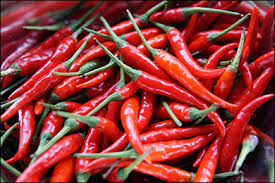

PARTS USED:
- Fruit
USES:
Circulatory Stimulant
- Causes vasodilation
- Any situation where there is poor circulation
- Reduces hypertension – vasodilation and ACE-inhibition
- Controls tachycardia
- Cardiac tonic/cardioprotective
- Helps regulate bloodflow and strengthen cardiac structures
- Helps protect against atherosclerosis
Anticholesterolemic
- Enhances HDL; reduces LDL, total cholesterol and triglycerides
Diaphoretic
GI
- Flatulence
- Dyspepsia
- Gastric ulcers
- Colic
- Stimulate salivary glands to promote saliva, aiding in digestion
- Stimulates gastric bloodflow
- Increases peristalsis
- Increases blood supply to digestive organs, improving their functioning
- Might activate pancreatic lipase release
Nerve Issues
- Trigeminal neuralgia (topical or direct injections)
- General neuralgia
- Fibromyalgia
- Diabetic neuropathy
- Shingles
- Sciatica
- Topical for neuropathic pain – causes enhanced sensitivity initially, followed by reduced sensitivity with repeated applications
Respiratory
- Loosens mucous
- Rhinitis
- Airway inflammation
- Cough suppressant
Glucose Regulation
- Improves postprandial hyperglycemia
- Reduces hypoglycemia episodes
- Increases hepatic glycogen storage and reduces hepatic glucose release
- Helps prevent gestational diabetes
- Reduces GI glucose absorption
- Higher doses (10g) promoted carbohydrate metabolism (clinical studies)
Anti-inflammatory – acts on TRPV1 receptors, which have a role in inflammation, oxidation stress, and pain reception
Antioxidant – see above
Pain
- Works by overstimulating nociceptors located in the brain, nerves, dorsal root ganglia, bladder, gut, and blood vessels; these then become desensitized and no longer able to respond to a pain stimulus
- Musculoskeletal (topically or internal)
- Arthritis
- Osteoarthritis
- Rheumatoid arthritis
- General muscle pain and spasms
- Dental/Oral pain
- Studies done on injecting straight into oral cavity tissue – pain reduction
- Topically
- Gargle
Metabolic Syndrome (clinical studies)
- Lipid-lowering
- Antihypertensive
- Antidiabetic
- Anti-obesity
- Increased energy expenditure – improves fat burning via the activation of brown adipose tissue
- Increased lipid oxidation
- Reduced appetite
- Increases metabolic rate/promotes thermogenesis
- Prevents adipogenesis
- Chronic kidney disease
- Helps reduce risk of mortality due to CV disease
Rubefacient
Renal-protective
- Improves glomerular filtration rate
- Helps prevent salt-induced nephron damage
- Enhances natriuresis and diuresis
PREPARATION:
- Tincture
- Topical
Notes:
* Best tolerated orally if taken with food
* Should only be used in adults
* Should not be used continuously for more than 3 weeks. After 3 weeks a break is required
SIDE EFFECTS AND TOXICITY:
- Cough, nasal congestion, andeye irritation may occur through stimulation of nervous system
- Take with food. Reduce dosage or pause usage if you have symptoms of:
- Indigestion/Reflux
- Anal burning
- Stomach pains
- Diarrhea
- May cause rash when used topically. Reduce usage
- May cause transient increase in heart rate and blood pressure
- Do not use for longer than three weeks at a time, internally or externally, without taking a 1-2 week pause
- Avoid during pregnancy and lactation
- Metabolism of medications may be affected
- Use caution with antihypertensives, antiarrhythmics, anticoagulants
MISCELLANEOUS:
- ‘Chili’ is the Aztec name for cayenne pepper
- Capsicum has been used by Native Americans as food and medicine for at least 9000 years
- Originating in Mexico/Southern USA, capsicum was introduced into traditional medicines around the world – Ayurvedic, TCM, Japanese and Korean
- Used in Ayurvedic medicine as an appetite suppressant