

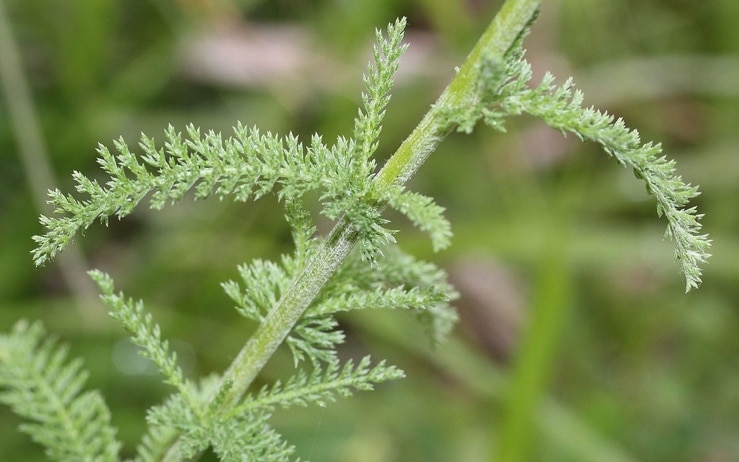
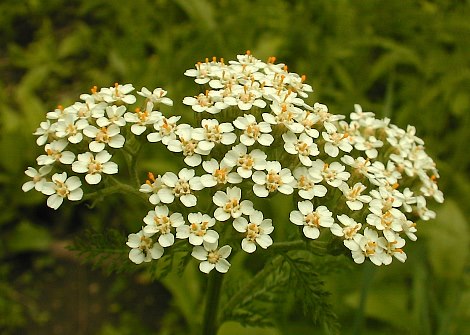
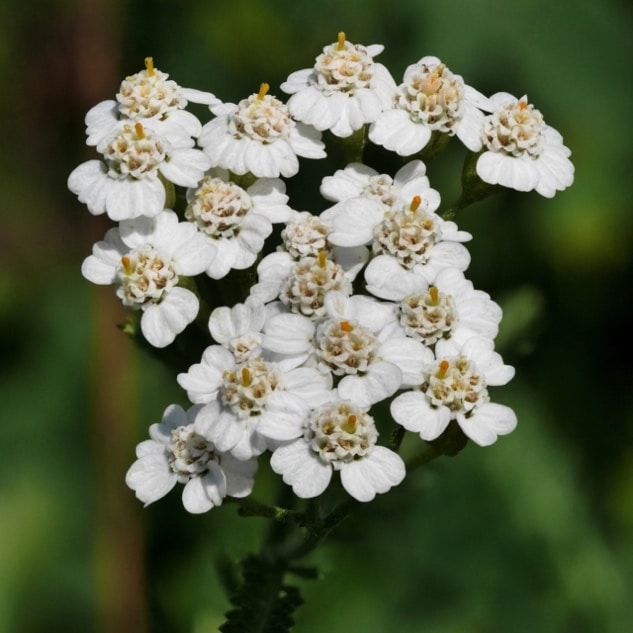
Achillea millefolium, more commonly known as yarrow, is a flowering plant that has been valued for its medicinal and spiritual properties for thousands of years. From Neanderthal times to modern clinical studies, this resilient herb has played a vital role in natural healing traditions. Its delicate, fern-like leaves and clusters of white to pink flowers may appear simple, yet within them lies a powerhouse of therapeutic potential.
Read on, and discover why Achillea millefolium remains one of the most celebrated herbs in natural medicine.
Traditional and Historical Use of Yarrow
Archaeological evidence reveals Yarrow was used as far back as 60,000 years ago by Neanderthals, as traces were found in their dentition. Ancient Greek mythology connects the herb to Achilles, who is said to have used it to stop bleeding on the battlefields of Troy (this connection gives the plant its Latin name Achillea). And among the Navajo people, yarrow was considered one of the “sacred life medicines,” used for treating toothaches and for wound poultices. Today, aside from its medicinal uses, yarrow is often used as a dried herb in cooking, valued for its sweet yet slightly bitter taste.
Parts of Yarrow Used in Herbal Medicine
Herbalists primarily use the aerial parts of the yarrow plant. These include the stems, leaves, and flowers harvested when the plant is in full bloom. Rich in essential oils, flavonoids, and tannins, these parts contribute to the herb’s remarkable healing properties.
Digestive Health Benefits
Yarrow is a great Bitter, helping to stimulate digestive actions and optimize functioning of the gastrointestinal tract. It also acts as a Carminative, relaxing the digestive muscles and helping with motility. Good for
- Indigestion
- Bloating
- Colic
- Irritable Bowel Syndrome (IBS)
While bitters generally cool a ‘hot, irritated system,’ carminatives bring warmth to a cold, sub-functional one. Yarrow shines here – not many plants have the ability to do both!
Circulatory and Vascular Health Benefits
Yarrow acts as a peripheral circulatory stimulant, dilating blood vessels and helping to reduce blood pressure. Peripheral stimulants are also good for partial vascular blockages, helping to increase blood flow to hands and feet.
Its vasodilator activity also makes it an excellent diaphoretic. Taken once the fever begins to break, Yarrow will vasodilate the peripheries, bringing more blood to the surface and helping to return the body to a normal temperature. Use during
- Colds and flu
- Upper respiratory tract infections (URTI)
- Any infectious state
Additionally, Yarrow’s astringent properties (from the tannins) help to tone blood vessels, making it beneficial for conditions such as:
- Varicose veins
- Hemorrhoids
- Organ prolapse
Antibacterial and Urinary Benefits
Yarrow also acts as a natural antibacterial agent. It is particularly helpful as a urinary antiseptic and treatment for mild cystitis. This makes it a good herb to put in a formula for supporting kidney and bladder health.
Anti-inflammatory and Pain Relief Properties
Yarrow controls inflammation by minimizing the release of pro-inflammatory mediators, and optimizing the release of anti-inflammatory ones. This helps clear the site of irritants, minimizing pain. It works internally and topically for most inflammatory conditions, such as
- Inflammatory Bowel Syndrome (IBS)
- Skin issues – bites, stings, cuts
- Oral inflammation and sores
- Gastritis
Yarrow for Bleeding Issues
While Yarrow is one of the most versatile plant remedies, it is renowned for its ability to stop bleeding. Famously known as “soldier’s woundwort,” for centuries it has been applied topically or taken internally to manage:
- Nosebleeds
- Wounds and cuts
- Post-partum bleeding
- Heavy menstrual periods
It can be used as a tea for internal bleeding, or applied directly to a bleeding wound as poultice or wash.
Neurological and Cognitive Support
Modern studies highlight yarrow’s potential role in protecting the brain and nervous system; More studies are needed, but here are some areas where it is thought Yarrow might be helpful.
- Multiple Sclerosis (MS): Research suggests yarrow slows demyelination and axonal loss, helping delay progression of the disease.
- Alzheimer’s Disease: Yarrow contains constituents which appear to inhibit neuronal death, improve memory function, and slow cognitive decline.
- Stroke Recovery: The herb seems to minimize the size of the affected area, thereby reducing deficits; as well, it lowers the overall risk of stroke.
- Epilepsy: It has been shown to have anticonvulsant properties; this may help in reducing both the severity and duration of seizures.
- Anxiety: Preliminary studies suggest yarrow may reduce anxiety and promote calmness.
Methods of Preparation
Yarrow can be taken orally in a tea formula or as a tincture, or in topical form (poultices, salves or washes) for skin irritations.
Safety, Side Effects, and Toxicity
While yarrow offers many health benefits, every medicinal – whether a pharmaceutical or a plant – has potential safety issues.
- Pregnancy: Use with professional supervision, as it may stimulate the uterus.
- Blood Thinners: There is a risk of bleeding if taking Yarrow while on anticoagulant medications such as Aspirin, Plavix, Apixaban or Warfarin
- Lithium: Those taking Lithium for bipolar disorder may want to check with their physician – Yarrow may interfere with clearance
- Allergies: Those sensitive to plants in the daisy family (Asteraceae) may have an allergic reaction to Yarrow.
Always ensure your herbalist and doctor have a complete list of medications, herbals, and supplements that you take.
Conclusion
Achillea millefolium, or yarrow, is far more than a common wildflower. Its diverse properties make it one of the most valuable herbs in natural medicine. From the battlefields of Troy to today’s herbal apothecaries, yarrow demonstrates the enduring wisdom of nature and the healing power of plants.



0 Comments