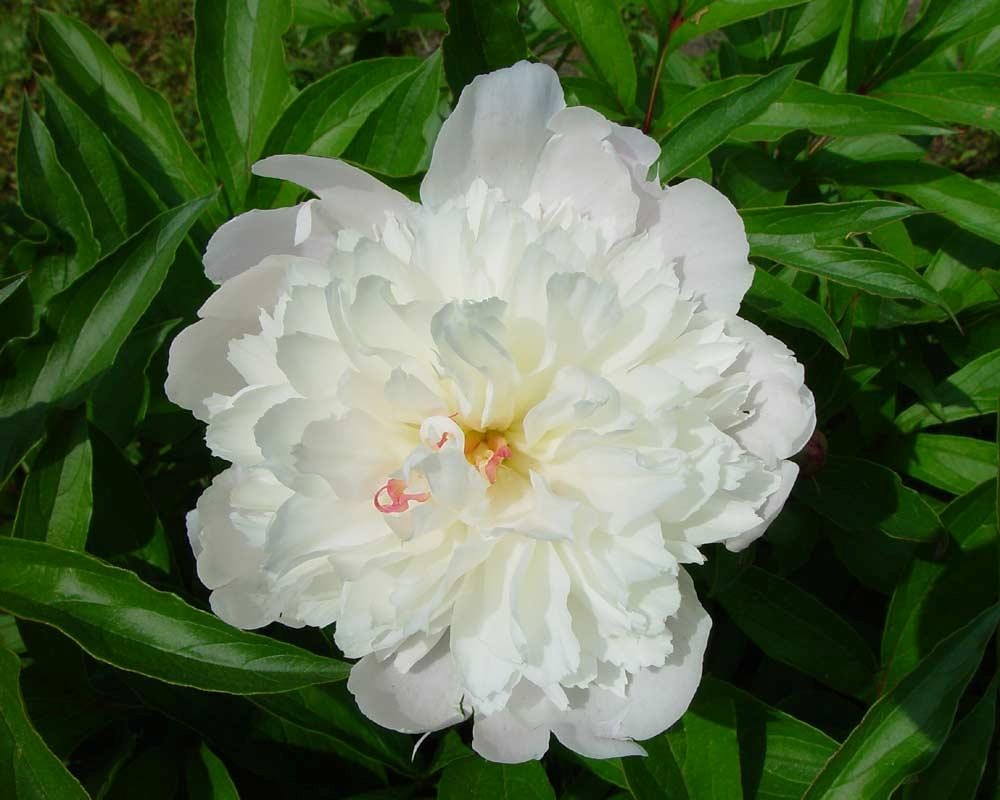

PARTS USED:
- Root
USES:
Anaphrodisiac in men
Antioxidant – particularly for liver, renal, and neuro
Anticoagulant
Abortifacient
Anti-allergy – Reduces itchiness and mass cell
degranulation in topical allergies
Alterative
Antispasmodic
- Whooping cough
- Asthma
- Acute or chronic cough
- GI spasms
- Muscle spasm
- Headaches
Anticonvulsant – its original use was to prevent epilepsy events
Anti-inflammatory
- Autoimmune conditions
- Rheumatoid arthritis
- Psoriasis
- oral lichen planus
- Sjögren disease
- Chronic liver or kidney inflammation
Cardiovascular
- Hypotensive
- Supports cardiac cycle/blood flow
- Peony has evidence for the treatment of pulmonary heart disease
- Reduces cardiac muscle spasms (Angina)
Cognitive improvement (human studies)
Female Reproductive
- Dysmenorrhea
- Menorrhagia
- PCOS
- Hormone balancing
- Endometriosis
- Fibroids
- Menopause (similar effects to HRT for reducing hot flashes and vaginal dryness)
- Hormone-related acne
- Used during birth to relax the mom, facilitate labour, and expel the placenta
Febrifuge
GI – improves the gut biome
Hepatoprotective
- Lowers bilirubin levels
- Acute hepatitis
Immune System
- Effective against RSV if given pre-vaccination, but dose dependent (in vivo studies)
- Cytokine reduction
Nervine sedative and tonic
- Increases serotonin, reducing anxiety and depression
- Helps reduce stress levels
- Restores balance and helps people move through change
Topical antiseptic
PREPARATION:
- Infusion
- Decoction
- Tinctur
SIDE EFFECTS AND TOXICITY:
- Contraindicated with anticoagulant or antiplatelet drugs
- Avoid use in individuals with bleeding disorders
- May not combine well with antibiotics – Paeonia needs healthy gut flora to be activated (and is known as a natural prebiotic, encouraging healthy bacterial growth)
MISCELLANEOUS:
- Galen recommended peony root tied around the necks of children as an effective remedy for “the falling sickness,” a common premodern phrase for epilepsy
- The name Paeonia comes from a Greek legend in which a medical student known as Paeon healed the wound of Pluto. Pluto later turned Paeon into the healing plant thereby saving him from death.
- Paeonia lactiflora was recorded in the “Prescriptions for Fifty-two Diseases” from the Han Dynasty (BCE 206-8)