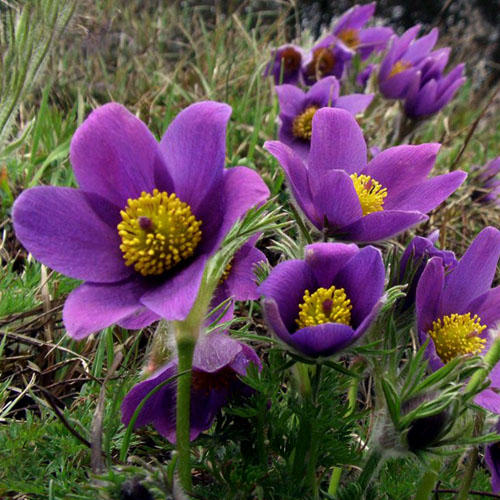

PARTS USED:
- Aerial parts; root is used in Eastern medicine
USES:
Analgesic/Anti-inflammatory
- Chronic pain and inflammation
Diuretic
Nervous System
- Good for mental health problems that are related to emotional issues – weeping, despondent, etc.
- OCD (Studies)
- Rests an active mind
- After overstimulation
- Too many thoughts – slows the mental chatter
- Insomnia due to inability to slow the mind
- Good for those whose minds wander and find it difficult to focus
- Sedative properties
- Insomnia related to nervous exhaustion, nightmares/bad dreams
- Headaches from a variety of causes
- Hormonal
- Tension, frayed nerves, stress
- URTI
- Unknown causes
- Neuralgia – improves cerebral nerve function
- Acute anxiety, hysteria, panic attacks (1-5 drops every 15 minutes)
- Unnatural fears
- Depression
- Related to hormone imbalances
- Melancholy
- Negative moods – those who struggle to see the positive
- Those who weep and are sad without knowing the cause
- Overindulgence – food, drugs, alcohol, sex, gambling, work
CV
- Positive inotrope of the heart
- Slows rapid, irregular pulses (Atrial fibrillation, Atrial flutter, Sinus Dysrhythmias)
- Reduces venous congestion by improving bloodflow back to the heart
Respiratory
- URTI, including pseudomonas
- Asthma, bronchitis
- Expectorant
- Congestion or infection in the eyes, ears and/or throat – improves blood flow to the area, clearing congestion
- May consider it as part of a formula to address more serious eye conditions such as glaucoma and cataracts as well as for nervous eye tics – no evidence, however
GI
- Toothaches
- Stomach discomfort from overindulgence in fatty foods
- IBS – alternating constipation and diarrhea
- Large intestine health – colitis, acute or chronic inflammation, colon-based blood in stools (not hemorrhoids)
GU
- Dribbling urine with activity or
coughing
- Dysuria during pregnancy
MS
- Rheumatism
- Rheumatoid arthritis
- Muscle bruises
- Osteoarthritis
Integumentary
- Skin infections
Reproductive
- Significant analgesic and antispasmodic action on the uterus
- Emmenagogue
- Dysmenorrhea, amenorrhea, particularly those caused by anemia rather than mechanical issues
- Ovulation pain
- Helps with chilliness symptoms due to suppressed menstruation
- Leukorrhea
- Thick, milky or yellow discharge
- Pelvic pain
- Strengthens sympathetic innervation (the SNS is influential on the male and female reproductive organs)
- Can help improve the birthing process when there are sluggish or weak contractions
- PMS-A
- Male reproductive issues
- Epididymitis and orchitis – from Gonorrhea, mumps or other causes(larger doses warranted)
- Spermatorrhea
- Prostatorrhea
- Depressed hormone function
- Increases sexual power
- Said to lessen abnormal sexual excitement
- Helps deal with mental anguish and guilt over sexual issues – sexual abuse, abnormal sexual activity or fantasy
Immune
- Has antifungal, antibacterial, anti-yeast, and antimalarial properties
- Febrifuge
- Active against the fungus Candida glabrata
- Found in GI system and skin
- Some vaginal yeast infections are Candida g
- Antibacterial for skin/boils, earache
- The roots are good for bacterial and amoebic GI problems
- Treatment of conjunctivitis and other eye infections
Oncology
- Inhibits angiogenesis
- Cytotoxic and/or apoptotic against
- cervical cancer
- Pancreatic cancer cells
- Myelogenous leukemia
- Lung cancers
- Hepatocellular carcinoma
- Inhibits cell proliferation
PREPARATION:
- Infusion
- Decoction – If using the root
- Tincture
* Notes:
- This is a low-dose plant! Use drop-doses, particularly for the emotional/anxiety applications
- Fresh Pulsatilla is toxic
- For panic attacks use 1-5 drops every 15 min until abated
SIDE EFFECTS AND TOXICITY:
- Fresh Pulsatilla is poisonous and should not be ingested! Caution while even handling the fresh plant, as it can cause severe irritation of the skin and mucosa
- In high doses Pulsatilla can lead to renal and urinary dysfunction, and/or sensory and motor paralysis
- Toxic doses can lead to convulsions and coma
- Do not use with a slow heart rate
- Do not use during pregnancy unless to induce labour – abortifacient properties
- Avoid during breastfeeding
- Can depress heart function, cause chest tightness and lung congestion
- In high doses it is a gastric irritant and emetic
MISCELLANEOUS:
- Low dose herb, often 1-5 drops is enough
- Can be used homeopathically in cases of sexual abuse
- The dried plant is much weaker
- Pulsatilla was a highly esteemed medicine used by the eclectic physicians of the late 1800s/early 1900s, particularly for the female reproductive system
- It remains included in the British Pharmacopoeia
- The Blackfoot Indians used it to induce abortions and aid in childbirth
- Pulsatilla is used as a homeopathic remedy for cramping and menstrual disorders