
PARTS USED:
- Root
USES:
Note: there has been a lot of studies done on Rhodiola around the world – approximately 50 animal and 25 human studies – but many were poorly undertaken. Results have been unreliable and non-replicatable in many cases, and that could have something to do dosages. Additionally, many studies were carried out in combination with other botanicals or medications. Having said that, there is history here that backs up certain claims, and if Rhodiola doesn’t seem to be working, you might try upping the dose, within reason.
Also note that Rhodiola seems to work quicker than other adaptogens – users often notice results in as early as 3 days. It also works quickly once ingested, so it can be used as an instant remedy, unless most other botanicals.
Neuro – dose-dependent; lower doses for cognitive enhancement and higher doses for sedation/anxiety
- Adaptogen
- Helps a person adapt to stress and other nervous system challenges
- Helps reduce fatigue
- Helps with restorative sleep
- Works differently than the ginsengs – if a client isn’t responding to ginseng, try Rhodiola
- Anti-inflammatory
- Neuroprotective
- Toxins
- Cold
- Depression
- Seasonal Affective Disorder
- Less sunlight due to polar
climates
- Anxiolytic
- General Anxiety Disorder
- Anxiety related to stress
- Can be used as a rescue remedy
if already taking it
- Improves mood
- ADHD
- Stimulates and enhances the function of
neurotransmitters in the CNS
- Improves cortical function
- Cognition
- Learning
- Retention and memory (long and
short-term)
- Reduces exam stress
- Menopause-related brain fog
- Helps night-shift workers, on-call workers with cognition and problem-solving
- Supports the functions of the basal ganglia (coordinated movement)
- Parkinson’s
- Bradykinesia
- Stiffness
- Reduces headache pain
- Binge-eating disorder
Cardiovascular
- Reduces oxidative stress on the myocardium
- ACE-inhibition properties – reduces systemic and pulmonary hypertension
- Stops bleeding via vasoconstriction and mild coagulant effects
- Cardio- and vasculoprotective during times of increased energetic stress (shoveling, physical activity)
- Both the sympathetic and parasympathetic inputs to the heart were enhanced
- Increases inotropy and chronotropy
- Helps the heart adapt to increased exercise
- May protect endothelial cells for hyperglycemic insult – possibly good at protecting from microvasculature injury
- Prevention of stress-induced cardiac damage (decreases myocardial catecholamines)
- Prevents reperfusion dysrhythmias
- Improves anemia
- Improves resistance of endothelial cells to damage in diabetics (prevents atherosclerosis and CV disease)
- Positive effect on treating ischemic heart disease (alone or in conjunction with meds)
- Prevents altitude-related Pulmonary Hypertension
Respiratory
- Altitude sickness, pre-treatment or acute treatment in combination with oxygen
- May improve lung capacity and function (gas exchange) for COPD, alongside medical management, including during COPD exacerbation
GI
- Mouth ulcers
- Diarrhea (astringent properties)
MS
- Increases stamina and endurance of athletes
- Reduction in pain and muscle damage after training
- Reduces oxidative stress to muscles
- Improved ‘explosive’ power (ie lifting, sprints)
- Helps the body cope with cold temperatures
- Increases mitochondrial mass
Integumentary
- Helps to tighten and tone tissues – wounds, etc.
Endocrine
- Enhances thyroid function without causing hyperthyroidism
- Improves thymus gland function and protection for age-related deterioration
- Improves adrenal function
Reproductive
- Enhances sexual potency and endurance
- May help reduce sexual dysfunction in women and men
Immune/Antioxidant
- Inhibits various inflammatory pathways
- Increases CD3, CD4 and T-cells
- Increases production of cytokines
- Reduces spleen and thymus lymphocyte apoptosis, resulting in longer survival
- Promotes production of immunoglobulins
- Helps with vaccine delivery, efficacy, and tolerance
- Helps in recovery from illness
Anti-aging
- DNA repair (note: needs more research; might be dependent on dietary intake, ie protein to carb ratios or sugar intake)
Anti-cancer – Salidroside is the active constituent against cancers
- Mechanism of action depends on the type of cancer
- May help reduce chemo-related oral ulcers
- May help to more quickly recover the WBC count
- May help prevent abnormal angiogenesis, which can be abnormal in cancer
- Inhibits cell proliferation
- Induces apoptosis
- Reduces metastases
- Reduces chemo-induced toxicity
- Known to be effective against
- Colon
- Bladder
- Kidney
- Lung
- Gastric
- Glioma
- Sarcoma
- Prostate
- Liver
- Skin
- Leukemia
- Breast
PREPARATION:
- Decoction
- Tincture
* Notes:
- Fresh root is recommended – better results with fewer side effects
- Some herbalists recommend using smaller doses for cognitive enhancement, and larger doses for sedative effects
SIDE EFFECTS AND TOXICITY:
- Known interactions with Losartan
- Enhances effects of other stimulants
- Use with caution in bipolar disorder – avoid in manic states
- Further exacerbates constipation
- Do not give to clients on MAO Inhibitors
- Dry mouth or excessive saliva production
- Headaches, insomnia
Rhodiola can be problematic for people who already have toned tissues and/or signs of dryness. In this case, constipation, dry sinuses, and headaches can be common adverse side effects. In some cases, people have reported feeling anxious or uncomfortably hyperfocused.
MISCELLANEOUS:
- Source your Rhodiola carefully from a reputable supplier (issues with poor quality of active ingredients)
- The common name Roseroot refers to its fragrance and is derived from the Greek ‘rhodon,’ meaning rose
- Chinese emperors traded with Russia for the plant, using it in their quest for a long life
- Siberians and Georgians used it to prevent illness during the winter
- Vikings used it for increased strength
- Used in Northern Europe to improve work performance, reduce fatigue, seasonal depression, and altitude sickness
- Registered in Russia and Sweden as an anti-fatigue agent and for some mental health conditions
- Used in Norway as a cure for scurvy in cattle and to flavour beer; topically to promote hair growth and reduce dandruff
- Dioscorides first recorded medicinal use for the plant in 77 CE
- In Ayurvedic medicine it is used to provide strength and support to the brain
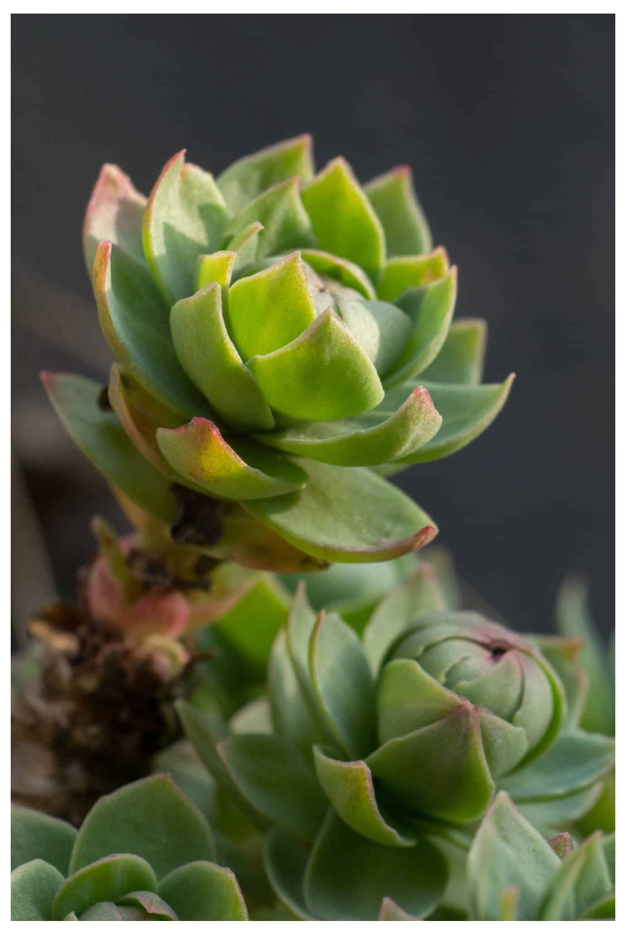
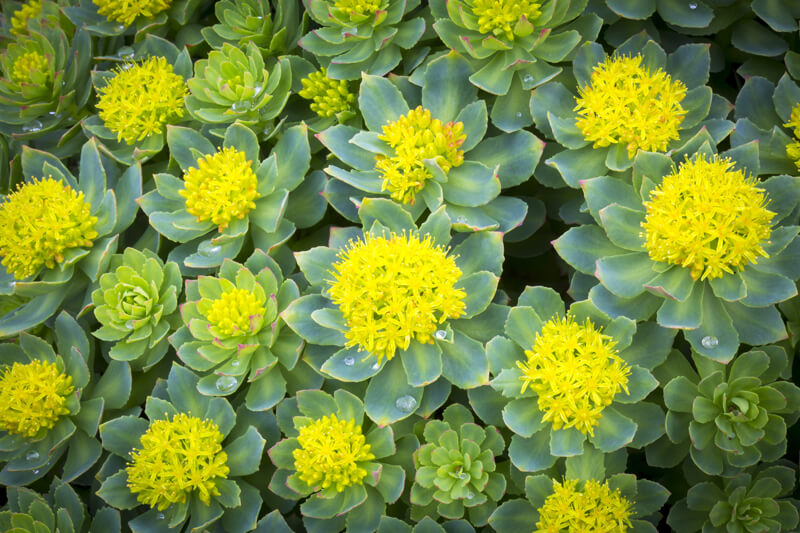
- A hardy succulent with the ability to withstand high altitudes and harsh climates, it helps people facing the same conditions
- Included in the Russian pharmacopoeia since 1969
- More than 200 species of Rhodiola, the one used most for medicine is Rhodiola rosea
- Planted on turf-based roofs to help prevent fire and to prevent evil forces and bad luck
- Is a ‘dioecious’ plant, meaning a plant is either male or female and, in order to reproduce, both plants must be grown together
- In Georgia and Siberia, a bouquet of roots is still given to couples prior to marriage, to enhance fertility and assure the birth of healthy children