
PARTS USED:
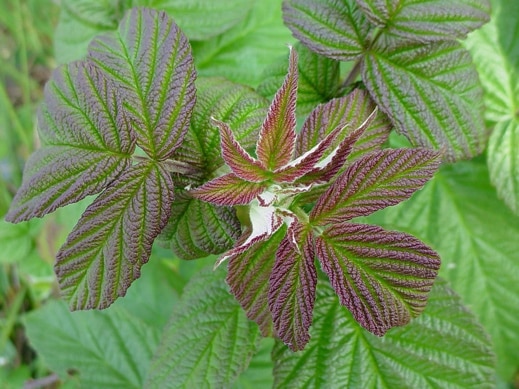
- Leaf, Fruit
USES:
Astringent
- Diarrhea
- Leukorrhea
- Bleeding – trauma, post-delivery, bleeding gums
- Varicose veins
- Helps tone the bladder (has been helpful in bedwetting; use 1 hour before bed)
Pregnancy
- Strengthens the uterus to prevent miscarriage
- Helps prevent morning sickness
- Lowers rates of pre-term and post-term births
- Strengthens contractions (magnesium, calcium content)
Less medical interventions needed (forceps, vacuum delivery)
- Used by many midwives to stimulate labour although there is no evidence it can do this
- Doesn’t shorten labour
- May protect against post-partum depression
- Breastmilk is more nutrient dense due to the vitamins and minerals
- Safe to use in last three months of pregnancy
Female reproductive
- “Use from the time you start menstruating until the time you stop”
- Regulates cycle in young females
- Dysmenorrhea
Antimicrobial – particularly Helicobacter pylori, E coli and leaves/shoots possibly against Candida
Anti-cancer – specific for metastatic lung cancer (now at clinical trials stage!)
Potassium-sparing diuretic
GI relaxant
Renal antilithic (good for veterinary use here, as well)
Gargle for mouthwash and throat irritations
Tincture has a relaxing effect on intestines
PREPARATION:
- Tea
- Tincture
- For most uses, start at lowest dose possible
SIDE EFFECTS AND TOXICITY:
- Avoid rubus if you have any hormone-sensitive conditions (breast or reproductive cancers, endometriosis)
- Contraindicated in early stages of pregnancy or in later stages for those with a history of premature contractions/premature labour
MISCELLANEOUS:
- If taking red raspberry in the 3 months prior to pregnancy you can still keep taking it – this is related to the astringent…if you start to tonify the uterus, if the woman is not used to it, it could stimulate contractions, but if they’ve already toned the uterus by using it prior, she can continue to take it