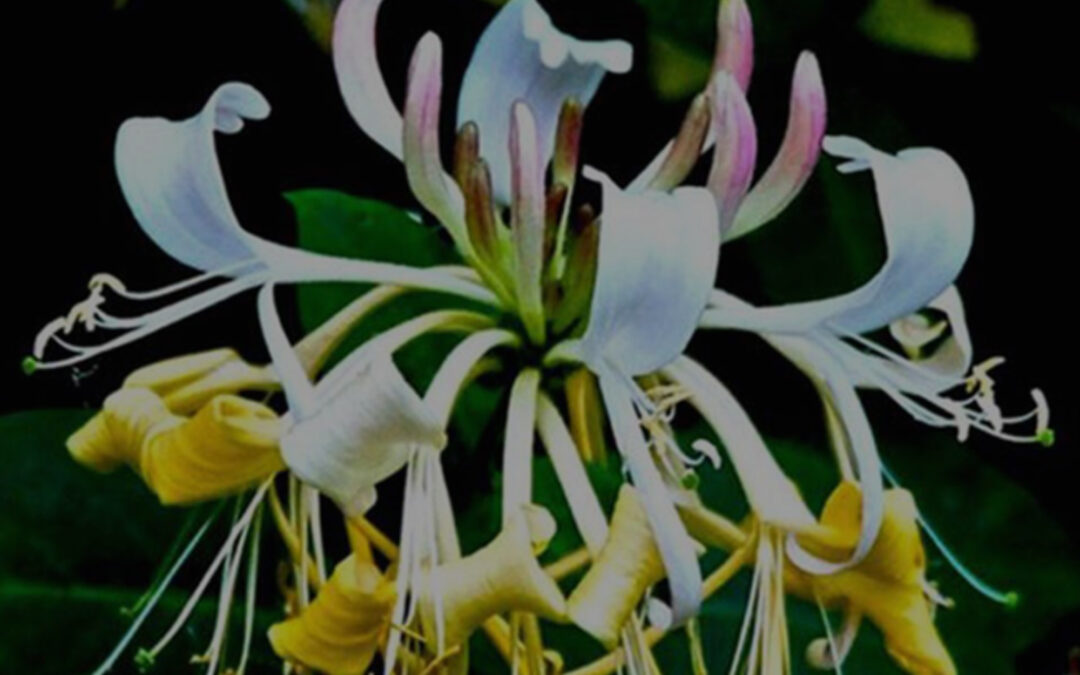
PARTS USED: Flowers (unopened – higher antibacterial content) Leaves Stems USES: This is a herb that is typically prescribed in combination with other herbs; to that effect, most research into japonica by itself is limited to pre-clinical studies (in vitro and animal)...
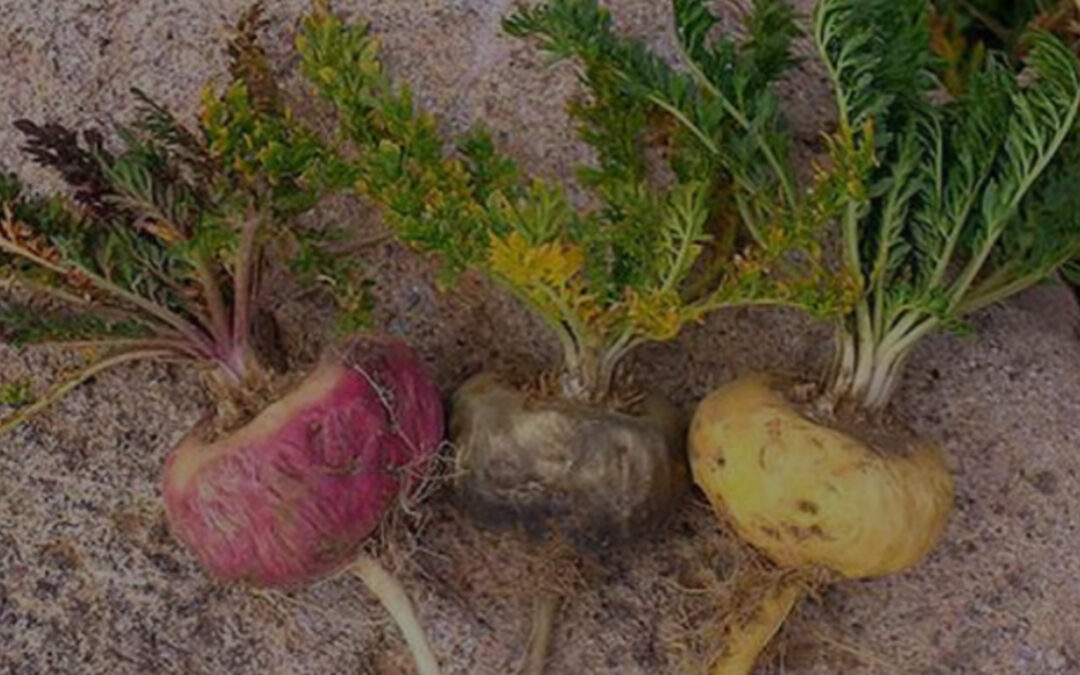
PARTS USED: Root USES: Three varieties – red, yellow (sometimes called white; sweeter), and black, each boasting slightly different health benefits. Yellow is the one used most for daily use. Red is considered feminine and used to nourish and nurture, as well as for...
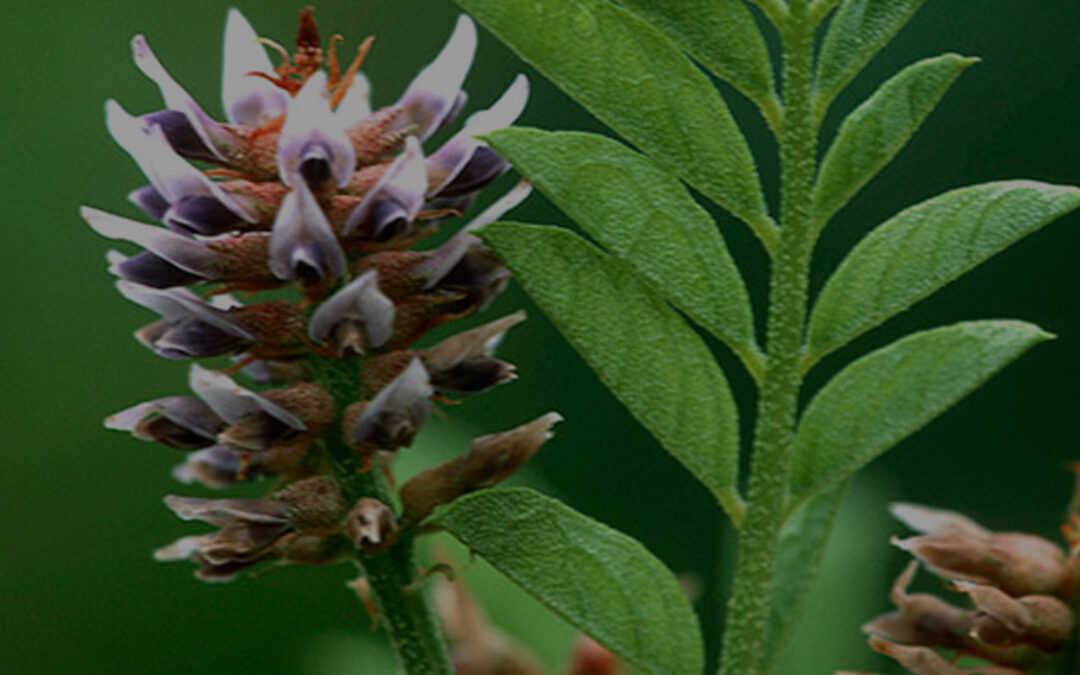
PARTS USED: Root USES: Liver: Support and healing Inhibits injury from many toxins Good for chronic hepatitis (B and C) Cirrhosis Reduces risk of hepatocellular carcinoma after contracting Hepatitis C For those with NASH (non-alcoholic fatty liver disease), clinical...
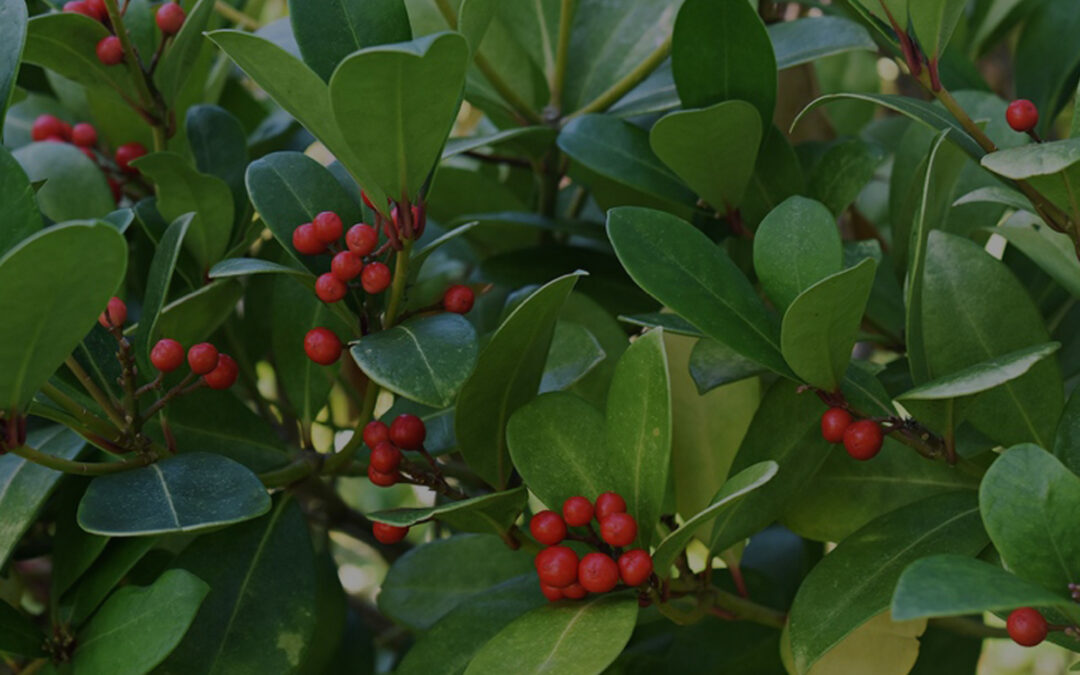
PARTS USED: Leaves, to extract the essential oil Stems Fruit USES: Anti-inflammatory Especially for musculoskeletal Back issues Sprains Neuro Sciatica CV Inhibits platelet aggregation (thins blood) Respiratory Chronic mucous discharge Phlegm Sinusitis Post-nasal drip...
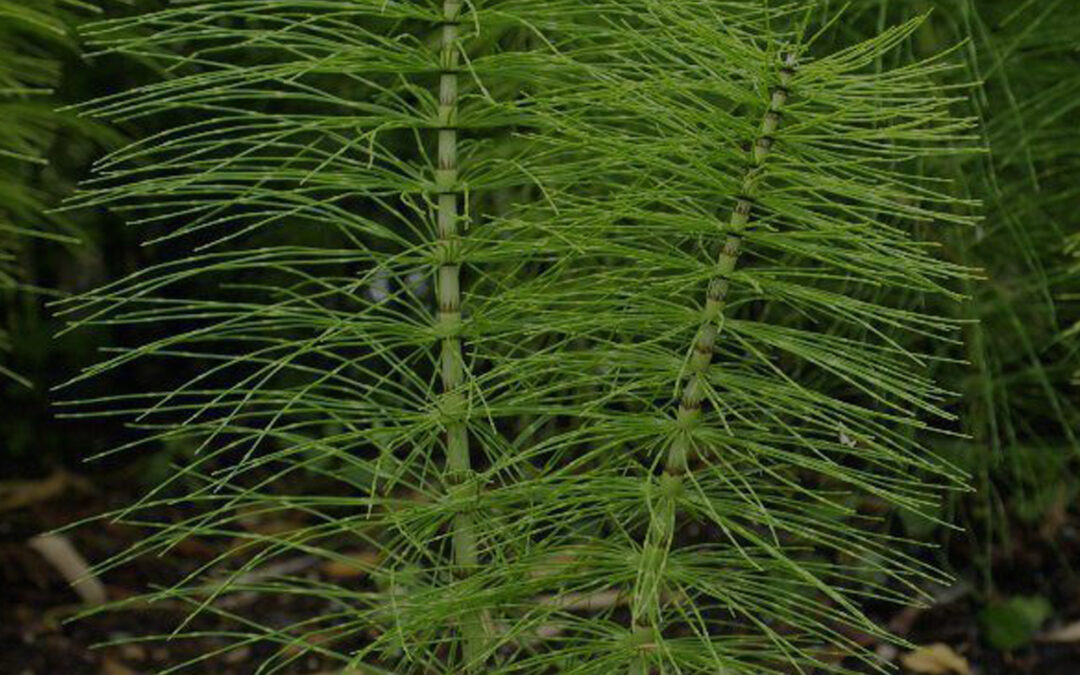
PARTS USED: Dried Stems USES: This herb is abundant in silica, which aids the body in healing and helps restore damaged tissue back to its healthy state, by removing uric acid, lactates and toxins from the extracellular matrix. Consuming Horsetail as a natural source...