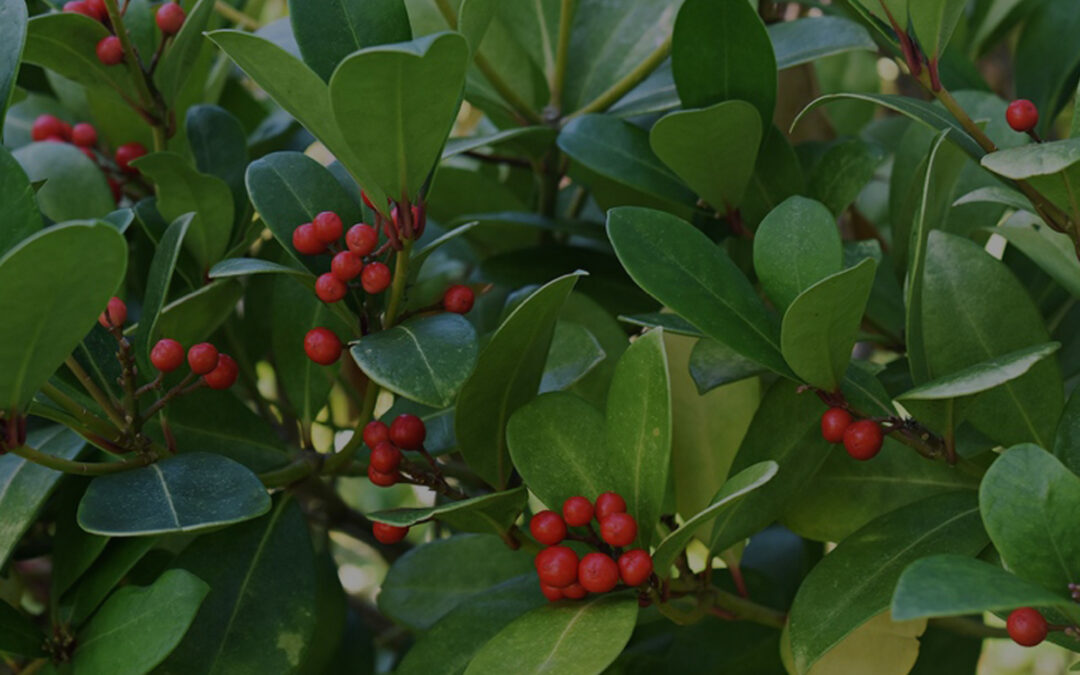
PARTS USED: Leaves, to extract the essential oil Stems Fruit USES: Anti-inflammatory Especially for musculoskeletal Back issues Sprains Neuro Sciatica CV Inhibits platelet aggregation (thins blood) Respiratory Chronic mucous discharge Phlegm Sinusitis Post-nasal drip...
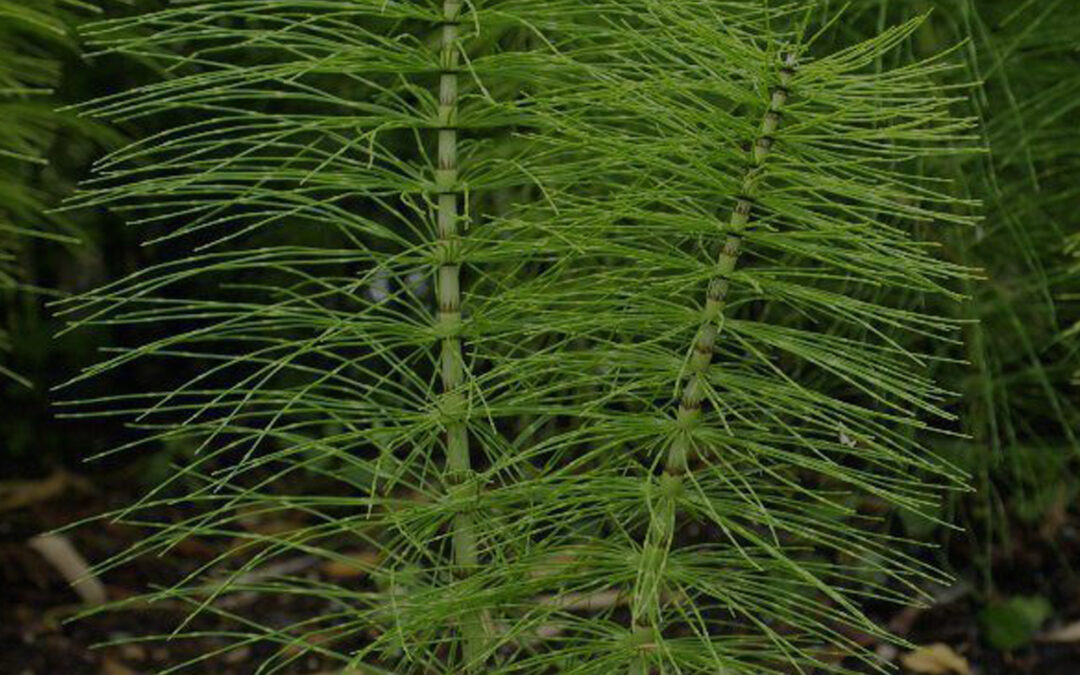
PARTS USED: Dried Stems USES: This herb is abundant in silica, which aids the body in healing and helps restore damaged tissue back to its healthy state, by removing uric acid, lactates and toxins from the extracellular matrix. Consuming Horsetail as a natural source...
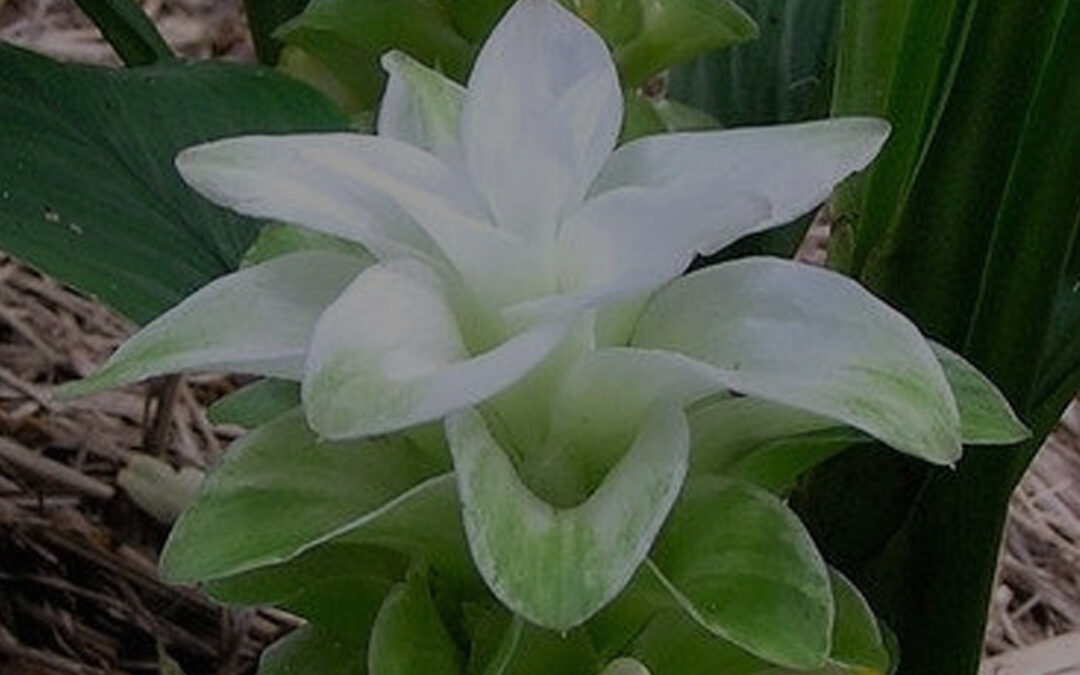
PARTS USED: Root, rhizome USES: GI Digestive stimulant – enhances the activities of digestive enzymes Gastric ulcers – treatment and prevention Carminative Bitter Dyspepsia GERD Flatulence IBS, colitis Helps in the breakdown of proteins Hepatoprotective Promotes...
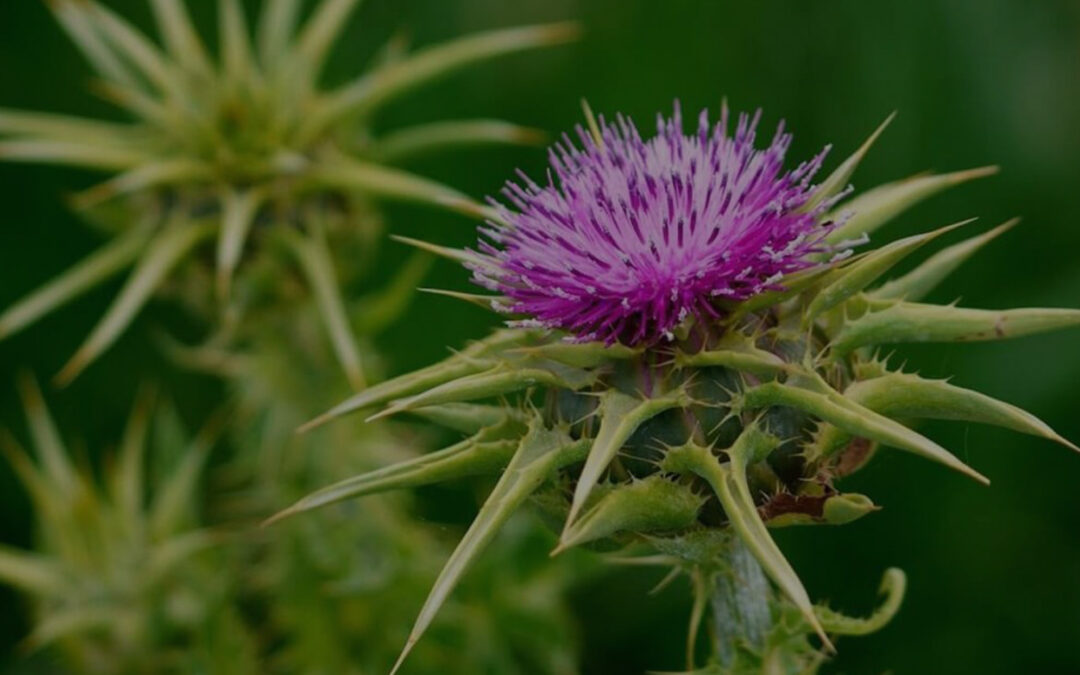
PARTS USED: Leaves Flowering tops USES: Frequently included in cleansing formulas Tonic in almost all systems Mineral chelation – high in minerals Anodyne – anti-nociceptive effects in various neural signaling and modulatory pathways, including opioid pathways...
PARTS USED: Fruiting body USES: Anti-inflammatory Neuro May help the body cope better with acute or chronic stress Calming Restores natural metabolic function during prolonged stress Good for convalescence Addiction recovery Neuroprotective Improved cognition...
PARTS USED: Leaves Roots (for emetic/purgative action) Flowers (most active part; this is the part usually used for medicine) Note: The red berries are poisonous USES: Convallaria is one of those plants that is used medicinally (‘Use this herb for that problem’), as...